


ON 23 June 2016, the United Kingdom voted to leave the European Union, triggering Brexit and one of the most dramatic political upheavals in modern British history.
Ten years and six prime ministers later, the country remains trapped in a seemingly endless cycle of political turbulence.
On Monday morning, Sir Keir Starmer finally waved the white flag and announced his resignation from Downing Street just two years after entering Number 10 with a landslide parliamentary majority.
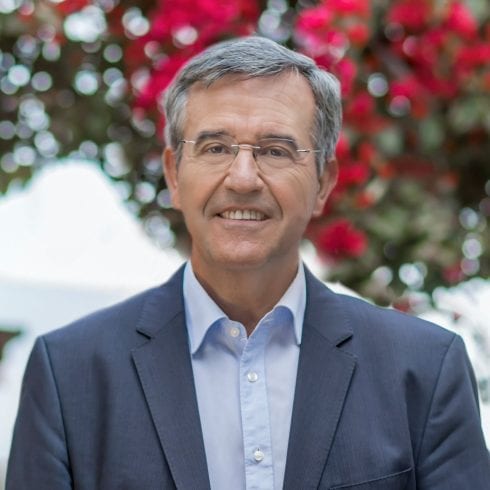
Into that vacuum will step – barring an extraordinary twist – Andy Burnham, the self-styled ‘King of the North’.
A former cabinet minister under Gordon Brown, Burnham has spent nine years away from the Westminster bubble as the mayor of Greater Manchester, building a political brand that has often appeared more popular than that of Labour itself.

His return to frontline politics was sealed last week when he comfortably won the Makerfield by-election with 54.8 per cent of the vote, defying expectations and fending off a strong challenge from Reform UK.
That victory has transformed Burnham from an influential regional figure into Labour’s great hope of halting Nigel Farage’s momentum and restoring confidence in a party scarred by two years of infighting and plummeting poll numbers.
It also means that, barring something truly unforeseen, Burnham will become Britain’s next prime minister – potentially within weeks.
For British expats living in Spain and elsewhere across Europe, one question looms larger than most: ten years after Brexit, what will a Burnham premiership mean for Britain’s relationship with Brussels.
The answer, characteristically, is complicated.
One thing, however, is clear: Burnham has long slammed Brexit as a catastrophic mistake.
Speaking at the Labour Party conference last year, the former health secretary said he wanted to rejoin the bloc ‘in the long term’, arguing that the country’s future ultimately lay in rebuilding ties with Europe.
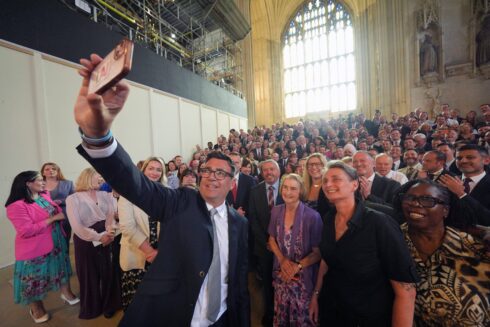
Allies later confirmed that he believed rejoining should remain an aspiration, even if it was not an immediate political objective.
Yet his tone shifted noticeably earlier this year.
Rather than reopening old wounds, Burnham argued that Britain would remain ‘stuck in a permanent rut’ if it continued to relitigate the Brexit debate, even while acknowledging that leaving the EU had brought significant challenges.
That about-turn was no accident.
Makefield voted Leave in 20116 and with Reform UK emerging as Labour’s principal challenger, Burnham opted to avoid a full-throated pro-EU pitch on the campaign trail.
So does that mean the prospect of rejoining is off the table? Not necessarily.
What appears far more likely is that Burnham will continue the gradual process of rebuilding ties with Brussels that began under Starmer.
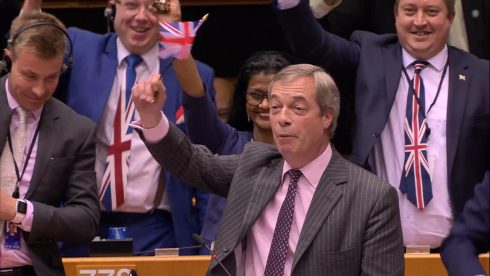
Under his premiership, Britain had been edging steadily back towards the EU’s orbit – striking deals on agrifood standards, carbon markets and electricity trading that tie the UK to EU rules in exchange for market access.
The bigger question is whether Burnham intends to maintain the red lines that defined Starmer’s approach to Brussels: no return to the single market, no customs union and no restoration of freedom of movement.
So far, he has given little indication that he plans to tear those commitments up – although the first clues could emerge very quickly.
A high level UK-EU summit originally scheduled for July 22 has already been postponed following Starmer’s resignation, with European officials indicating they would prefer to deal directly with the incoming prime minister before making any major decisions.
That means Burnham’s first major appearance on the international stage may also provide the clearest indication yet of how he intends to navigate Britain’s future relationship with Europe.
Click here to read more Spain News from The Olive Press.




Britain voted for Brexit to regain sovereignty. To regain control of decisions that applied to the people of the UK. We had enough of the EU making decisions for us that were not always in our best interests. We fought two world wars for independence so surely the people of the EU can understand this very basic concept. The EU is only part of Europe, which people seem to forget. There are other European countries who like us work very well with the EU in the interests of Europe as a whole. Closer ties yes when it is in the interest of the UK but stop trying to undermine a democratic decision made by the majority of UK citizens because that is in no one’s interest.
FFS we did actually vote AGAINST this…