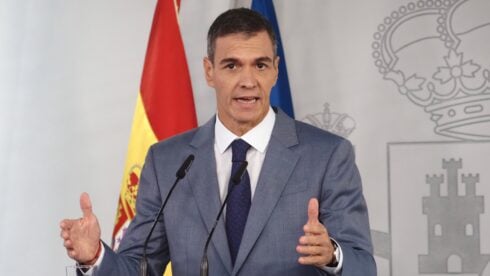
Christofer Fogelberg of Costa del Sol real estate agency Start Group explains the global changes that are making Malaga the new Miami
FOR years, Dubai has been the king of global luxury real estate.
Tax-free wealth, futuristic skylines, and an unstoppable flow of international capital turned the Gulf emirate into the world’s most hyper-active property market.
But global wealth is nervous by nature. As regional tensions in the Middle East simmer into 2026, the ‘Dubai Dream’ is facing a sophisticated challenger.
Increasingly, international investors are pivoting their gaze toward the Mediterranean.
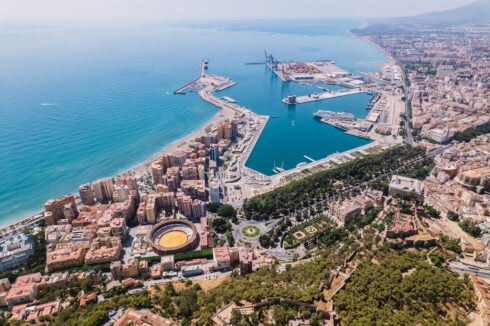
From the high-stakes boardrooms of Málaga TechPark to the ultra-exclusive enclosures of La Zagaleta, the Costa del Sol is rebranding itself. It is no longer just a ‘safe haven’; it is positioning itself as Europe’s answer to Miami.
Spend a week in Marbella this summer and the comparison feels less like hyperbole and more like a roadmap. The ‘Costa del Retired’ is dead; in its place is a playground for the global C-suite.
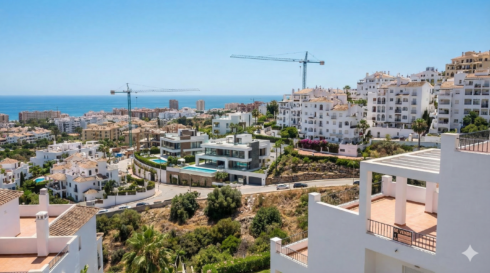
The evidence is everywhere. Branded residences – a concept perfected in Dubai and Miami – are now the coast’s hottest commodity.
Projects bearing the names of Dolce & Gabbana, Lamborghini, and Karl Lagerfeld are transforming the skyline of the Golden Mile and beyond.

Meanwhile, beach clubs are comfortably charging Dubai prices, and Michelin-starred dining has become the baseline, not the exception.
The timing is not accidental. The extraordinary property boom Dubai enjoyed post-pandemic was fueled by ‘instability capital’.
However, the shifting geopolitical equation in the Gulf has reminded the ultra-wealthy that perception matters as much as reality.
When uncertainty rises, capital moves toward jurisdictions that are politically predictable.
That is where Andalucia – and its newly aggressive tax posture – wins.

While Spain’s national ‘Solidarity Tax’ remains a talking point, the Andalucian government’s 100% exemption on Wealth Tax has sent a clear flare into the atmosphere: this region wants your capital.
For investors, the Costa del Sol now offers the ‘Dubai lifestyle’ but wrapped in the institutional security of the European Union and a mature legal system.
The transformation is bolstered by a radical shift in connectivity.
Málaga Airport has evolved into a global gateway, with United Airlines now operating daily direct flights to New York, bridging the gap for North American investors who see Málaga as their ‘Mediterranean Miami’.
Malaga city itself has shed its image as a mere transit point. With the expansion of the Node I innovation centre at the Parque Tecnológico, the city is now a genuine deep-tech hub, attracting giants in cybersecurity and AI.
Much like Miami became the gateway between North and Latin America, the Costa del Sol is now the bridge between Europe, the Middle East, and the Americas.

The Price of Progress
Of course, this rapid transformation brings its own set of challenges. The sheer speed of ‘Miami-fication’ has intensified local concerns over housing affordability and put unprecedented pressure on regional infrastructure.
As the coast scales up to meet the demands of the global 1%, the debate over how to integrate this new wealth with the existing local fabric continues to sharpen.
But from a market perspective, the trajectory is undeniable. In an unstable 2026, wealthy investors are prioritizing security over speculation. They want locations that combine five-star glamour with institutional stability.
Dubai may still hold the crown for scale, but the Costa del Sol is selling something far more valuable in the current climate: a ‘Plan B’ that feels like a ‘Plan A’.
********
Contact banner with this link –
Click here to read more Sponsored News from The Olive Press.