
A BID to build the world’s first commercial octopus farm in the Canary Islands has been scrapped over fears it would pollute a nearby passenger terminal with foul odours.
Nueva Pescanova, the Galician seafood group that operates in 17 countries, told Gran Canaria’s main port authority yesterday that it was withdrawing its application.
The €50 million plant would have covered more than 50,000 sq m of the port’s La Esfinge dock, an industrial working area of the harbour – roughly the size of seven football pitches.
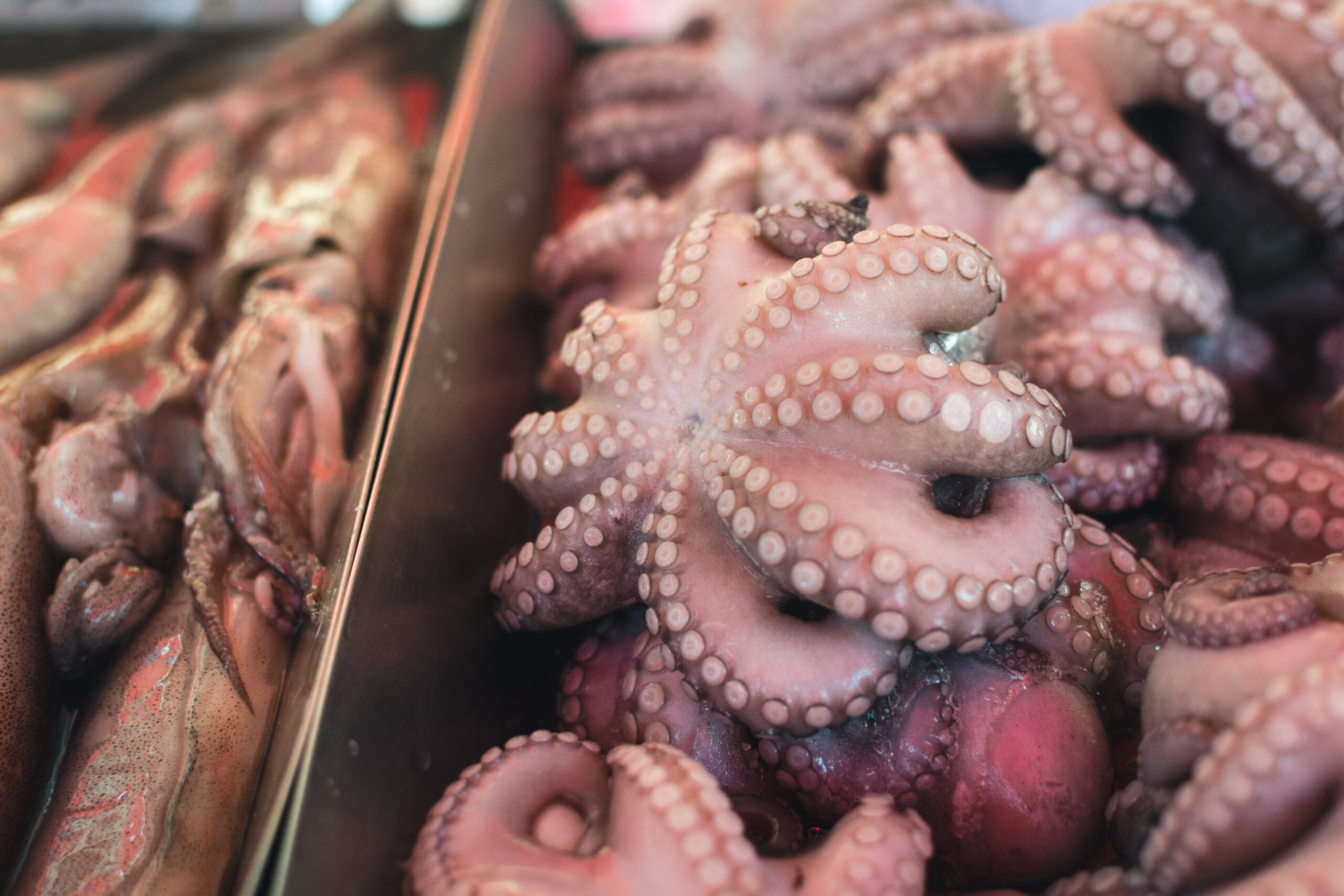
The farm was designed to produce 3,000 tonnes of octopus a year, equivalent to more than 10% of Spain’s entire national output and, according to blueprints for the project leaked to the BBC, around 1 million animals annually.
READ MORE: Claims octopuses are leaving Spanish waters for UK shores are a ‘snowball of misinformation’
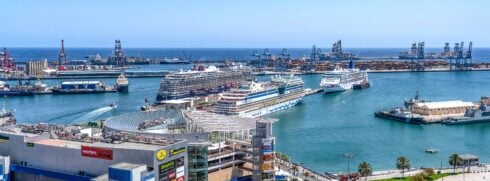
But the plan was killed by an environmental review that found the site risked fouling the air around a passenger terminal and degrading the port’s water quality with organic waste.
Nueva Pescanova said the decision reflected ‘business and regulatory considerations only’, and did not concede that the project was unviable on environmental or moral grounds.
The company, however, has left the door open to alternative sites or designs in future.
Campaigners were quick to rejoice at the announcement.
Elena Lara, senior research and policy advisor at Compassion in World Farming (CIWF), said the withdrawal marked the end of a years-long fight.
“After years of pressure, this is a huge victory for octopuses, our oceans and everyone who joined us in campaigning to stop the world’s first octopus farm,” she said.
“Octopuses are intelligent, wild animals, not products to be caged in factory farms,” she said.
READ MORE: ‘Octopus farming is the future’: Company behind controversial plans launches impassioned defence
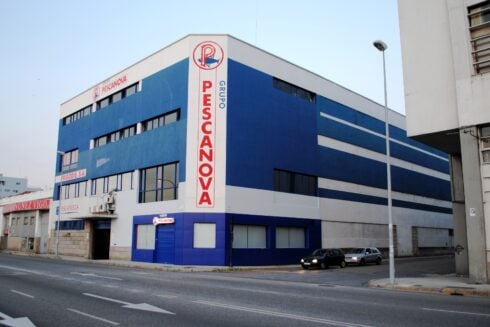
“The decision to abandon this project sends a powerful message that the future of food must not be built on animal suffering or unsustainable practices,” she said.
The animal rights group AnimaNaturalis and CIWF had a protest planned for this Saturday, July 25, calling on the Port Authority to close the case for good.
That demonstration, backed by groups including Ecologistas en Accion, the Aquatic Life Institute and Eurogroup for Animals, is now redundant two days early.
More than 42,000 emails had been sent to Beatriz Calzada, president of the Port Authority of Las Palmas, demanding the file be shut.
PETA also welcomed the news.
READ MORE: Canary Islands octopus farm sparks criticism among scientists
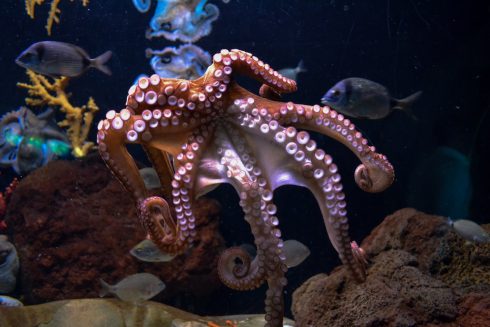
Mimi Bekhechi, PETA’s senior vice president, said the withdrawal vindicated years of campaigning.
“This victory supports what PETA entities and compassionate people the world over have always said: there’s no place in modern society for an industry built on exploiting intelligent, sensitive octopuses,” she said in an email to The Olive Press.
Octopuses ‘do not deserve to be kept in underwater prisons and killed for someone’s tapas,’ Bekhechi said.
CIWF calculated in an October 2025 report that the plant would have needed up to 28,000 tonnes of wild-caught fish just to feed its octopuses in its first year of operation alone.
Scientists broadly regard octopuses as highly intelligent, solitary animals poorly suited to life in crowded tanks.
READ MORE: Activists battle to stop ‘cruelty’ of world’s first octopus farm in Spain’s Canary Islands
Spain is not alone in confronting the question. California and Washington have already banned octopus farming in the US. Mexico has introduced a bill for a nationwide ban, and Chile drafted similar legislation in 2025.
The regulatory mechanics behind Gran Canaria’s u-turn were years in the making.
The project was first waved through a simplified environmental assessment, a lighter-touch review reserved for developments judged unlikely to cause serious harm.
That review still found ‘possible significant adverse effects’, in the words of Nueva Pescanova’s own withdrawal letter, seen by the regional outlet Canarias Ahora.
That finding forced the Canary Islands government to order a full, or ‘ordinary’, environmental assessment instead — a much more rigorous process that can take years and can block a project outright.
READ MORE: ANALYSIS: Octopus farms raise huge animal welfare concerns – and they’re unsustainable too
But Nueva Pescanova never completed it.
The case file was first opened in May 2021, when the company submitted its original application.
The Port Authority will now archive it for good, meaning any future octopus farm proposed for the same site would have to restart the entire permitting process from zero.
Click here to read more Environment News from The Olive Press.