
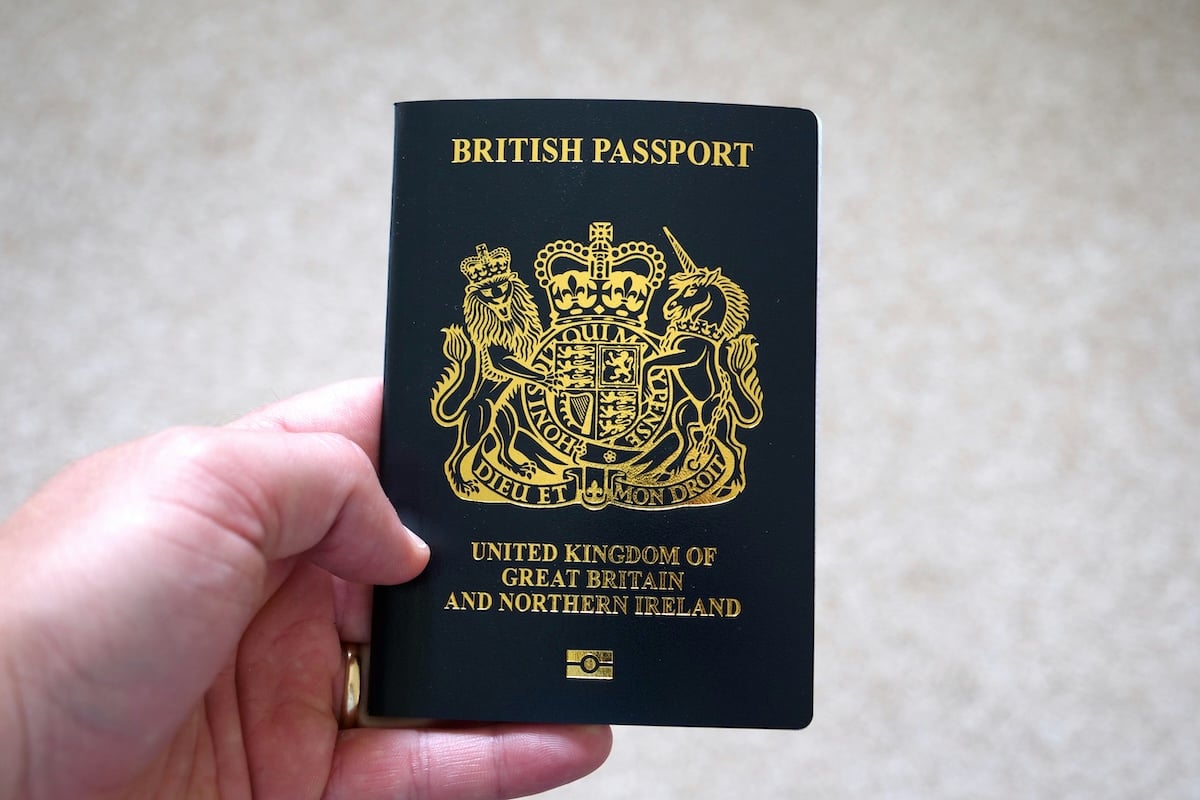
BRITS living in Spain are none the wiser about how Europe’s new Entry/Exit System (EES) affects them — and many are wrongly convinced they can breeze through the e-gates with their TIE card in hand.
That’s according to a new survey by travel insurance provider Staysure Expat, which polled followers on its social media channels in June and found widespread confusion just as EES rolls out across European borders this summer.
A third of respondents (33%) said they hadn’t been given enough information about the system, while 35% wanted clearer guidance on whether it even applies to them as TIE cardholders.
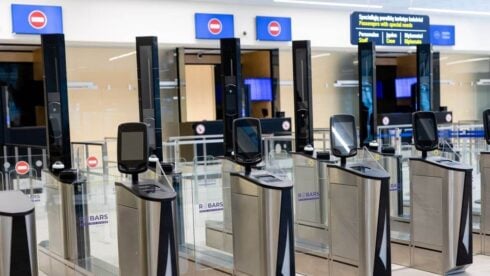
The biggest source of confusion was the e-gates: 42% believed they could use them with a Spanish residency card, while 40% thought they couldn’t — a near-even split that sums up the confusion over the controversial new system.
Getting it wrong isn’t just an inconvenience.
Staysure Expat’s Head of Marketing, Caroline Lips, warns that mistakenly using an e-gate could see a resident flagged as having overstayed the standard 90 day short-stay limit for non-EU citizens, potentially causing headaches on future trips.
The good news, says Lips, is that TIE holders don’t need to touch the EES system at all.
READ MORE: These are the worst airports in Spain for EES border delays, according to Ryanair
The EU’s own Travel Europe portal confirms the system doesn’t apply to holders of residence permits and long-stay visas — which covers anyone with a TIE, regardless of their passport.
The UK’s Foreign, Commonwealth and Development Office backs this up too, confirming long-term Schengen residents are exempt EES-wide.
So what should expats actually do? Head straight for the lane marked for EU/EEA/Swiss citizens and residents — not the back of the EES queue — with both passport and TIE ready to show.
Crucially, that means avoiding the e-gates altogether, since they only scan passports and can’t read a residence card, risking that dreaded ‘overstayer’ flag.
Instead, TIE holders should go to a manned desk, where an officer can visually verify residency and manually wave them through without logging fingerprints or photos into the short-stay database.
There’s a practical upside too: those manned queues, Lips notes, appear to be moving considerably faster than the EES lanes, a rare silver lining for anyone dreading this summer’s airport chaos.
The survey also found an appetite for clearer help: 33% of respondents want better airport signage, and 28% would welcome a simple step-by-step guide.
In response, Staysure Expat has published a blog answering the most common EES questions, with more advice promised for expats in Spain, France and Portugal via its Instagram and Facebook channels.
For now, the message for TIE holders is simple: skip the EES line, skip the e-gates, and head for the manned desk with both documents in hand.
Click here to read more Travel News from The Olive Press.