

THIS summer’s outbreak of West Nile virus in Andalucia has claimed its third victim after a patient infected with the disease died in Sevilla.
The 81-year-old man from Tomares contracted the virus in Mazagon, in the Huleva municipality of Palos de la Frontera, before being admitted to the Hospital San Juan Dios Aljarafe in Sevilla on September 2.
According to reports, he suffered from pre-existing health conditions.
The victim, who is yet to be named, is the third to hit the region this summer, following the deaths of an 82-year-old from Dos Hermanas on August 5 and an 89-year-old from Guadalema de los Quintero on August 27.
All three fatalities so far this year have been elderly patients with underlying health conditions.
So far, 64 human cases of West Nile fever have been identified in Andalucia this summer.
Of these, 38 have presented mild illness and 26 have developed neuroinvasive symptoms, which affect the brain and nervous system.
A total of five patients remain in hospitals across Andalucia.
Currently, 28 municipalities remain on alert for the virus – two in Cadiz, one in Cordoba, six in Huelva, three in Malaga and 16 in Sevilla – requiring increasing monitoring of mosquito and animal and human cases.
The majority of cases have been located in Sevilla province, with high levels of female transmitter mosquitos recorded in the past week in Isla Mayor, La Puebla del Rio and Los Palacios y Villafranco.
Similar readings have been registered in Malaga, with the province recording its first human case of West Nile virus of the year earlier this month after a 69-year-old man was admitted to hospital.
According to the World Health Organisation (WHO), West Nile virus is a mosquito-borne disease commonly found across Africa, Europe, the Middle East, North America and western Asia.
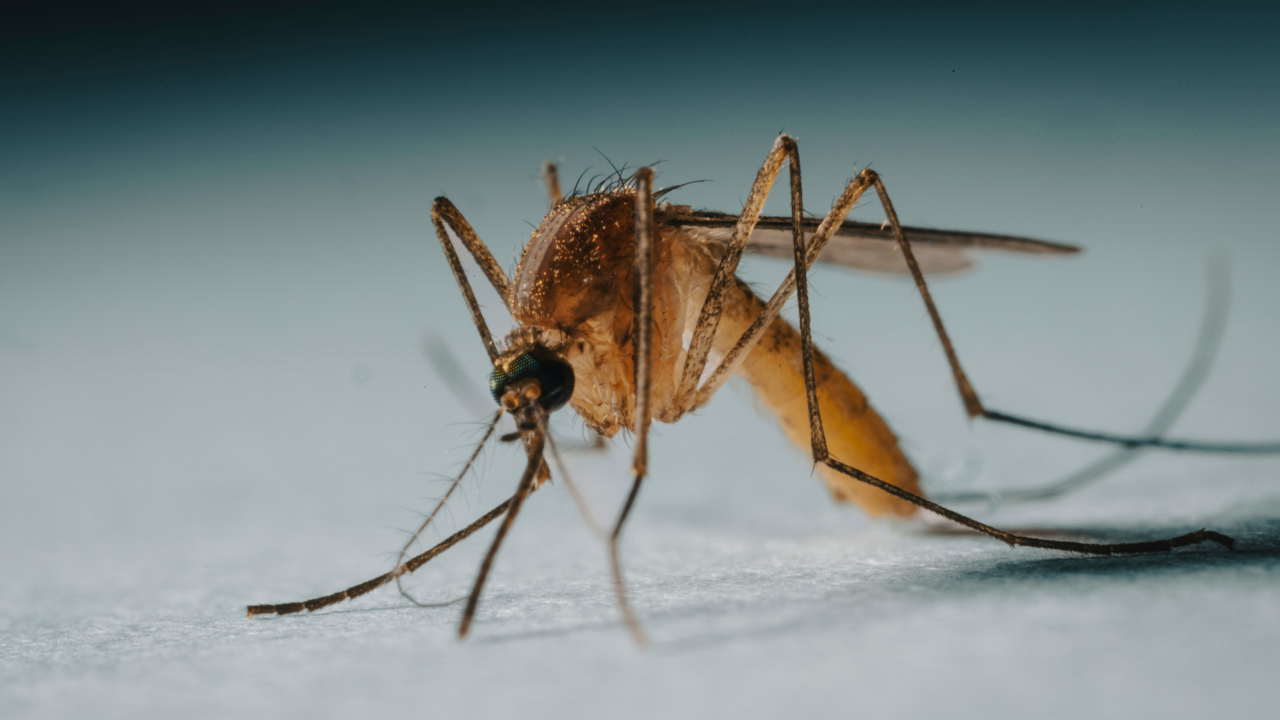
The virus is primarily spread through the bites of mosquitos, which become carriers after feeding on infected birds.
The good news is that around 80 per cent of people infected never develop any symptoms.
Of the remaining cases, most experience a mild flu-like illness called West Nile fever, with symptoms including fever, headaches, body aches, fatigue, nausea and, in some cases, a skin rash or swollen glands.
Only a small proportion of infections become serious.
The WHO estimates that around one in every 150 infected people develop severe neurological complications such as meningitis or encephalitis, which can cause confusion, muscle weakness, seizures, paralysis or, in rare cases, death.
Older adults and people with weakened immune systems are at the highest risk of developing severe illness.
Symptoms typically appear between three and 14 days after being bitten by an infected mosquito.
There is currently no vaccine available for humans.
Click here to read more Spain News from The Olive Press.