
ESTEPONA residents may well be rubbing their hands in a mixture of glee and gratitude over the news that the town hall plans to cut their property tax bill.
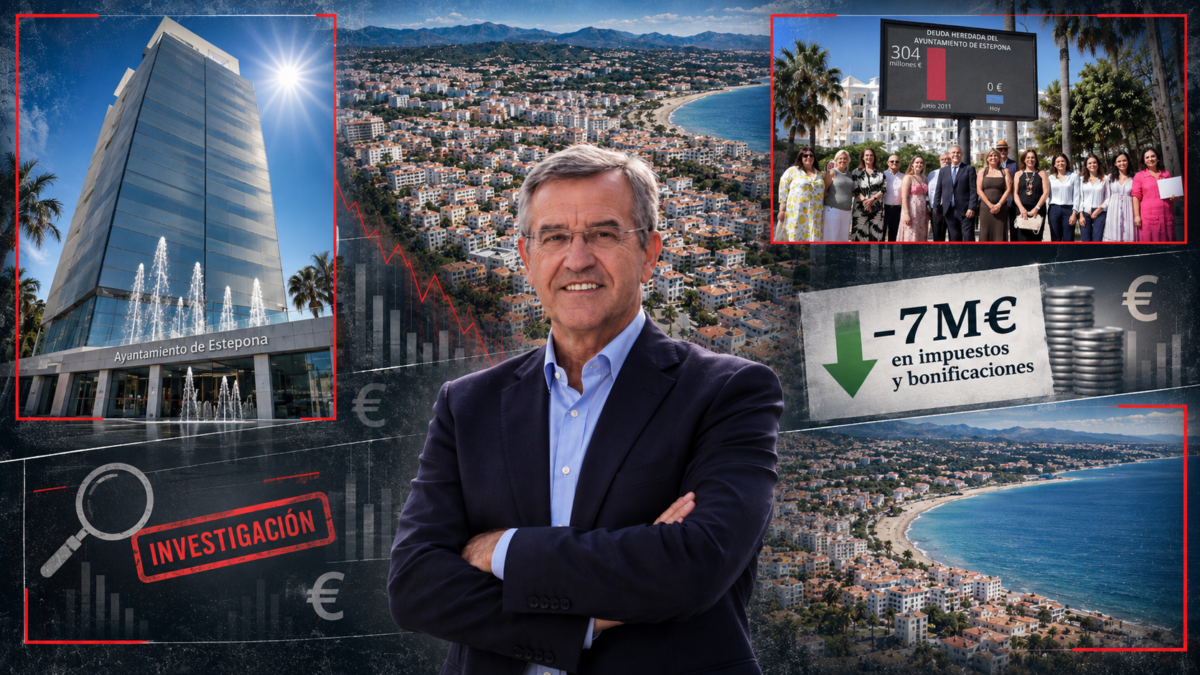
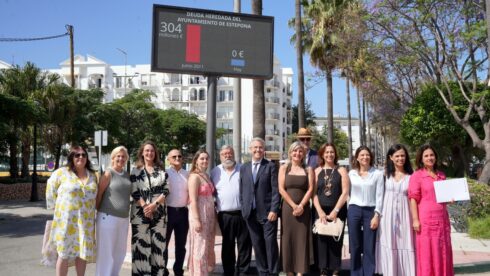
The Costa del Sol town’s mayor, Jose Garcia Urbano, announced the unprecedented tax cuts for 2026 after the municipality finally cleared a staggering €304 million debt pile.
The relief package includes €6.6 million earmarked to reduce annual property tax (IBI) bills by an average of 20% for around 38,000 households across the Costa del Sol town.
Registered retirees and the long-term unemployed will also be entirely exempt from paying the municipal rubbish collection charge.
While elected leaders can do few things better than put money in their constituents’ pockets, they can also do few things worse than put their hands in the public till for personal use.
READ MORE: Estepona mayor back in court this week to fight five-year prison demand as corruption cases mount

The angel
Thus sums up the conundrum facing the tax-payers of Estepona.
Many laud a PP mayor who has ended a 14-year austerity drive, one during which the town hall was forced to pay off an average of €60,000 a day to service the debt inherited from previous PSOE administrations in 2011.
Urbano achieved this ‘zero debt’ milestone through strict cost-cutting, but also by aggressively selling off municipal land to developers and riding a massive wave of foreign property investment.
It means that debt per inhabitant has fallen from roughly €4,600 to under €400 during Urbano’s tenure running Estepona.
The mayor claimed Estepona now has the highest level of public investment per resident among municipalities in the province, with around €76.3 million earmarked for investment this year.
The town hall also claims a 15-day average payment period to suppliers, among the fastest in Spain, and it made a €25.37m advance repayment of inherited debt in 2025 alone.
That aggressive management strategy has filled the coffers and radically transformed the town – but it’s been a double-edged sword.
While the town centre has steadily been beautified, with a massive €17.33 million redevelopment of the Bulevar Parque Central currently under way, locals have been steadily priced out of their own town.
Sales and deals
Public land was auctioned off to fund the debt clearance, and lavish properties far out of their price range started to pop up all over the municipality.
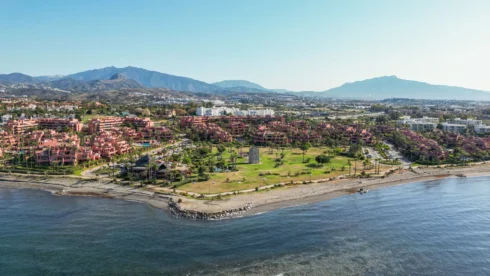
New build properties on Estepona’s ‘New Golden Mile’, the coastal strip stretching east towards Marbella, have now broken the €7,000 per square metre barrier.
Luxury homes in the Seghers area, a neighbourhood near the town’s marina, also regularly sell for millions.
In October 2025, Urbano controversially auctioned off the massive mujeres pobres legacy land, an estate that Antonia Guerrero donated almost a century ago to fund education for impoverished women, now held by the foundation that bears her name and was formally established in 1997.

Mega-developer Kronos Homes scooped up the plot for €68.5 million to build further high-end developments.
Controversially, Urbano is the president of the foundation’s board. Under the foundation’s own rules, at least 70% of that sum, around €46 million, must go toward its educational aims within three years.
Neither the foundation nor the town hall has said what that money will fund, and a report legally required to justify the sale is missing from the file held by the Junta de Andalucia’s regulator.
The fire-sale of municipal assets to balance the books has drawn the attention of the courts.
In 2023, the Prosecutor’s Office opened preliminary proceedings following complaints that the town hall was selling off public land to developers at below-market prices to rapidly generate fast cash.
That probe centred on the sale the year before of municipal property at half-price to Bonifacio Solis, a major Costa del Sol developer and a former business partner of the mayor.
However, prosecutors shelved the case in May 2023 after chief prosecutor Julio Martinez Carazo ‘reviewed the municipal file’.
Public favours
It’s all part of a management strategy that has sought to position Estepona as an alternative and rival to Marbella as the Costa del Sol’s premium resort.
Such a lofty goal has brought heightened scrutiny on Urbano – and a number of alleged misdemeanours to light.
The mayor is currently facing demands for a five-and-a-half-year prison sentence and a eight-year ban from public office over alleged influence peddling and embezzlement.
Prosecutors in Malaga are actively pursuing the sentence over claims that Urbano hired an ‘intimate friend’ for a municipal role checking plant pots and light fixtures.
She reportedly never worked a day during her employment, but received nearly €6,000 in remuneration.
The woman, known only as Cristina CP, was allegedly recovering from breast enhancement surgery at the time – allegedly paid for by the mayor.
Court files have revealed racy WhatsApp conversations between the mayor and Cristina CP from January to March 2023, showing they maintained a personal relationship while the alleged embezzlement occurred.
Prosecutors argue the hiring was a clear case of misuse of public funds and abuse of power, which involves a public official making an arbitrary or unlawful decision.
A local court recently rejected Garcia Urbano’s request to close the case, confirming the investigation will proceed under a professional judge rather than a jury.
Public contracts
He is simultaneously fighting a second, separate corruption probe led by the UDEF, Spain’s financial and economic crime police unit.
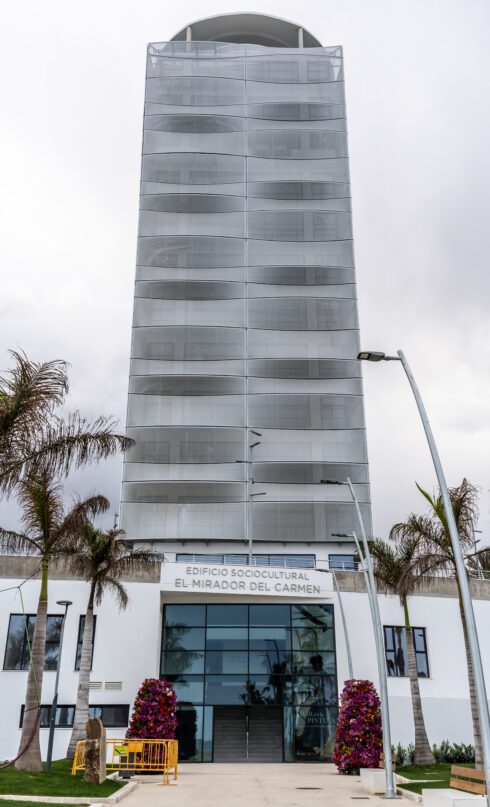
This investigation centres on a 20-year contract awarded to operate a restaurant at Estepona’s Mirador del Carmen, a striking cultural centre that cost the town hall €16 million to build.
Coincidentally, the construction contract went to Urbano’s friends at Bonifacio Solis, who brought the project to conclusion €4 million over budget.
UDEF investigators suspect the lucrative concession was handed to a shell company set up purely to mask the partner of the mayor’s son as the ultimate beneficiary.
The case is still at the instruction stage, with a judge recently ordering the town hall to hand over the full file.
The scales of justice
The mayor strongly denies any wrongdoing in both cases, previously labelling the accusations against him a ‘political manoeuvre’.
But despite the legal clouds, the local council has just approved a €132 million municipal budget for 2026, bolstered by a €40.29 million surplus from the previous year.
Urbano insists the municipality can now use resources previously spent on debt to improve services and invest heavily in the city.
The situation leaves the booming municipality weighing high public investment and record tax cuts against a leader who Spain’s legal system may well find has been enriching himself and his friends at, ultimately, the tax payer’s expense.
And the devil
Urbano learned at the feet of Marbella’s notorious mayor Jesus Gil.
Despite his reputation for rampant corruption, Gil transformed a sleepy, declining town into a global luxury enclave.
He brought in billions in investment and wiped out municipal debt through wild, unregulated urban planning and systemic kickbacks.
Many believed – and still do – that Gil’s corruption was a price worth paying for the transformation it brought.

But Gil’s model was purely extractive.
He didn’t build a sustainable economic engine; he liquidated the town’s public land assets for short-term cash to balance the books and line pockets.
When the land ran out, Marbella was left with massive structural deficits, thousands of illegal homes, paralysed urban planning, and a town council so thoroughly corrupt it had to be suspended by the national government in 2006.
Historical parallels
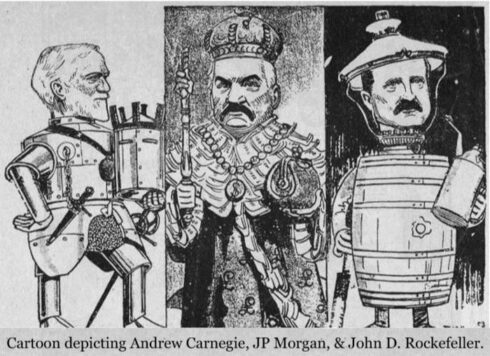
It’s a pattern of development repeated throughout history, going back to America’s ‘Gilded Age’ from the 1870s to 1900, China’s post-1978 growth that has seen it become a super power, and even more recently – and closer to home – in Ireland, during the Celtic Tiger phase of growth from the 1990s to 2008.
America’s democratic institutions were eventually enough to rein in its ‘robber barons’ and forge the most powerful economy in history.
China’s growth has been historically successful at lifting 800 million people out of poverty.
But it has been of the unsustainable ‘catch up’ variety, and it remains to be seen whether the Chinese Community Party can forge a new model to sustain that growth.
As for Ireland – a cozy cabal of politicians, bankers, and developers fueled a massive, corrupt property bubble that directly led to the 2008 crash and a €64 billion bailout and years of punishing austerity.
Yet the tech and pharma sectors that emerged during this period have probably made it ‘worth it’ in the long run, even if it almost killed the host in the process.
In each case, corruption enabled breakneck growth, but it eventually had to be reined in and replaced by a more responsible regime.
Click here to read more Estepona News from The Olive Press.