

THIS week was a political frenzy, with Spain’s attention shifting from the Ceuta crisis to housing, leaving even the state visit of French president Emmanuel Macron in its shadow.
By Friday, Congress had rejected both government housing decrees, turning a week of street protests into a crisis over whether prime minister Pedro Sanchez can still get his plans through parliament.
The calls for a snap election are growing louder.
The Socialist PSOE and its left-wing coalition partner Sumar agreed on housing measures but failed to secure enough votes.
The conservative PP wants an election, while Cristina Valido of the Canary Coalition argued that parliament cannot carry on without being able to reach even basic agreements.
The public helped set the agenda.
More than 1,000 people camped in Madrid’s Puerta del Sol, with around 500 tents.

At the emotional centre was Maricarmen, an 87-year-old woman evicted from the home where she had lived for over 70 years.
She has accepted an agreement allowing her to return after leaving hospital.
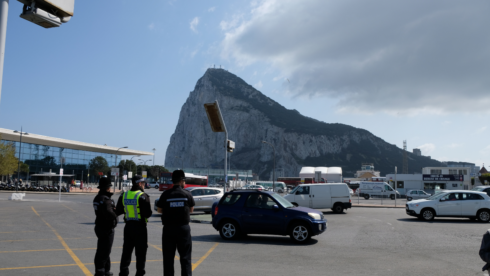
Ceuta remained an open wound.
The government’s representative there resigned, blaming an unfair campaign against him.
Macron backed Spain over the border crisis, but his visit also brought another parliamentary defeat: PP and Vox voted down the friendship treaty with France in the Senate.
A home for Maricarmen, a defeat for Sanchez
Spain’s two housing decrees have fallen at the final parliamentary hurdle.
Congress rejected them on October 2, ending the government’s attempt to turn an urgent response to the housing protests into lasting measures.
The wider package lost by 178 votes to 172, with PP, Vox, Junts and UPN voting against it.
The separate automatic rental renewal decree lost by 184 to 166, after being in force for just 16 hours.
Sanchez’s last-minute warning that rejection would cause immense damage failed to change the outcome.

Outside Congress, hundreds of protesters answered with cries of shame and calls for a general strike.
The Tenants’ Union said its Sol encampment would stay.
Spokeswoman Alicia del Rio blamed both the right for rejecting the measures and the left for failing to solve the housing problem.
The week’s most powerful story had begun with one woman losing her home.
Maricarmen Abascal, 87, was evicted on September 23 and admitted to Madrid’s Gregorio Marañón hospital.
A UN housing expert said Spain had breached its international obligations by proceeding despite a UN committee’s instruction to suspend the eviction while it examined her case.
By Tuesday, there was relief.
Following talks involving her representatives, the Tenants’ Union, property investment firm Urbagestion and Madrid’s municipal housing service, she accepted an eight-year tenancy.
Her rent would be no more than 30% of her net income, with the municipal service guaranteeing the agreement.
Her lawyer said she was delighted and wanted to recover quickly so she could return home.
In Sol, that personal victory became part of a wider demand.
Campers built a small city, naming one of its streets after Maricarmen. Donations supplied food, water and blankets.
One tent carried a sign: “Look, Mum! I’ve moved out!”

A young protester credited public pressure for the cabinet’s approval of the decrees, while stressing that deeper changes were still needed.
But the coalition could not turn that pressure into a parliamentary majority.
PSOE and Sumar split their plans into two decrees because the broader package was considered more likely to pass.
The PP argued that the proposals would create legal disputes and reduce rental supply.
The defeat strengthened demands for an election.
An argument was blunt: a legislature unable to reach agreements should let voters decide.
Far-right Vox leader Santiago Abascal also demanded an early vote, insisting it must be ‘transparent’, ‘free’ and ‘without cheating’.
He accused Sanchez of organising street violence to divert attention from Ceuta, claiming 80,000 Spaniards there faced eviction.
Within the government, Social Rights minister Pablo Bustinduy said the left was ready for elections and predicted housing would define the contest.
Deputy prime minister Yolanda Diaz avoided discussing timing, saying fixing housing remained the priority.
Meanwhile, Macron described the Ceuta crisis as an external attack involving manipulation of vulnerable people and called for European solidarity.
The week ended with two different outcomes: Maricarmen had a route home, but the wider protections had been rejected.
In Sol, the protesters were staying.
Fact box: what the rejected housing decrees contained
| Measure | Proposed change |
| Evictions | Protection until December 31, 2030. |
| Rental extensions | Two extra years for contracts expiring before December 31, 2028. |
| Rent increases | Annual caps of 0% above the reference index maximum, or 2% otherwise, until December 31, 2027. |
| Speculative purchases | Restrictions until December 31, 2028. |
| Short-term lets | Regulation of seasonal and room rentals; 10% VAT on tourist flats. |
| Separate renewal decree | Automatic renewal, requiring landlords to justify non-renewal or compensate tenants. |
Status: Both decrees were rejected by Congress. These are the defeated measures, rather than a list of current entitlements.
Click here to read more Spain News from The Olive Press.