
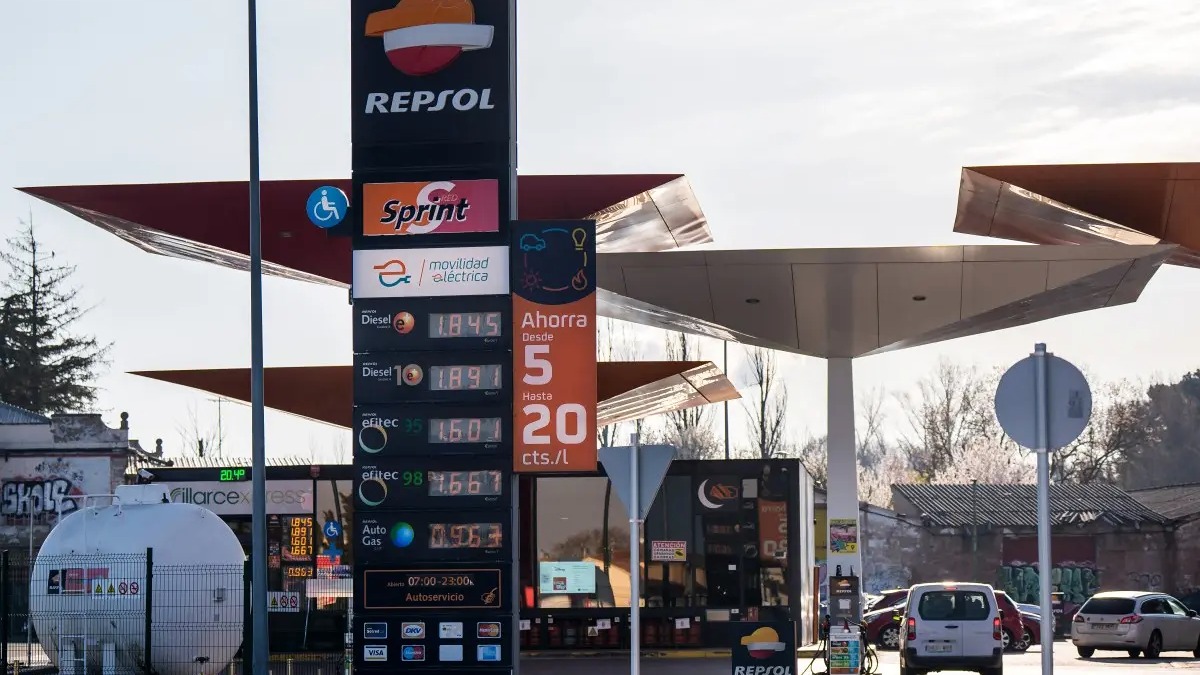
Petrol prices in Spain have climbed to their highest level since the post-Covid inflation surge, helping push annual inflation to 4.9% in September.
Petrol prices rose 27.5% over the year, while diesel prices increased by 34%. The rises followed a breakdown in US-Iran talks that disrupted oil shipments through the Strait of Hormuz.
To deal with the issue, Spain’s government has introduced a 20-cent-per-litre subsidy that now will remain in place after its initial deadline on November 1.
According to economic analysts, the rise does not mean prices are increasing as sharply as during the post-pandemic inflation peak.
READ MORE: Spain’s inflation soars to highest rate since early 2023 due to rising fuel prices
The statistics, announced by Spain’s National Statistics Institute, also show that ‘core inflation’ which leaves out fresh food and energy prices, rose to 3.1%, its highest level since March 2024.
This measure is watched closely because it can show whether price rises are spreading beyond fuel and other items that change quickly.
As a consequence to the rising petrol and diesel prices, transport costs rose 10.5% over the year, while food and non-alcoholic drink prices were up 2.7%.
Overall, inflation has now risen for three months in a row.
The months ahead
On the same day Spain’s National Statistics Institute published its first figures for September, the government approved new measures to help people cope with rising prices.
The new package includes a limit on increases to the regulated gas tariff of 15%. It also sets a maximum price of €19.55 for a butane gas cylinder.
Click here to read more Spain News from The Olive Press.