

22 Oct, 2026 @ 15:50
1 min read

Brilliant medical breakthrough as Barcelona hospital carries out Europe’s first single-incision robotic kidney transplant

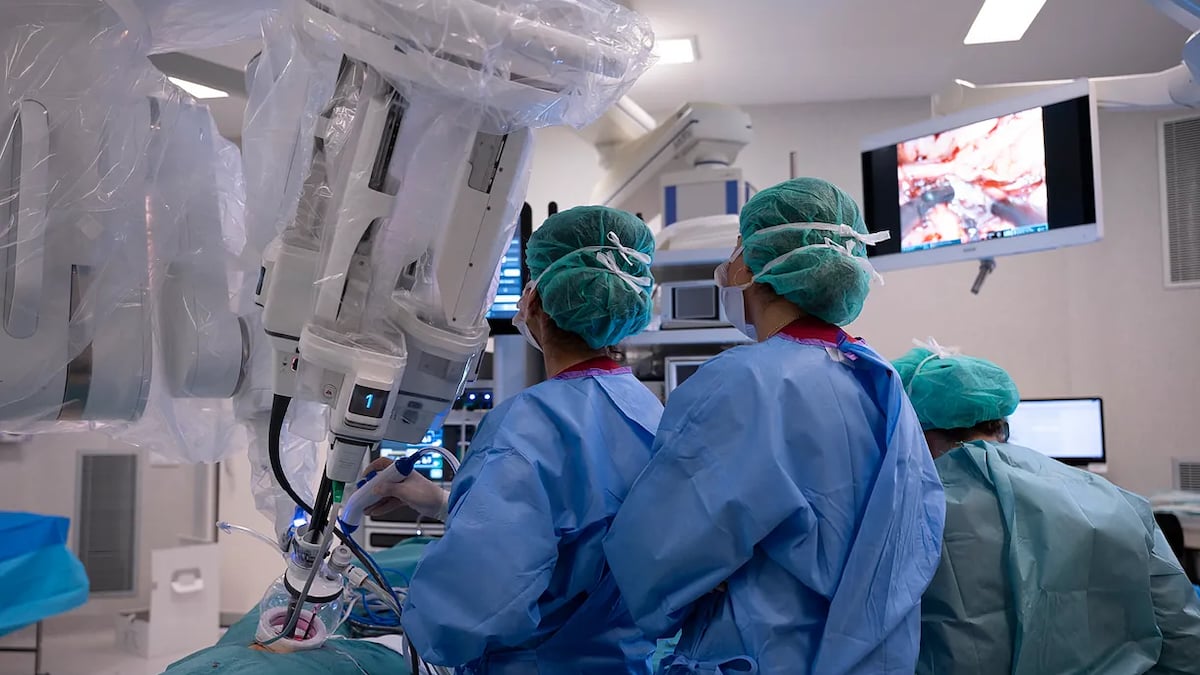
A surgical team use a medical robot during an operation in Spain
Bellvitge University Hospital has become the first in Europe to use the pioneering new surgical treatment. Credit: Hospital del Bellvitge

A BARCELONA hospital has become the first in Europe to carry out kidney transplants using a robot that operates through a single seven-centimetre incision.

Bellvitge University Hospital, in L’Hospitalet de Llobregat, has successfully performed four transplants from living donors using the Da Vinci robotic platform.

The first patient was operated on in July and has since been discharged.
READ MORE: Sexually transmitted infections fall in Spain after a decade on the rise – but chlamydia cases keep climbing

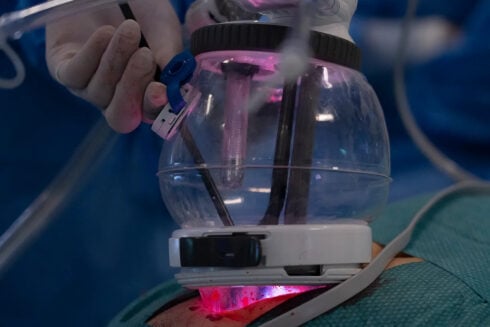
A medical robot makes an incision during surgery
The system passes a camera and surgical instruments through one small opening. Credit: Hospital del Bellvitge

The system passes a camera and surgical instruments through one small opening.

Once inside the body, the instruments unfold and move with great precision, allowing surgeons to carry out complex operations with fewer incisions.

Compared with conventional robotic surgery, which uses several incisions, the single-port method is less invasive. Patients have less pain after the operation, are left with a single 7cm scar and recover more quickly.
READ MORE: Want to live longer? Spanish cardiologist says coffee has ‘remarkable life-extending powers’ – but only at the right time of day

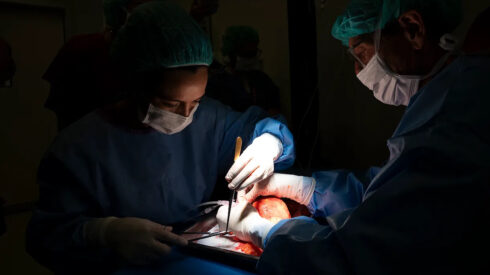
A surgical team operating on a patient
The hospital hopes that the new technique will reduce pain, increase patient success and cut operating costs. Credit: Hospital del Bellvitge

A standard multi-port surgical robot needs up to six openings for its instruments and camera, with a lead surgeon and two assistants operating.

The single-port platform uses one robotic arm to insert three highly flexible instruments and a 3D endoscope through a single opening.

The surgeon controls them from a console with a 360-degree range of movement, and sensors let them feel how much force they are applying.

Head of Urology, Dr. Oscar Buisan said the team was also considering the robot for removing kidneys from living donors, as he believes it is a better option than conventional keyhole surgery.

The hospital also saves on days patients spend in hospital and on pain treatment.

Bellvitge, part of the Catalan Health Institute (ICS), carried out more kidney transplants than any other hospital in Spain in 2025, with 207.

It also led the country for transplants from living donors for the third year running, with 43, all of them performed robotically.

In 2020 the team performed the world’s first robotic orthotopic kidney transplant, a technique it developed.

Click here to read more Catalunya News from The Olive Press.

Chris Havler-Barrett is a journalist, editor and investigator.

He began his career in Mexico, reporting on human rights and government corruption, before joining Mexico News Daily as a Lead Editor.

He now joins Olive Press from Cartagena.

Leave a Reply

This site uses Akismet to reduce spam. Learn how your comment data is processed.

Previous Story

Nine arrested as police smash two drug gangs in Malaga city centre – including 24-hour dealing ring with its own ‘smoking room’

Brit dodges jail despite admitting to raping unconscious woman twice at Magaluf hotel
Next Story

British tourist escapes jail despite admitting raping ‘unconscious’ holidaymaker during drug-fuelled binge at Magaluf hotel

Latest from Barcelona

Create a free account, or log in.

Gain access to read this article, plus limited free content.

Yes! I would like to receive new content and updates.

Go toTop