

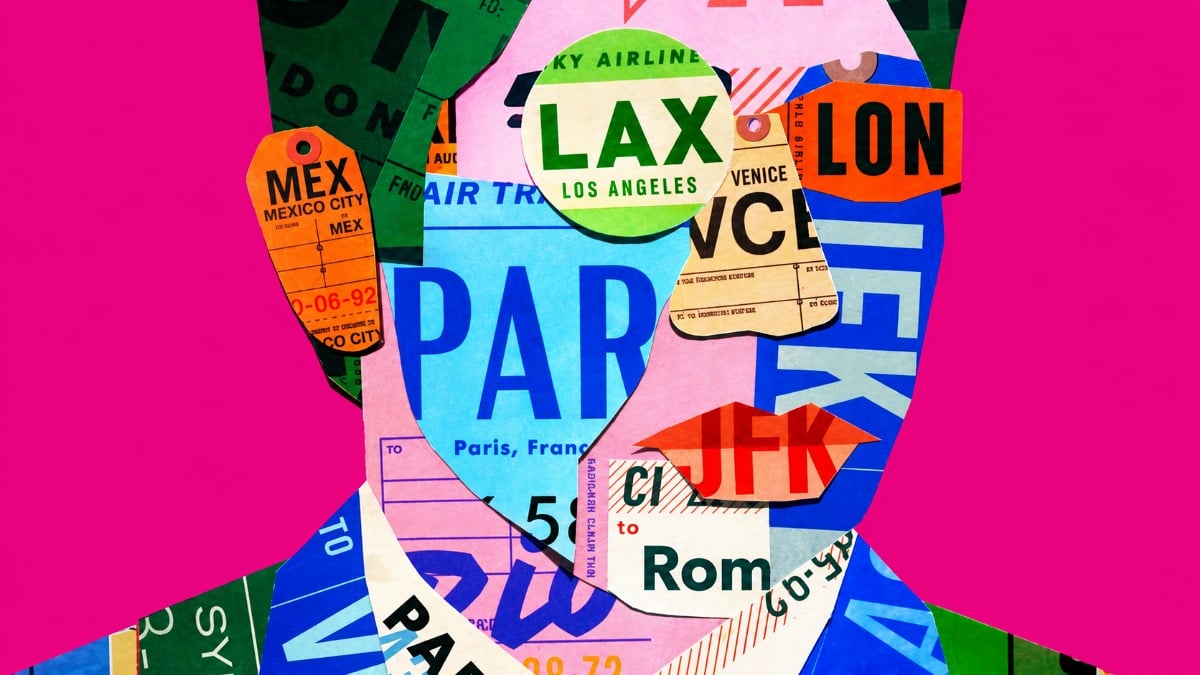
CAN a writer turn shared secrets and memories into stories of their own?
Spanish filmmaker Pedro Almodovar explores this question in his first novel: when does using someone’s life for a story become taking something that is not yours?
It is a question that goes beyond books.
For decades, Almodovar has drawn on his life, memories and stories he has heard to make his films.
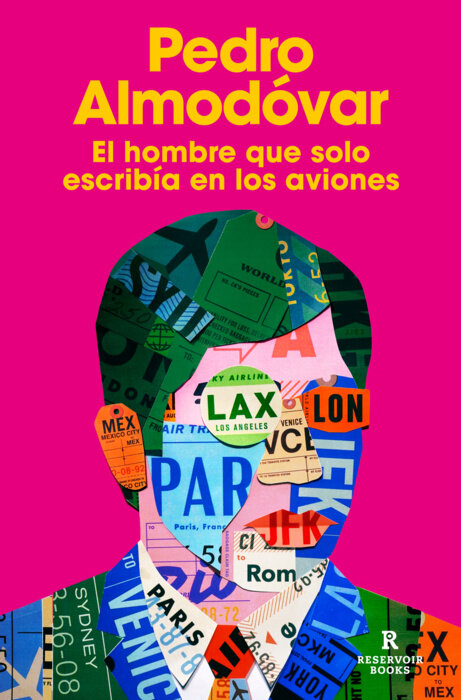
Now, at 77, he brings that question to his novel, The Man Who Only Wrote on Planes.
It comes at a time when artificial intelligence is raising more questions about who owns ideas and what it means to create something.
Reservoir Books is publishing the 256-page novel, titled El hombre que solo escribía en los aviones in Spanish, on Thursday, October 29.
Its main character, Flavio Guijarro, changes jobs and direction many times before turning to writing.
Along the way, he uses other people’s ideas and work to create his own stories.
Almodovar does not see Flavio as a perfect hero.
He describes him as someone who sometimes takes other people’s ideas and openly makes them his own.
The issue is familiar to the director himself.
Speaking about his film Amarga Navidad, he said he had used experiences from the lives of people close to him.
Some of those experiences, he explained, belonged to more than one person.
That raises a difficult question: if several people share a memory, how much right does one of them have to turn it into a story?
Almodovar tries to avoid hurting others. But he admits that when a memory works well in a story, it can be hard to leave it out.
His novel also links the question of taking other people’s ideas to the growing use of artificial intelligence.
Almodovar sees AI as a serious threat, but he believes it could not write a film like his Talk to Her.
For him, telling stories involves more than putting ideas together. Personal experience and feelings also help shape the work.
Almodovar had wanted to write a novel since he was a teenager, but it took him decades to do it.
He says making films comes more naturally to him. Writing leaves him feeling more exposed because it is harder to hide yourself in a book.
The novel took shape while he was working on Amarga Navidad. It includes ideas and pieces of writing he had kept for years.
Among them is a science-fiction story he first thought of in 1983 after watching Blade Runner.
After decades of filmmaking, the novel opens a new chapter in Almodovar’s long relationship with books.
Books, writers and references to literature have often appeared in his films. Now he is taking on the role of novelist himself.
Almodovar published a short-story collection, The Last Dream, in 2023. This is his first novel.
Click here to read more Spain News from The Olive Press.