
IN A makeshift laboratory in the cemetery of a small Seville village, a team of experts is working to give names back to 74 people buried in mass graves nearly 90 years ago.
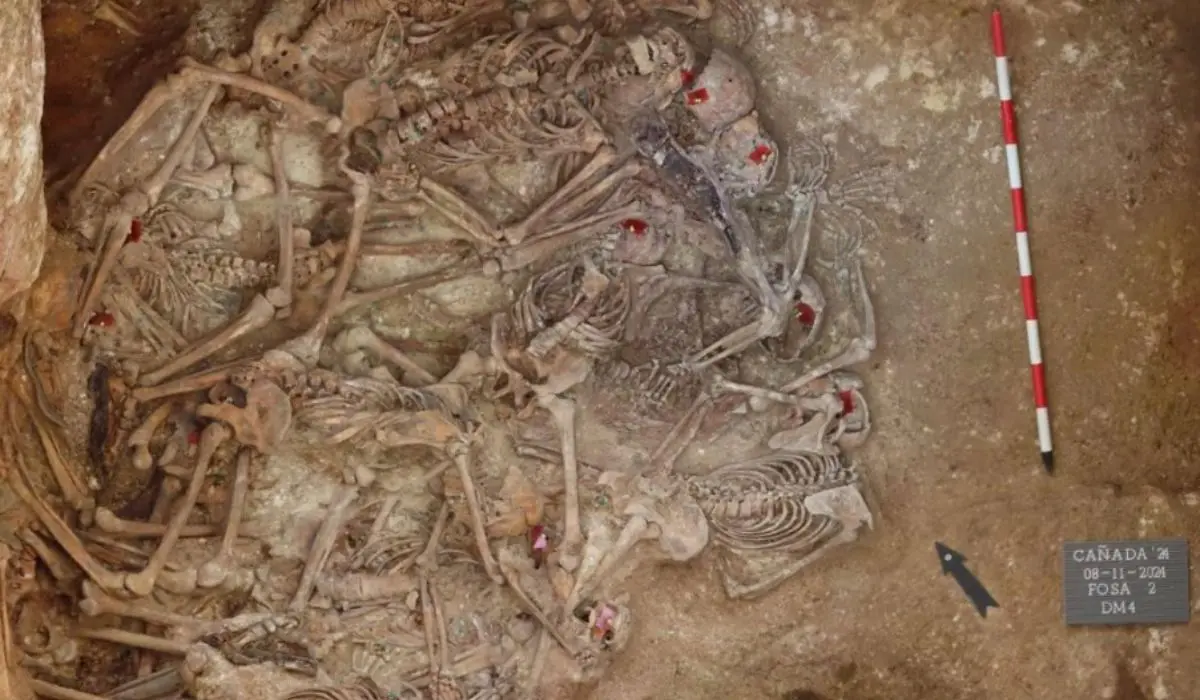
The remains were found in two mass graves in Cañada Rosal, and every object recovered with them is being studied for clues, from rings and earrings to a pencil, and even seeds.
“It seems impossible to get 100% results,” says forensic archaeologist and historian Carmen Romero, who is leading the work. But she hopes that most of the people found will one day rest in a grave that bears their name.
The project began in 2021 with excavations at the village’s old cemetery, which is now a park.
The first grave contained the remains of 14 people, the second 60. Since then, historians, archaeologists, anthropologists and archivists have been working together to classify the remains.
In December 2025, Seville’s provincial council granted €70,000 to finish the genetic and anthropological study.
The aim is to return the victims to their families, but first each one must be fully identified.
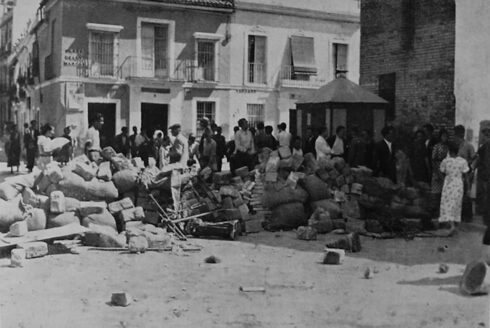
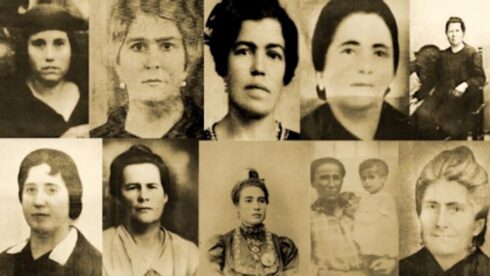
Ten of the victims are women. The team believes they may be the ‘Niñas del Aguacho’, a group of young women aged between 16 and 22 who were murdered in August 1936, weeks after the start of the Spanish Civil War.
The exact number is not known, though it is thought to be around nine. They were rounded up by a group of Falangists, put on a lorry and taken to the El Aguacho estate, where they were forced to cook for their captors before being raped and murdered.

Their killers spread the story that the bodies had been thrown down a well in the middle of a field. But the evidence now suggests they were buried in the mass grave in Cañada Rosal.
In her laboratory, Romero is studying rings, earrings and pendants that may have belonged to them, and that could put names to the women 90 years after their deaths.
The scientific work is backed by painstaking historical research, including archive records and interviews with local people, to build up a picture of what happened in each village.
The team is certain that the graves in Cañada Rosal hold people from several towns in the surrounding area.
“Depending on what the person was carrying, their clothing can be reconstructed. They might even have had something related to their job, like a pencil,” Romero explains.
If witnesses recall that a carpenter was among those killed, a single tool or pencil could be the clue that identifies him.
READ MORE: George Orwell’s brush with death during the Spanish Civil War shaped a British literary giant
Among the objects on her workbench are watermelon seeds, found where one victim’s stomach would have been.
In 1936, fruit was only available in season, so the seeds show that person died in summer, which narrows down when they disappeared and helps the team work out who they were.
The work is made harder by the fact that some victims left no children, so tracing a genetic match through close relatives is not always possible.
But Romero and her team are determined to put names on as many headstones as they can.
Those who cannot be identified will be laid to rest in a shared grave that will also remember, by name, the people from the area who disappeared and were never found.
Click here to read more Andalucia News from The Olive Press.