

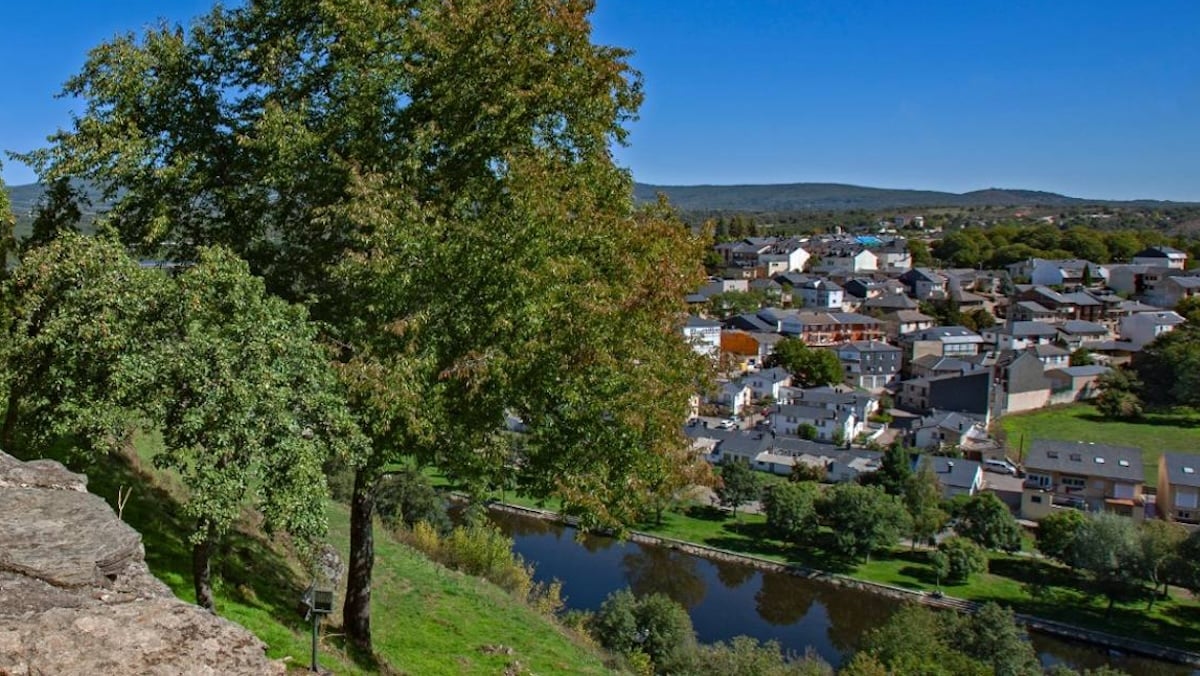
IN JUNE 1930, the writer Miguel de Unamuno climbed up to an old monastery above a mountain lake in the far north-west of Spain.
Locals told him that a village, Valverde de Lucerna, lay drowned beneath its waters. He wrote a poem about the place, and that same year the sunken village became the setting for one of his best-known novels, San Manuel Bueno, martir.
Nearly a century on, the lake and the medieval village beside it, Puebla de Sanabria, remain one of Spain’s best-kept secrets.
Austria’s Hallstatt is famous the world over for its lakeside houses framed by mountains, and it is now overrun with visitors.
Far fewer people make it to Sanabria. Yet just a few kilometres from the lake, a hilltop village waits with a castle, medieval walls and dark slate roofs.
Puebla de Sanabria sits in the north-west of Zamora province, close to the borders with Galicia and Portugal, between the Tera and Castro rivers. Records mention it as early as the sixth century.
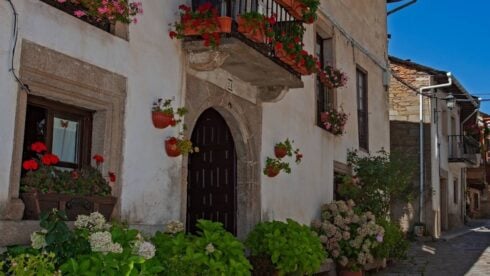
Its old town, a protected historic site, crowns the hill. You reach it on foot, up the steep, cobbled Calle de la Rua, past stone houses bearing coats of arms.
At the top is the Plaza Mayor, where the town hall, dating from the time of the Catholic Monarchs, faces the church of Nuestra Señora del Azogue.
The church was begun in the late 12th century. Look closely at the carved capitals and you’ll spot Adam and Eve being tempted by the serpent.
READ MORE: Five country homes in Spain that offer the perfect cosy escape this autumn
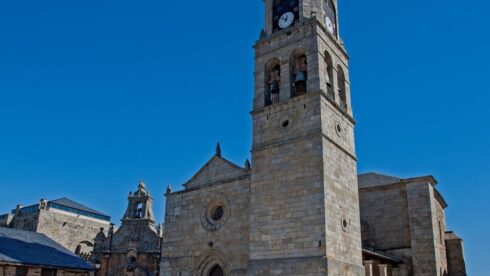
Next door, the little baroque chapel of San Cayetano houses the floats carried in the town’s Easter processions.
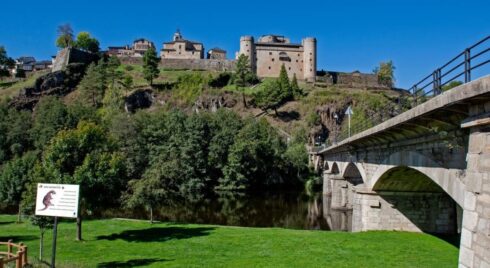
Overlooking the Tera valley, the 15th-century castle is the village’s crowning glory.
At its heart rises the keep, known as El Macho, the silhouette that identifies Puebla de Sanabria long before you reach its walls.
Today the castle houses the tourist office, and you can climb the keep and walk along surviving stretches of the 12th- and 13th-century town walls.
Nearby, a small museum displays carnival giants and big-headed figures, some up to 170 years old.
The legend Unamuno heard is still told today. A beggar arrived in Valverde de Lucerna asking for alms, but only a group of women baking bread took pity on him.
He was Christ in disguise. He told the women to climb the mountain, then struck the ground with his staff, and the water swallowed the village.
In Unamuno’s novel, locals claim you can hear its church bells beneath the lake on Midsummer’s Night.
Around three kilometres long and up to 51 metres deep, Lake Sanabria is the largest glacial lake in the Iberian Peninsula.
The lake and the surrounding mountains form a natural park, home to wolves, roe deer, otters and eagles.
Since 2021, trains on the Madrid-Galicia high-speed line have stopped at Sanabria AV, and the journey from Madrid takes around two hours.
However, the station is not in Puebla de Sanabria itself but in Otero de Sanabria, a hamlet with barely any public transport into the village.
Regional bus lines towards Zamora and Benavente now stop at the station. Even so, a car or taxi is the most practical way to get around, especially if you want to explore the villages around the lake.
If you’re going in July or August, book accommodation well in advance, as demand soars.
Click here to read more Spain News from The Olive Press.