
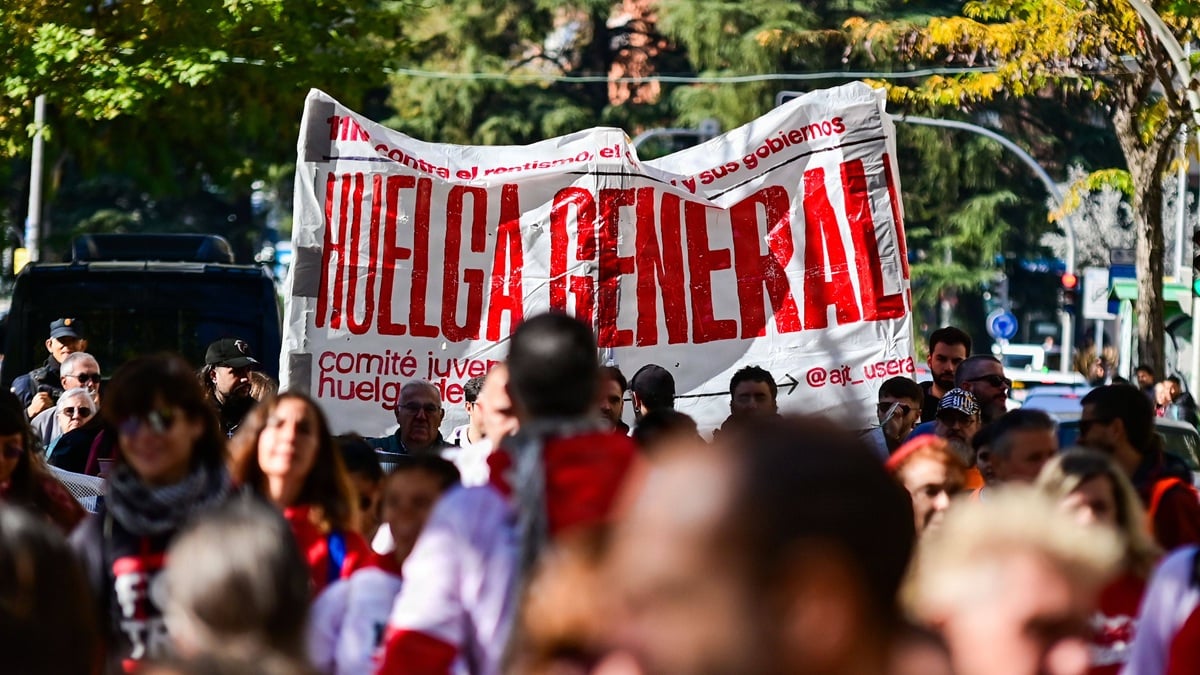
SPAIN is bracing for widespread disruption on Wednesday as workers nationwide join a general strike over housing, wages and working conditions.
More than 4,500 union branches and works councils have publicly endorsed the walkout, according to trade union Comisiones Obreras (CCOO), though it remains uncertain how many workers will actually take part.
The 24-hour protest will begin at midnight on November 11, affecting public and private services across the country.
Hospitals, schools, public transport and other essential services will remain open, but many will operate with fewer staff than usual.
The Olive Press has put together a guide to what readers can expect from the walkout and how it could affect their daily lives.
READ MORE: Spain threatens TikTok shutdown after 1,000 child abuse videos rack up 48million views
HOSPITALS AND HEALTHCARE
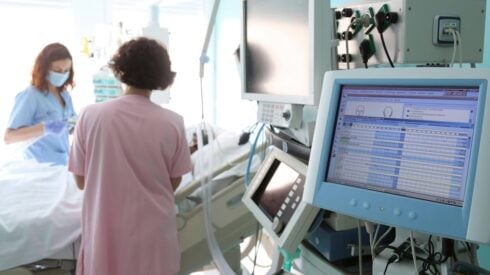
Hospitals and health centres will remain open on Wednesday, but patients may find routine appointments, tests and non-urgent operations cancelled or postponed.
A&Es, intensive care units, maternity wards and treatments that cannot safely be interrupted will continue operating.
The arrangements, however, vary between regions. In Andalucia, hospitals will provide the same services as on a Sunday or public holiday, with additional staff available for urgent procedures and treatments including chemotherapy, radiotherapy and dialysis.
In Catalonia, hospitals will operate with their usual Sunday and public holiday staffing levels, while GPs and smaller primary care centres will have just 25% of their usual staff.
Madrid has ordered hospitals to keep 35% of their usual staff on duty, while hospitals in the Valencia region will operate as they would on a Sunday and health centres as they would on a Saturday.
Anyone with an appointment on Wednesday should contact their hospital or health centre before setting off.
READ MORE: Spain’s right-wing bloc maintains poll lead as PSOE support edges up ahead of November 29 election
EMERGENCY SERVICES
Emergency services will continue operating throughout the strike, with enough staff required to ensure urgent calls and life-threatening situations are dealt with.
Police officers, members of the Guardia Civil and the armed forces are not allowed to strike, meaning their services will continue as normal.
Firefighters and emergency medical teams will also remain on duty, although the number of staff required will vary between regions.
In Catalonia, 85% of the usual staff at the 112 emergency call centre must remain on duty, while fire services will keep enough crews available to respond to emergencies.
Private security staff will also be required to work, with 90% of the usual workforce staying on duty at airports, ports and railway stations.
PUBLIC TRANSPORT AND AIRPORTS
Getting around Spain could prove more difficult on Wednesday, although trains, buses and flights will continue running.
Renfe, Spain’s state-run railway company, will run 75% of its usual commuter trains during peak hours and 50% during the rest of the day.
Peak hours are between 6am and 9am, 1.30pm and 3.30pm, and 6.30pm and 8.30pm.
Medium-distance trains will run at 65% of their usual frequency, while high-speed AVE and long-distance services will operate at 73%, the company said.
Local transport arrangements will depend on the region. Madrid’s Metro will run 80% of its usual services during peak hours and 50% for the rest of the day.
City buses in the capital will operate at half their usual frequency throughout Wednesday.
Catalonia has imposed tighter restrictions, with just 25% of usual public transport services guaranteed during the morning and afternoon rush hours.
Outside those periods, no services are guaranteed on the region’s Metro, buses and commuter trains.
In the Valencia region, around 80% of usual regional rail services will run, alongside between 70% and 80% of metropolitan bus services.
Airports will remain open, but some flights may be cancelled as airlines follow government rules on how many services they must operate.
The rules depend on the route, with more flights protected on connections between the Balearic and Canary Islands, Ceuta and Melilla, and mainland Spain.
International flights and domestic routes where alternative public transport journeys take more than five hours are also covered by these rules.
Passengers should check directly with their airline before travelling to the airport.
READ MORE: What to expect from Spain’s general strike next week
SCHOOLS
Schools are not expected to close across the country, but parents should prepare for fewer teachers and possible disruption to lessons and other activities.
The number of teachers who must attend varies between regions and depends on the type of school.
In Catalonia, primary schools must have at least one teacher for every six classes, while nurseries must retain a third of their usual staff.
Madrid has ordered one teacher for every 50 pupils in infant and primary schools and one for every 90 pupils in secondary schools.
In the Valencia region, schools must have at least one teacher for every four classes in infant and primary education.
Parents should contact their children’s school to check whether lessons, school meals and other activities will go ahead as planned.
COURTS
Courts will also face disruption, although urgent judicial services will continue throughout the walkout.
Court duty services and staff needed to deal with urgent cases that cannot be postponed will remain on duty.
In Catalonia, enough court staff must also remain available to handle proceedings that cannot be interrupted and ensure legal deadlines are met.
Routine administrative work and non-urgent hearings may be affected if court employees join the strike.
Anyone due to attend a hearing or appointment on Wednesday should contact their court or lawyer to check whether it is going ahead.
Click here to read more Spain News from The Olive Press.