
NEARLY 200,000 people born in the disputed territory of Western Sahara will soon be able to claim Spanish passports after lawmakers approved a law formally granting them citizenship.
Spain’s lower house voted 168-31 in favour of the legislation on Thursday, with 145 abstentions from the conservative Partido Popular (PP) and Junts per Catalunya, in what supporters have described as a historic attempt to right a decades-old injustice.
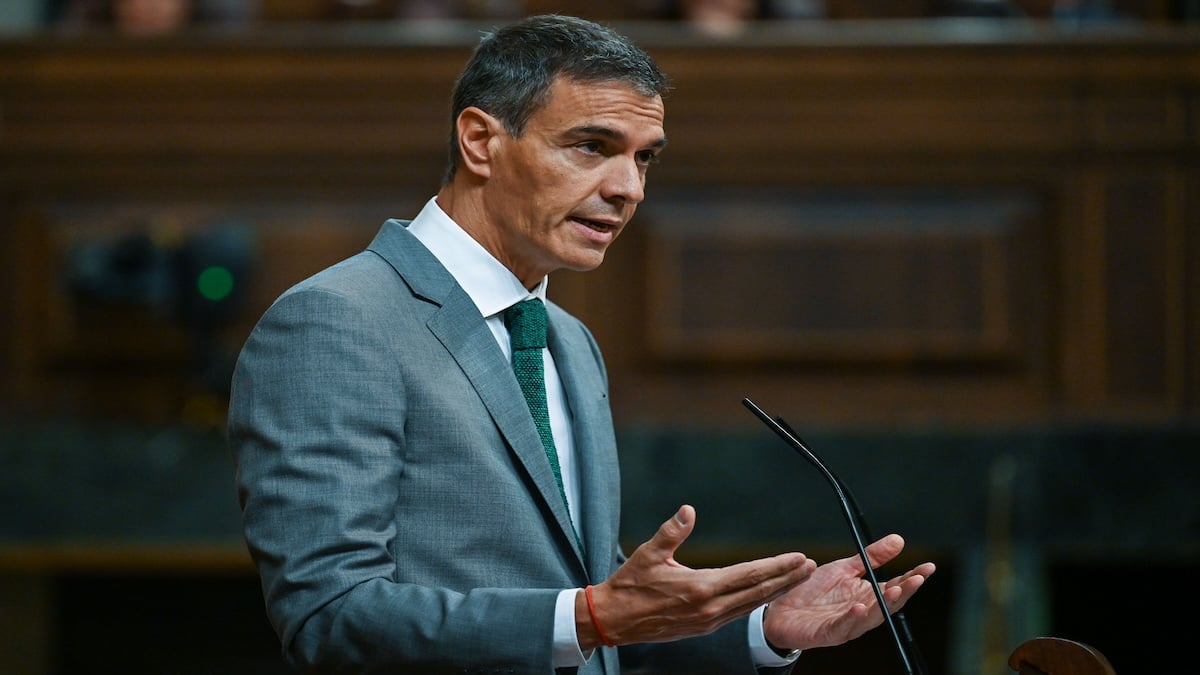
The bill, introduced by prime minister Pedro Sanchez’s ruling PSOE and left-wing junior coalition partner Sumar, will now need to be ratified by the senate before it can become law.
If passed, it would grant Spanish nationality to Sahrawis born before September 29, 1977 – two years after Spain, in the waning days of General Franco’s rule, agreed to carve up its colonial territory between Morocco and Mauritania.
The naturalisation process would also apply to the Sahrawis’ direct descendants, even if they have never lived in Spain.
READ MORE: Spain backs UN resolution granting Morocco sovereignty over former colony Western Sahara
Those eligible include Sahrawis living in the Western Sahara under Moroccan control, refugees in the Tinduf camps in Algeria and members of the Sahrawi diaspora across Europe – a total figure estimated at around 200,000 people.
The legislation has been hailed by its supporters as a form of historical restitution, with the new Spanish citizens set to gain the right to freely travel throughout the Schengen area, work across the European Union and study at European universities, as well as access healthcare in Spain.
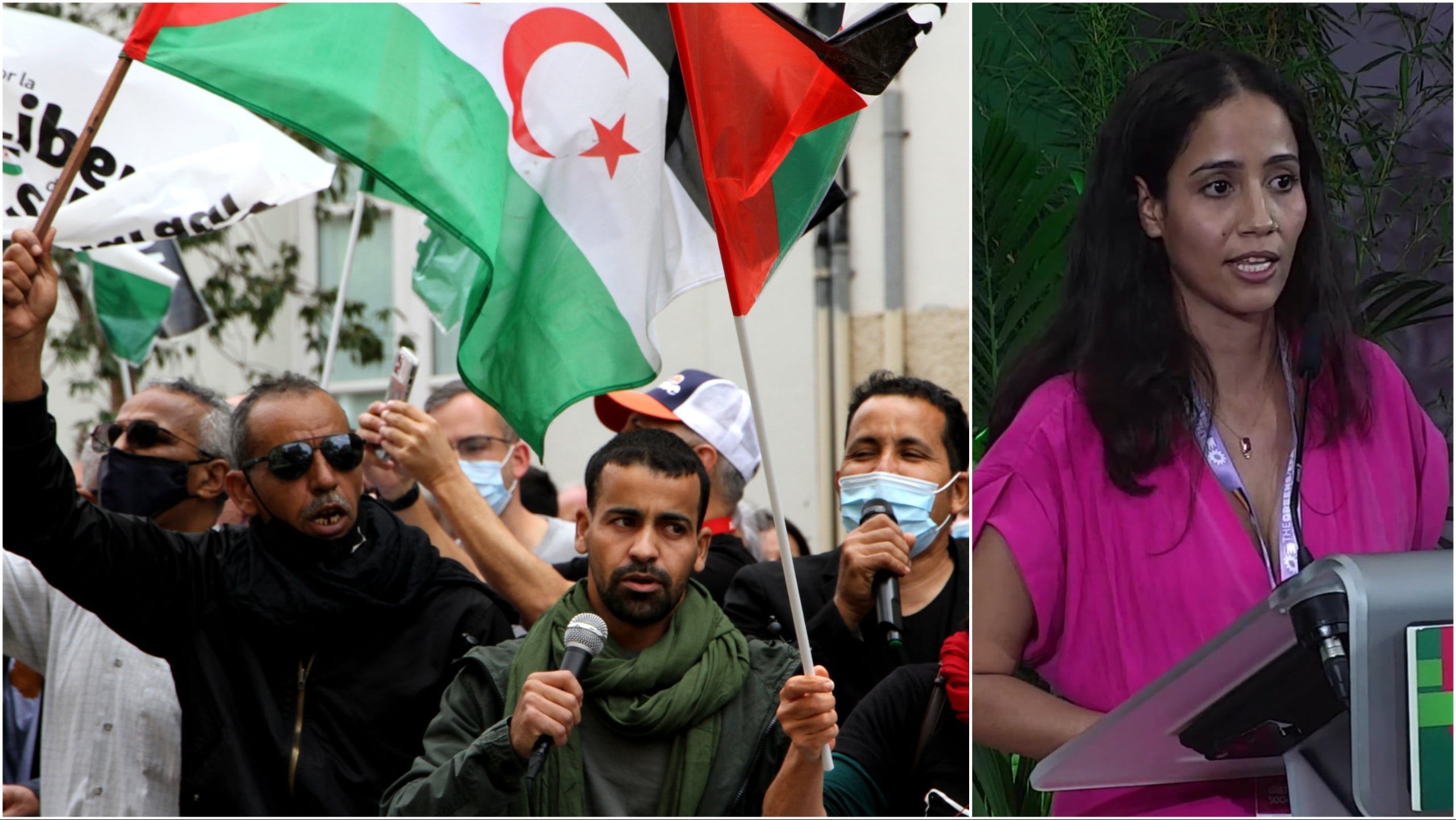
The vote was met by scenes of emotion in Congress, with Sahrawis watching on from the public gallery celebrating as the legislation passed.
Sumar MP Tesh Sidi, the first woman of Sahrawi origin to serve in Spanish parliament, said the move would restore close cultural and historical ties that had been lost when Spanish colonial rule ended.
“With the adoption of this legislation, we are restoring – and I emphasise, restoring – the Spanish national identity card to those Sahrawis who once held it and from whom this state took it away,” she said.
Spain was the colonial power in the mineral-rich west African region from the late 19th century until 1975, when it withdrew under mounting international pressure.
However, rather than organising a referendum for the Sahrawi people – an ethnic group native to Western Sahara – Spain signed the Madrid Accords with Morocco and Mauritania.
The agreement effectively transferred administrative control without UN approval and ignored a verdict from the International Court of Justice (ICJ) that those countries had no right to sovereignty over the region.
The decision kickstarted the Western Sahara conflict as the Polisario Front, a Sahrawi nationalist movement, unilaterally declared independence and launched a campaign of armed resistance.
Today, approximately 30 per cent of Western Sahara is controlled by the Polisario Front, with the remaining 70 per cent occupied by Morocco.
The UN classifies Western Sahara as a ‘non-self governing territory’, while the UN’s High Commissioner for Human Rights (OHCHR) has not been granted access to the region since 2015, and ‘continues to receive allegations relating to human rights violations including intimidation, surveillance and discrimination against Sahrawi individuals particularly when advocating for self-determination’.
A recent report from Amnesty International said that the ‘authorities continue to restrict dissent and the rights to freedom of association and peaceful assembly in Western Sahara’.
The Spanish vote comes at a particularly delicate moment in relations between Madrid and Rabat, with tensions already heightened by the migration crisis in the north African enclave of Ceuta.
At least 80,000 migrants poured into the tiny pocket of Spanish territory from neighbouring Morocco in late July, with many leading figures in Spanish politics accusing Rabat of deliberately allowing or encouraging the surge – something Morocco has repeatedly denied.
Morocco has yet to issue an official condemnation of the Spanish citizenship legislation.
However, the move has reportedly prompted unease in Moroccan media and among some figures close to the government, amid concerns the law could reinforce a distinct Sahrawi identity among people living in the territory.
Click here to read more Spain News from The Olive Press.