By Brandon Cheevers
IMAGINE you’re on your way to a nightclub that bears a striking resemblance to a giant cake – one that is covered in cream and set amongst orange groves.
When you arrive, you’re immediately greeted by a living, trumpeting elephant; a hot air balloon is hovering in the sky above above and, of course, ubiquitous ravers are dancing and waving as you intrepidly set foot inside this weird and wonderful world.
A short walk away is another nightclub offering something just as bizarre – perhaps a live theatre performance on religious blasphemy, its labyrinthian corridors luring you from one room to the other, where you can dance to guitar based music mixed with trippy acid house.
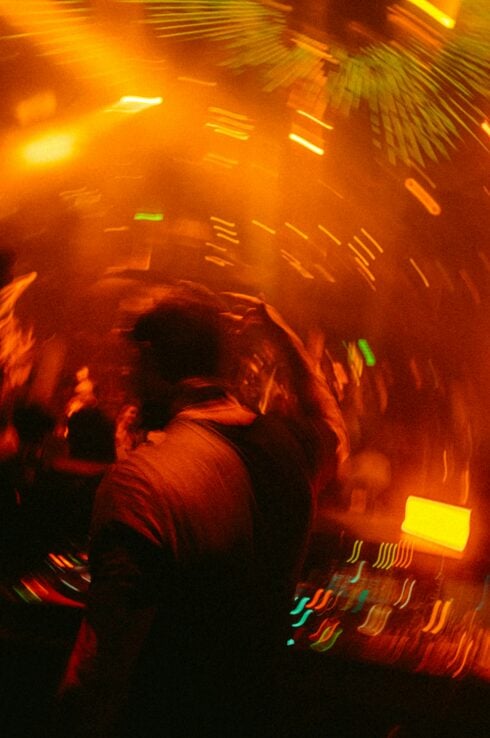
This is La Ruta (also known as La Ruta Bakalao), the cultural phenomenon of the 1980s and 90s that propelled Valencia to the forefront of the dance music scene.
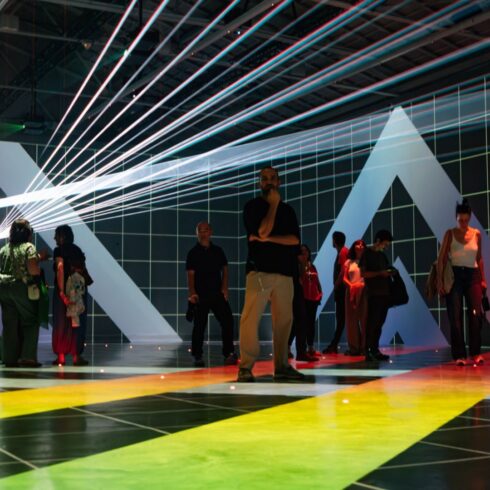
The party may be over, but an exhibition currently running in the city called La Ruta: Modernidad, Cultura y Descontrol (The Route: Modernity, Culture and Chaos) is offering a glimpse into that strange and magical world, albeit with no danger of being trampled by a wild animal.

Running until the end of January, the exhibition is an immersive deep dive into one of the most exciting, progressive, alternative events of its time.
From the history behind its rise, the creative minds that inspired it, and the music, art and people that powered it to infamy for over a decade, it’s an hour and a half of full-on brilliance (with a downloadable English guide available at the door that translates every written and spoken word from beginning to end).
So what was La Ruta? Simply, it was a network of nightclubs located on the outskirts of the city, some along a 30km secondary road stretching along the coastal perimeter.
Fittingly, many of the people that went existed on the fringes of what was then a deeply conservative society.
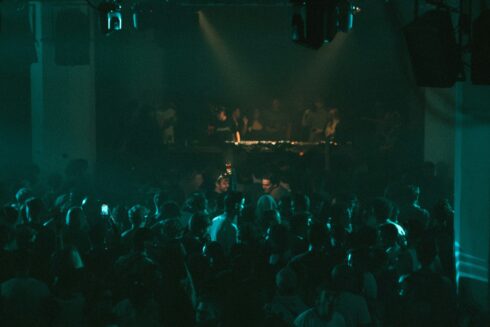
It was a time of limited or no regulation: clubs stayed open around the clock and for days on end, and their out-of-the-way locations meant the scene grew up out of the watchful gaze of the authorities and the media.
Offering more than the traditional nightclub fare, it was what one celebrated DJ termed ‘action entertainment’.
Everything came together under one roof, with theatre, fashion shows, visual arts and live music added to the traditional club focus of DJs and dancing.
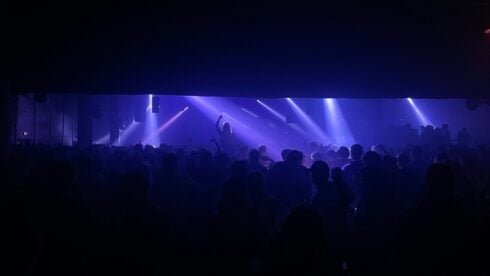
At its height it was estimated that 50,000 people were visiting the clubs every weekend. But as media attention grew, a public outcry led to more controls.
A new breed of promoter arrived, and the creative, underground edge that had made the movement so special died. By the end of the 90s, many of the clubs had closed down.
Much has since been written about what was a unique cultural and social movement.
This exhibition is the latest attempt to understand what took place in those heady years of the eighties and early nineties.
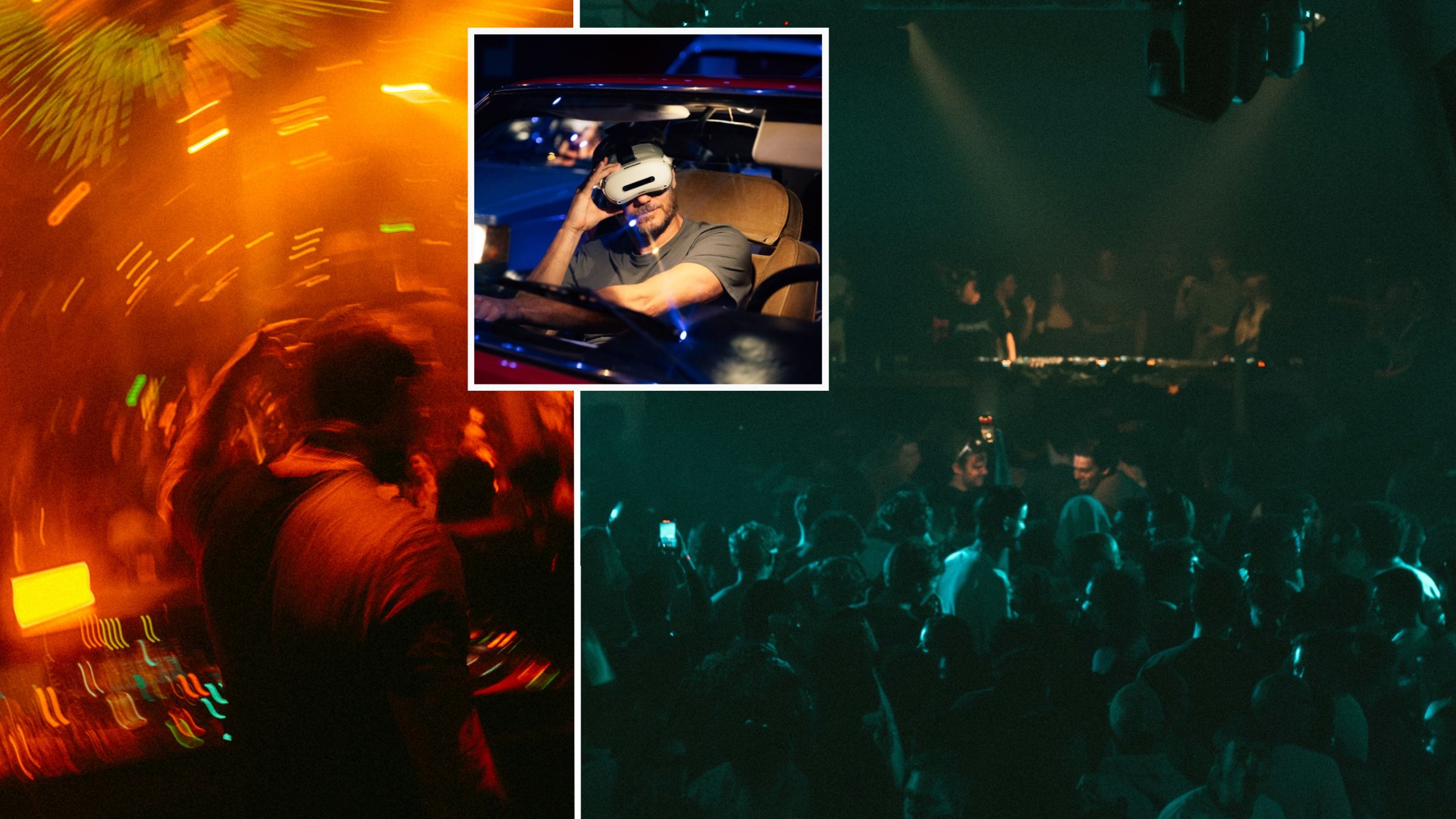
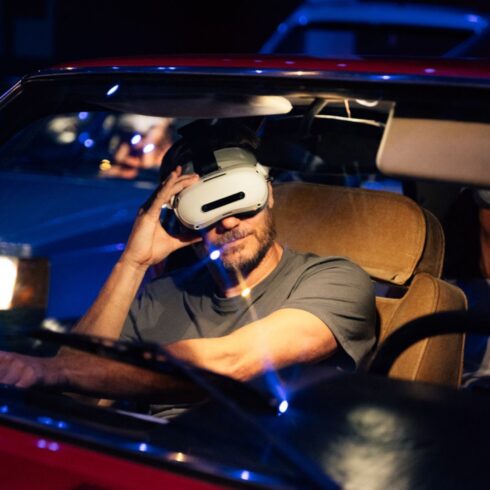
Towards the end of the tour you can climb into the front seat of the old Renaults and Talbots driven from one club to the other, put on an audio visual headset and take a walk through one of the clubs.
It’s certainly not a substitute for the real thing, but you can at least imagine.
Imagination was, after all, what made La Ruta so special.
- Location: Bombas Gens Centre d’Arts Digitals, Valencia (Avinguda de Burjassot, 54).
- Dates: Running now until February 1, 2026.
- Price: From €9.50.
Click here to read more Valencia News from The Olive Press.