
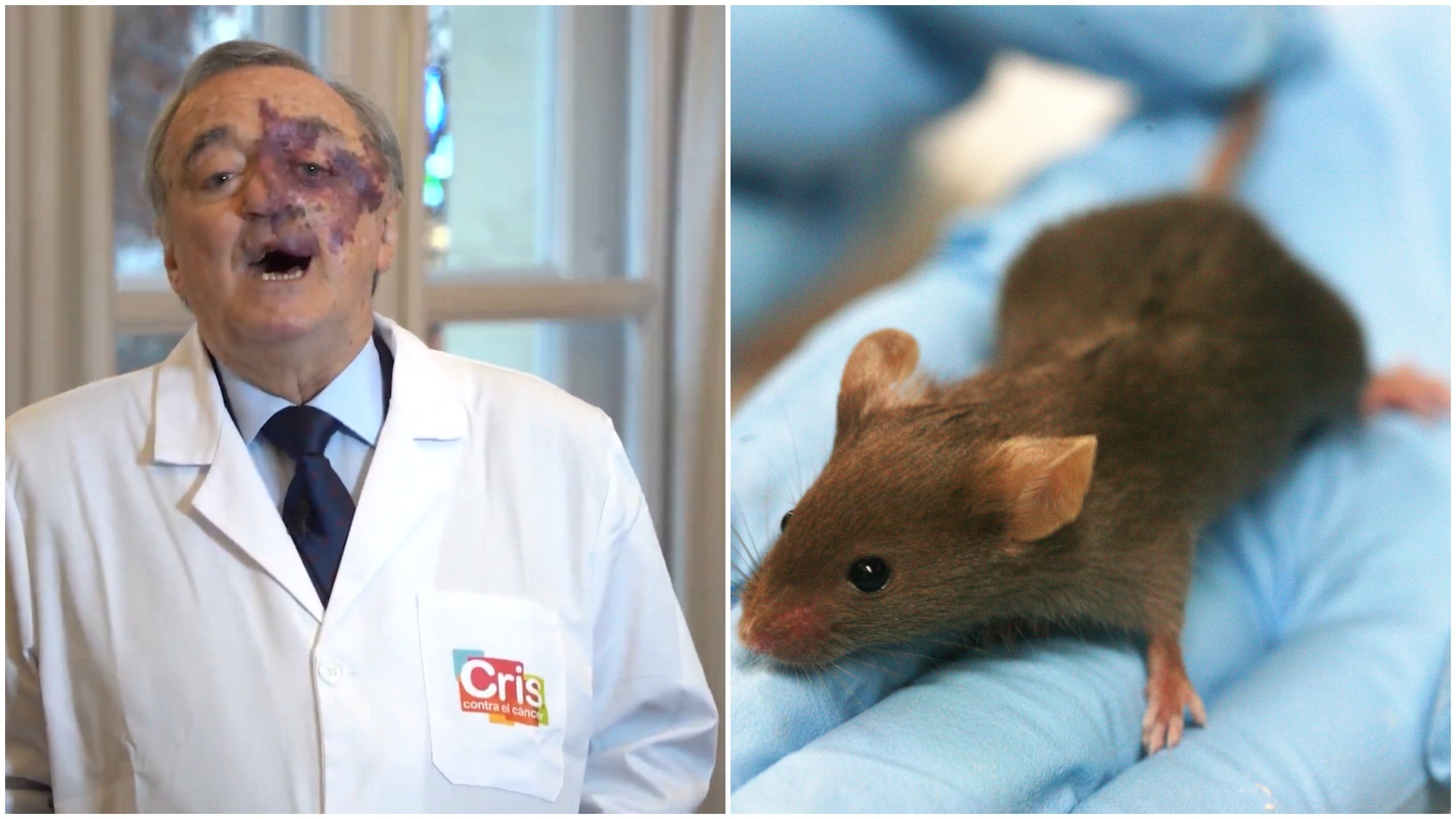
A CURE to one of the deadliest forms of cancer could be closer than first thought after a team of Spanish researchers successfully treated pancreatic tumours in trials using mice.
Scientists from the National Cancer Research Centre (CNIO) in Madrid, led by leading oncologist Mariano Barbacid, eliminated pancreatic cancer cells by treating the mice with three low-toxicity drugs.
The breakthrough opens the door to groundbreaking treatment in humans with the triple therapeutic combination set to go through clinical trials.
“For the first time, we have achieved a complete, lasting response with low toxicity against pancreatic cancer in experimental models,” said Barbacid.
“These results indicate that a rational strategy of combination therapies can change the course of this tumour.”
The research focused on the most common type of pancreatic cancer – pancreatic ductal adenocarcinoma – which accounts for 90 per cent of all cases in humans.
READ MORE: New cancer cases in Spain are expected to exceed 300,000 for the first time in a single year
According to the Spanish Society of Medical Oncology (SEOM), over 10,000 people are diagnosed with the disease in Spain every year – with less than 10 per cent of patients surviving more than five years after diagnosis.
Signs and symptoms of the most-common form of pancreatic cancer can include yellow skin, abdominal or back pain, unexplained weight loss, light-coloured stools, dark urine and a loss of appetite.
Usually, no symptoms are seen in the disease’s early stages and symptoms that are specific enough to suggest pancreatic cancer typically do not develop until until the disease has reached an advanced stage.
By the time of diagnosis, pancreatic cancer has often spread to other parts of the body.
Pancreatic cancer rarely occurs before the age of 40 and more than half of cases of pancreatic ductal adenocarcinoma occur in those over 70.
However, early-onset pancreatic cancer is becoming more prevalent, disproportionally so in younger women.
Risk factors include tobacco smoking, obesity, diabetes and certain rare genetic conditions.
About 25 per cent of cases are linked to smoking and 5-10 per cent are linked to inherited genes.
Click here to read more Spain News from The Olive Press.