
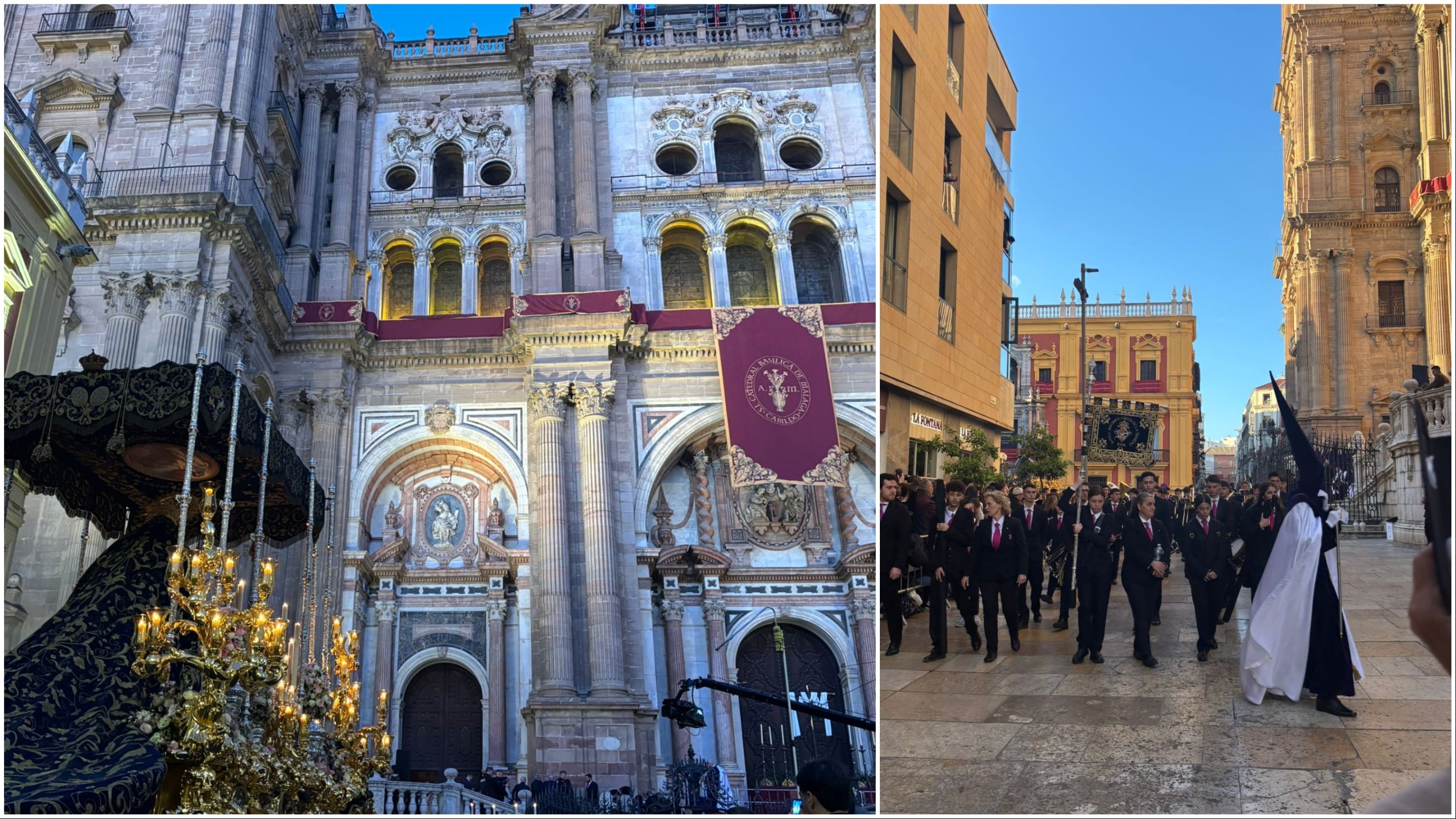
A PRISONER has now been released as part of a Semana Santa procession that transformed a southern Spanish city.
Yesterday, the streets of Malaga were heaving as people watched a convict be freed in front of the city’s cathedral as part of a tradition that dates back to the 18th century.
Jose R. C. was given an official pardon, approved by the government, and let go as part of the Jesus El Rico procession.
READ MORE: Prisoner convicted of violent assault to be freed as part of quirky Malaga Holy Week tradition

Kneeling in front of the image of Jesus and given a blessing, Jose R. C. was freed as part of a ceremony that symbolises redemption and mercy.
He is the latest to be freed in this way but hundreds of convicts have participated in the procession before.
It all started in 1759 when a plague killed many and left others severely ill.
With no healthy men to carry religious thrones, all Holy Week processions were cancelled.
Upon hearing this news, the inmates at Malaga jail asked King Carlos III if they could leave their cells to carry an image of Jesus El Rico through the streets. In doing so, the parade would be able to go ahead.
This plea was however denied as authorities feared the prisoners would escape during the event.
Ironically, the inmates then staged a mutiny, broke out of jail, headed to the church, took the statue of Jesus El Rico and carried it through the streets of Malaga.
They walked around the areas that were most affected by the devastating plague with the image on their shoulders before returning to their cells.
Not a single prisoner escaped and so, impressed by this devotion and the fact that the plague allegedly subsided soon after the incident, the King stated that the Brotherhood of El Rico would have the right to release a prisoner during Holy Week every year.
In recent history this promise has only been broken during the Spanish Civil War and temporarily in 2017 due to procedural issues.
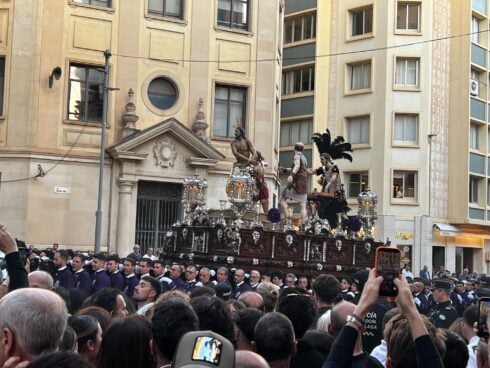
Nowadays the ceremony involves a procession of multiple stages that begins with participants leaving the brotherhood house (Casa Hermandad) with numerous large floats.
This first stage symbolises the beginning of Christ’s journey to Calvary and is followed by the movement of a guiding cross (cruz guía) and then a float that depicts Christ carrying the cross whose image blesses the entire crowd.
It is after these steps that the prisoner is released.
The process involves civil, judicial and religious authorities and is televised live.
In the crowd, speeches are difficult to hear but the most devoted individuals were seen to hold their phones up to their ears to listen in to every word.
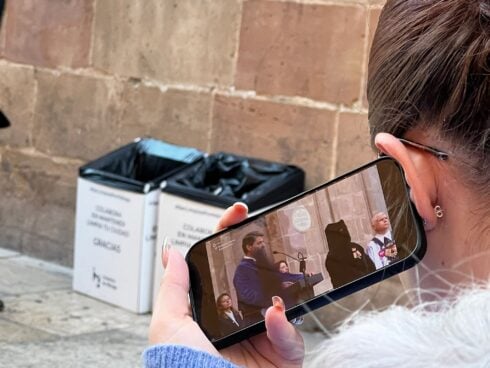
Once released the final float appears and then the entire procession passes through the central streets of the city before it returns to its starting point.
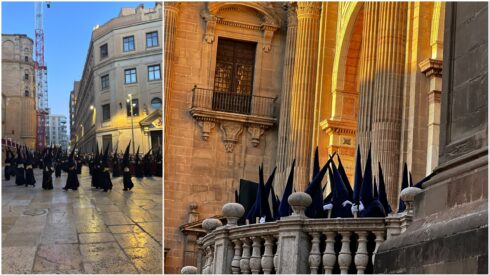
Involved on the day are Nazarenos who are members of the Catholic brotherhood donned in tall, pointed hoods that walk in silence to repent their sins.
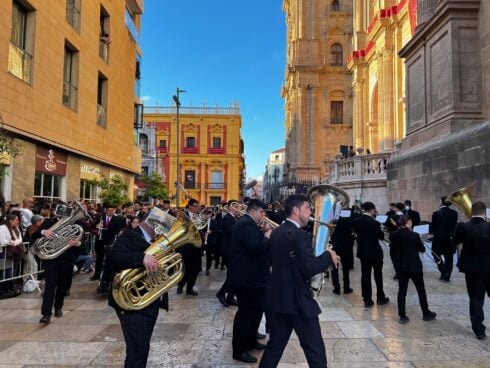
Also seen throughout the evening are bands playing solemn tunes and women in mantillas (traditional dress).
This unique procession is a central part of Malaga’s Semana Santa celebrations with people gathering to secure their spot in the front of the crowd as early as two hours before it begins.
Teenagers, the elderly and entire families are among those that filled the streets yesterday to watch Jose R. C. be freed.
Jose R. C. had been imprisoned for bodily harm in 2024 making this an unusual case as usually the prisoner involved in the procession is not one that was convicted for violent crimes.
For Jose R. C. to be released yesterday, he went through a pardon process which included analysis of the reports of the sentencing court and the public prosecutor’s office.
READ MORE: Feeling peckish? Here’s six typical Easter dishes to savour during Semana Santa in Spain
These reports noted his good behaviour while in jail leading his pardon to be approved last week.
Malaga’s Holy Week events continue over the coming days, culminating on Easter Sunday with the procession of the resurrected Christ.
Click here to read more Malaga News from The Olive Press.