

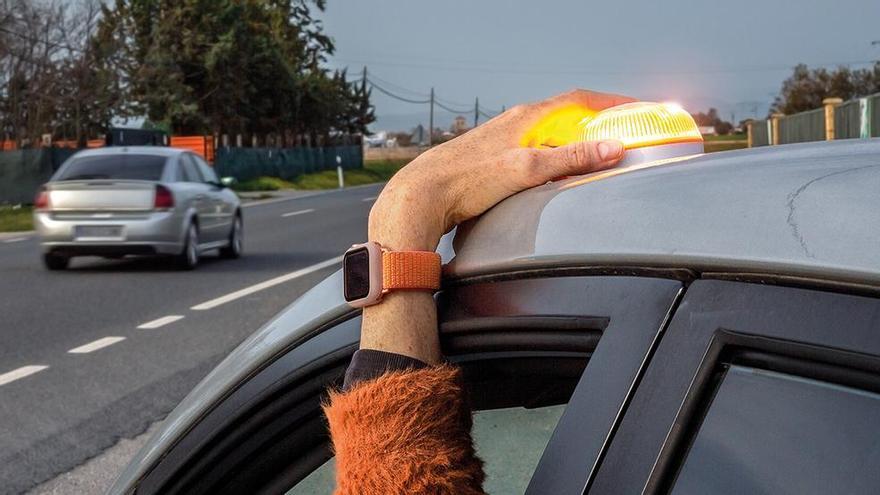
FIVE more V16 emergency warning beacons have been removed from Spain’s official approval list following a new update from the DGT traffic body.
Nine devices have now lost their certification, although they remain legal in some cases.
If you have a V16 beacon, now is the time to double-check the make and model.
A V16 beacon is a small, battery-powered warning light that drivers place on top of a vehicle if it breaks down or is involved in an accident.
The latest update affects the following devices: ISSE Safety Light, ISSE Safety Light 2, Dunlop V16, Swiss Drive V16 and V16eurolight.

All of them have had their technical type approval certificates revoked, meaning they can no longer be sold in Spain.
The move appears to be due to the models no longer being produced, however, the DGT doesn’t always provide detailed explanations for each case.
If you already own one, there is no need to panic.
The DGT has confirmed that these beacons can still be used until the end of their natural lifespan.
The key difference lies between selling and using the devices.
Sales are banned from the moment approval is withdrawn, but drivers who already have one can continue to use it without restriction.
One concern for many drivers is what happens if the manufacturer disappears, especially when it comes to connectivity with the DGT 3.0 platform.
Even if the manufacturer’s systems shuts down, the DGT itself guarantees the signal will continue to be transmitted correctly for up to 12 years.
This latest recall is part of a wider monitoring system required under Spanish regulations.
Manufacturers are subject to regular checks, starting within a year of certification and continuing at least every two years.
If any issues or non-compliance are found, companies are given time to fix them.
Failure to do so can result in certification being revoked.
That is the reason why the official list of approved devices is changing so frequently.
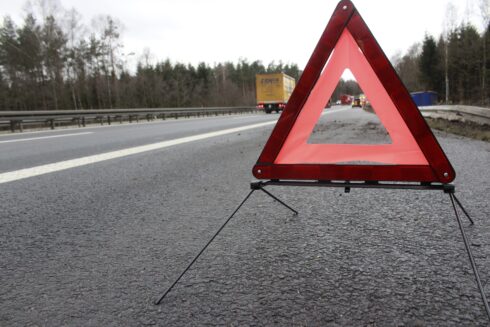
Since January 1, V16 warning lights have been mandatory on Spanish roads, permanently replacing the old emergency triangles.
To be legally sold, a V16 beacon must meet strict requirements.
These include a yellow light visible in 360 degrees for at least 30 minutes, a battery life of no less than 18 months, and real-time connectivity to transmit the vehicle’s location via the DGT 3.0 system.
Only models listed in the official DGT registry meet all these conditions.
Despite the recent withdrawals, drivers still have plenty of choice.
There are currently more than 300 approved V16 devices on the market, with testing centres continuing to certify new models.
For drivers planning to buy a new beacon, the advice is straightforward: always check the latest official list before making a purchase.
Doing so ensures you avoid ending up with a device that cannot legally be sold in Spain.
Click here to read more Spain News from The Olive Press.