
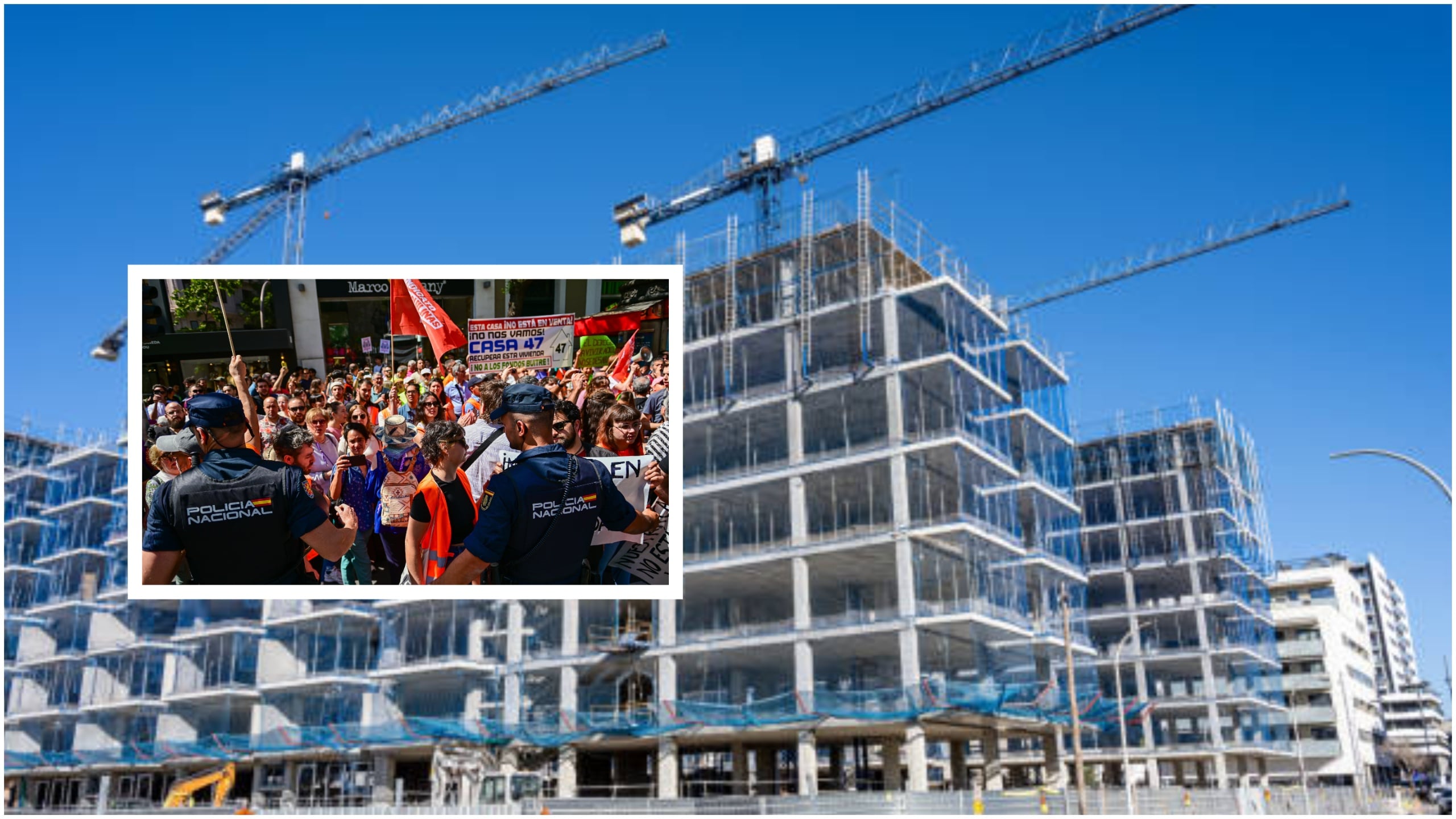
A NEW study claims Spain has enough land for up to three million new properties, but much of it remains unused with town councils and private developers accused of hoarding land.
Despite facing a housing shortfall of 700,000 and rising property prices, economist Ignacio Ezquiaga says millions of new homes could be built but they are trapped on frozen land.
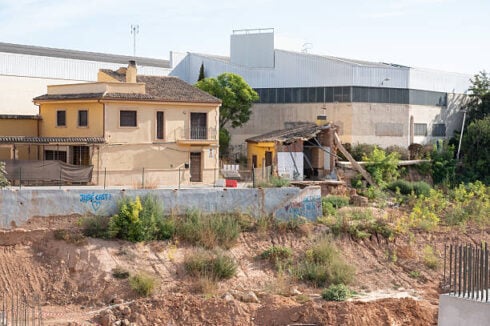
In a study published by the Civic Circle of Opinion, Ezquiaga says that of the three million, around 1.5 million are in Spain’s 15 largest metropolitan areas, including Madrid, Barcelona and Valencia.
Ezquiaga claims thousands of undeveloped plots are stuck in the ‘dead hands’ of private developers and local councils, blocking construction that could help ease Spain’s housing shortage.
According to Ezquiaga, 30% of undeveloped lots are in the hands of local councils while the remaining 70% are owned by private developers.

Ezquiaga argues that local councils lack the financial capacity to turn these plots into social housing and often opt instead to sell them for revenue or simply abandon them.
Private developers, he adds, also struggle with financing or profitability concerns, leading them to delay construction or strategically hold onto vacant land.
Spain therefore has enough developable land, but the system fails to convert it into completed homes creating what Ezquiaga calls a structural ‘conversion bottleneck’.

To understand this ‘conversion bottleneck’, Ezquiaga points to the 2008 and the bursting of Spain’s construction bubble.
In the aftermath, land once earmarked for housing became assets with an uncertain future.
Some plots passed into private ownership, while others ended up in the hands of local councils and have remained ‘paralysed’ for two decades.
Ezquiaga therefore argues: “The rise in housing prices cannot be attributed to a lack of land. It’s clear that if those three million apartments that could be built in urban areas were constructed all at once, prices would plummet.”
Click here to read more Property News from The Olive Press.