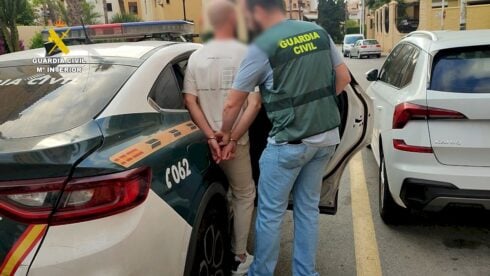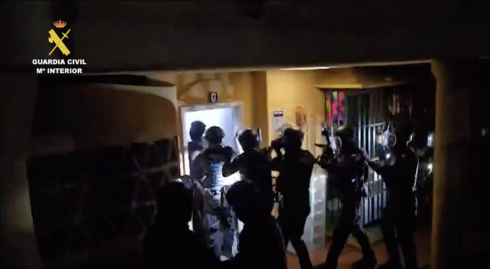
SPAIN’S record 30-tonne cocaine haul took 51 hours to incinerate, with an estimated street value of €812 million going up in smoke.
Almost two months after Guardia Civil officers made the record-breaking seizure near the Canary Islands on May 2, the massive shipment was destroyed at a high-security industrial incinerator.
The cocaine was gradually burned over 51 hours and 40 minutes in a carefully controlled process.
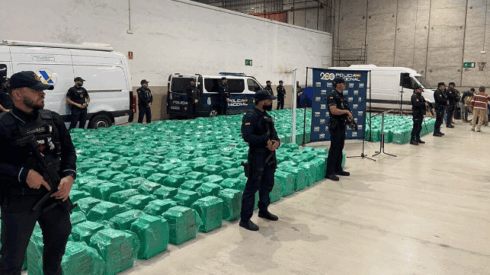
All but 29 kilograms of the cocaine was destroyed, with the remaining samples kept as evidence for the upcoming trial.
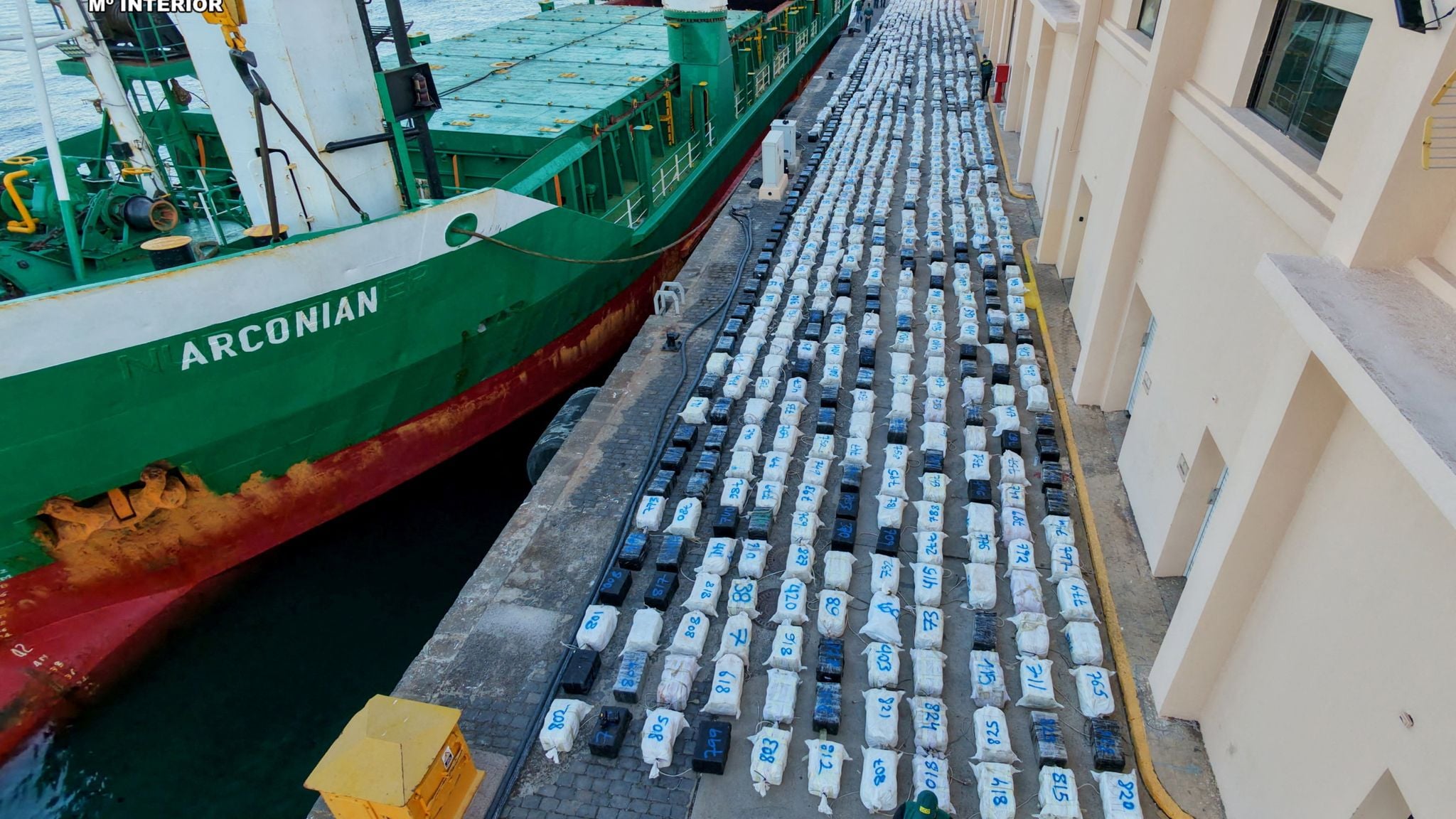
Officers from Spain’s Guardia Civil boarded the Arconian cargo ship on May 2 off the coast of Dakhla in Western Sahara.
On board they discovered 30.2 tonnes of cocaine, marking the largest cocaine bust at sea in European history.
This seizure smashes the previous record of 25 tonnes recovered by German police at the port of Hamburg in June 2024.
The Arconian was then escorted to Las Palmas in Gran Canaria and the drugs remained stored on the island until 19 May when they were loaded onto the Duque de Ahumada, the Civil Guard’s largest vessel.
Two days later the huge shipment arrived at an unnamed Andalucian port and was stored in warehouses there for about four weeks.
On Tuesday 19 May, the 30 tonnes of cocaine was transported in Guardia Civil trucks to an industrial incinerator.
On the 50km journey, the record-breaking bust was closely monitored by drones and helicopters to ensure the convoy was not ambushed by drug-traffickers.
After burning in the incinerator for 51 hours, the drugs were completely destroyed and the ashes were transported to landfill.
After burning for 51 hours in the incinerator, the drugs were completely destroyed and the remains taken to landfill.
Investigators are still trying to track down those behind the record-breaking shipment which authorities estimate had a street value of €812 million.
All 23 crew members of the Arconian were arrested and authorities immediately began to suspect the involvement of the Mocro mafia, a violent Dutch-based criminal network that controls large parts of Europe’s cocaine trade.
Dutch authorities promptly issued a €200,000 reward for information leading to the arrest of drug trafficker Joseph Johannes Leijdekkers, better known as ‘Jos el Gordito’.
Leijdekkers is believed to be one of the masterminds behind the huge shipment, although his brother has been arrested, he remains on the run.
Click here to read more Crime & Law News from The Olive Press.