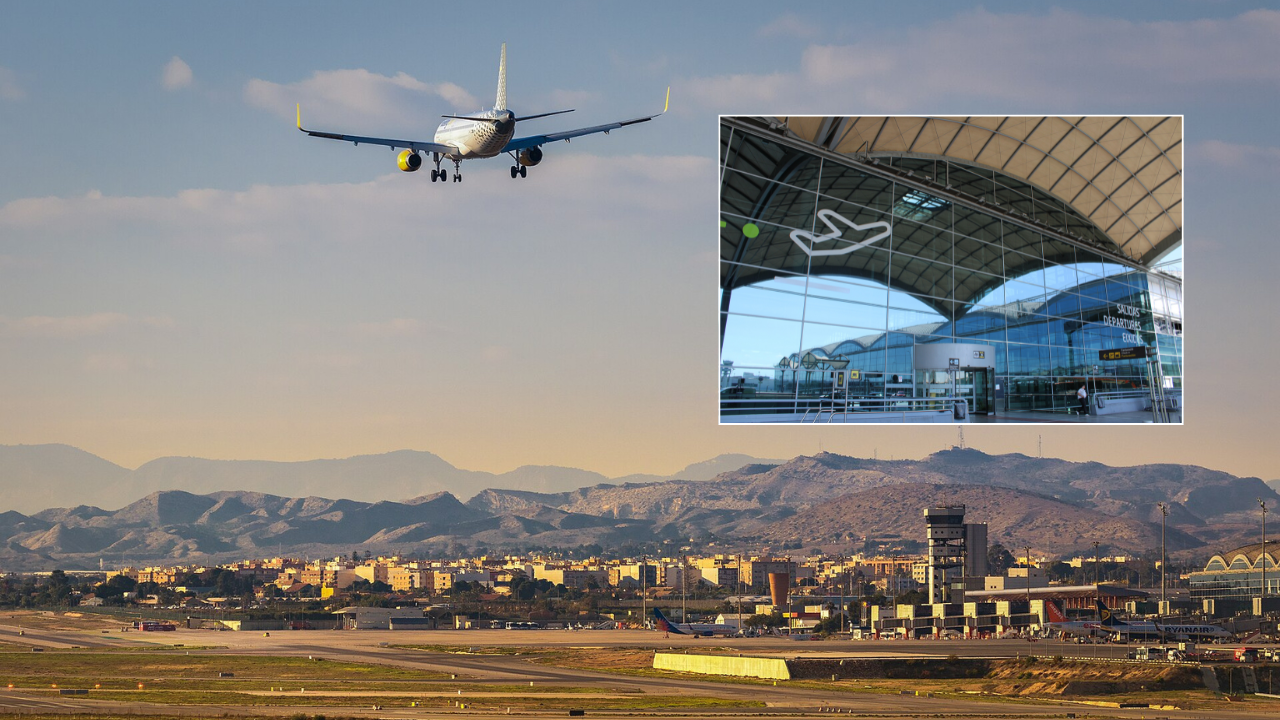
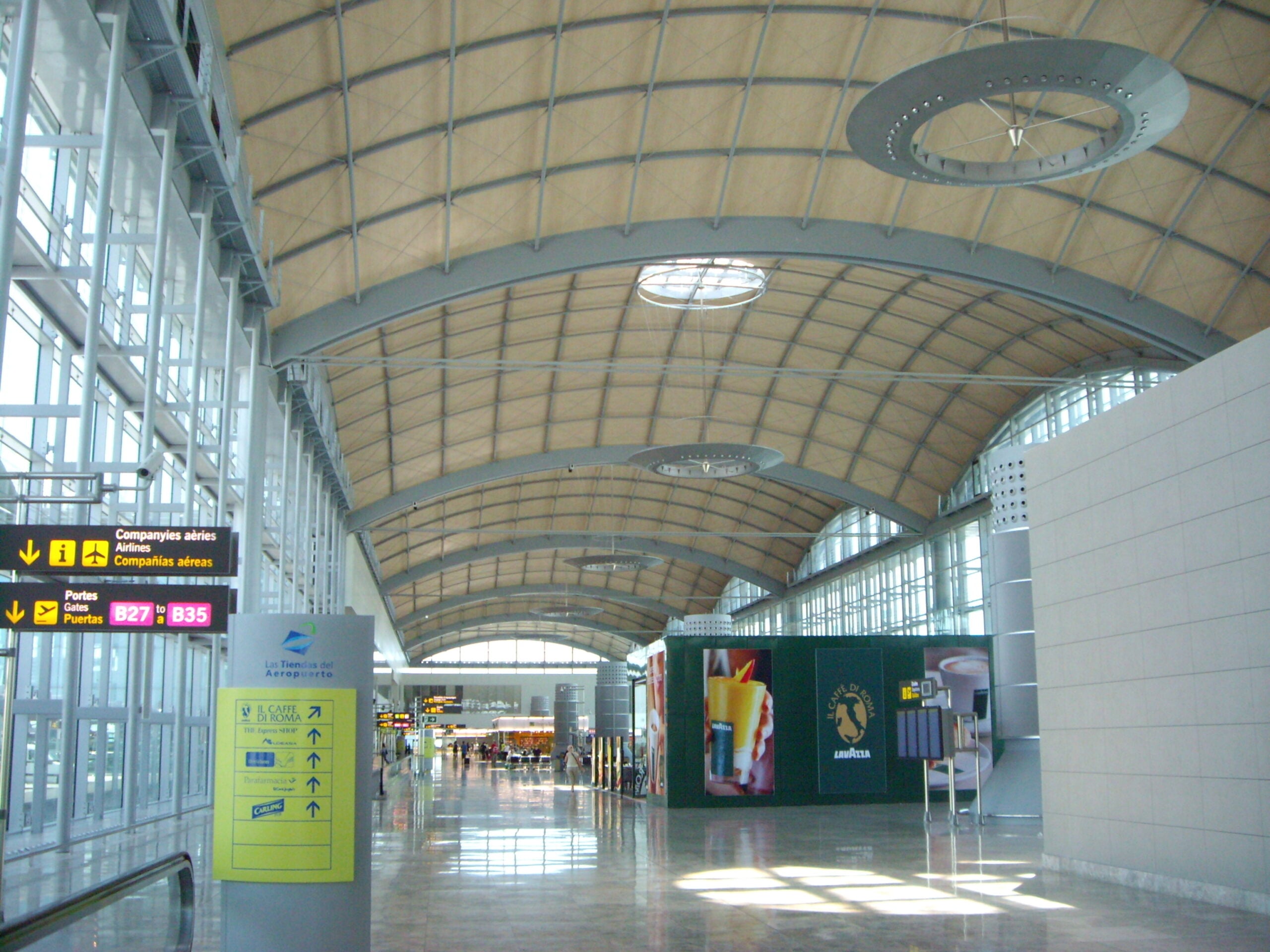
BRITS travelling to and from the Costa Blanca will soon enjoy smoother journeys after a €1 billion overhaul of Alicante Airport was given the green light.
Spanish airport operator Aena will invest a record €1.154 billion into improvements at Alicante-Elche Miguel Hernandez Airport – the biggest upgrade in the airport’s history – as passenger numbers continue to soar.
The airport handled a record 19.95 million passengers in 2025 and is expected to surpass the 20 million mark this year, almost double the total recorded a decade ago.
That rapid growth has convinced airport bosses that a major expansion is now essential – particularly for British travellers, who make up one of the airport’s largest groups of international passengers.
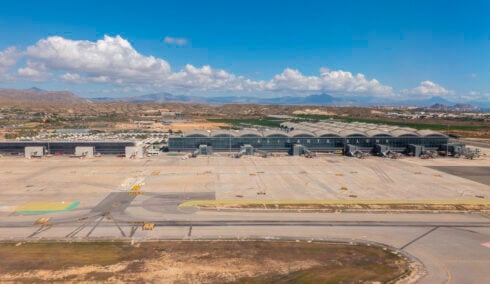
Alicante’s terminal will increase in size by almost 30 per cent, including the construction of a new dedicated pier for all non-Schengen departures, meaning flights to the UK will finally have their own purpose-built departure area.
The existing security area will be upgraded with next-generation technology.
That includes Automated Tray Returns Systems (ATRS) and improved scanners which will allow passengers to keep items including laptops and liquids in their hand luggage during screening.
British travellers will also benefit from an array of new commercial spaces, including a dedicated VIP lounge for non-Schengen departures.
Outside the airport, a redesigned landside area will include expanded car parking and new taxi and bus drop-off zones.
Travelling to and from the airport will also be made easier with a planned rail link.
READ MORE: There is ‘no need’ for a second runway at Alicante airport, insists Spain’s transport minister
Currently, the airport is accessible only by road, but that is set to change after Aena and railway operator Adif agreed to build an underground station that will connect to the Alicante-Elche C-1 commuter line.
Of the €1.15 billion total earmarked for the improvements, €453 million will be invested in the first phase, coming from 2027 until 2031.
The remaining €701 million will be kept back for the following cycle, meaning works will extend into the mid-2030s.
Before construction can begin, the investment proposals must go through a formal consultation process with airlines, overseen by Spain’s National Commission for Markets and Competition and the Directorate General of Civil Aviation.
They will also be discussed with regional bodies including the Valencian government before being formally incorporated into Aena’s investment plan.
Click here to read more Spain News from The Olive Press.