AVOCADOS have become a staple on menus everywhere.
From brunch spots to trendy cafés serving avocado smoothies, this so-called ‘superfood’ is now in huge demand across the EU.
But hundreds of kilometres away from those cafés, another reality is unfolding in the hills of southern Spain.
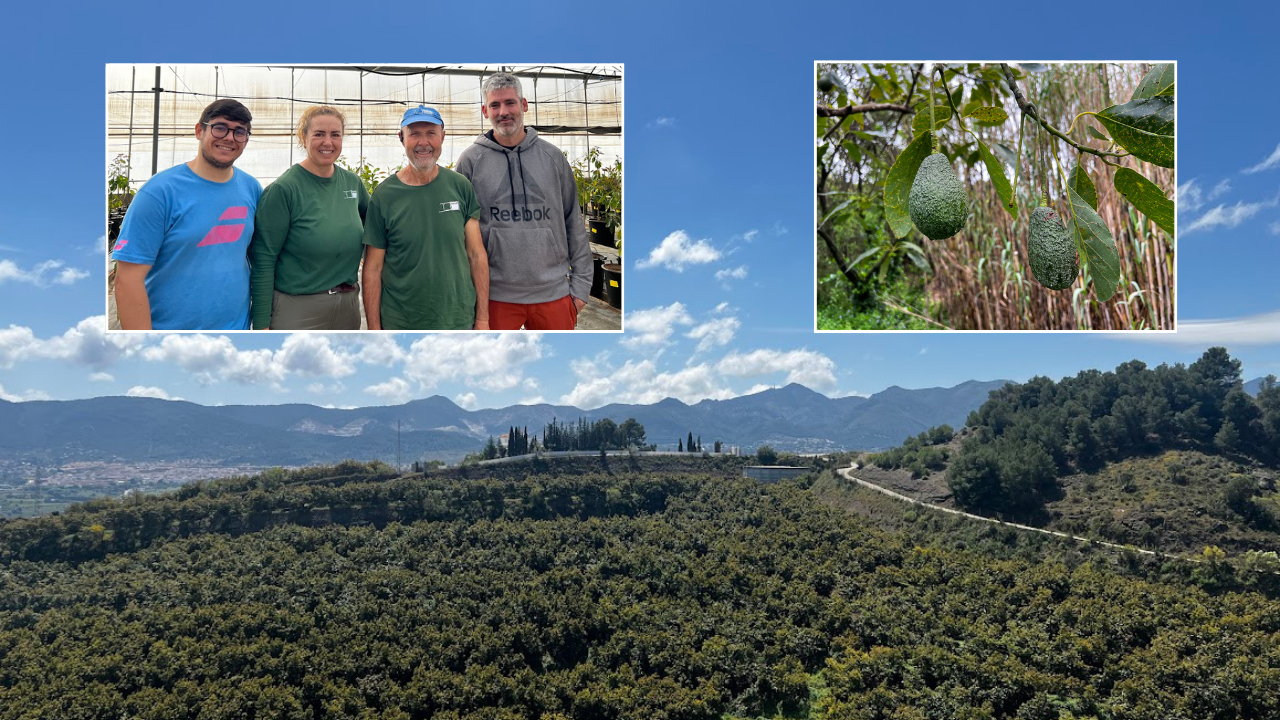
Driving through the Axarquia region of Malaga, rows of bright green avocados now stretch across hills once covered with olive and almond groves, while drought lines around reservoirs reveal how fragile this agricultural boom has become.
Years of severe drought have pushed farmers into an increasingly difficult situation.
Reservoir levels dropped in this area below 10%, leading to strict water restrictions, which in turn left many avocado growers struggling to keep their trees alive.
The same issue is now also affecting parts of Valencia, the Algarve and also the Canary Islands, with the trees among the thirstiest around.
In 2026, one key question remains: can these areas continue to feed Europe’s insatiable demand for avocados without exhausting its water resources?
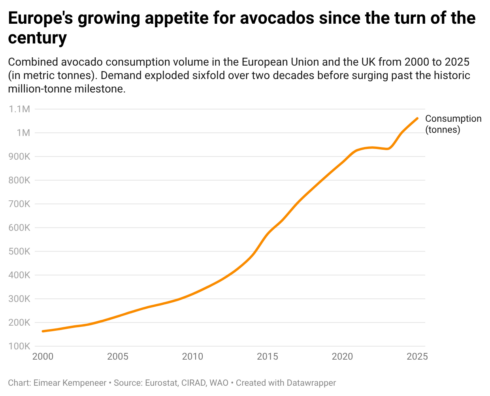
Avocado consumption across Europe started to see a particularly sharp rise from 2010, which aligns with the launch of Instagram.
The platform is known to have heavily influenced digital food culture and propelled visually appealing superfoods into the mainstream.
Today the avocado is no longer a rare luxury item but a mass market product deeply embedded in daily consumption across Europe.
Yet back in the 1990s the avocado was still a culinary curiosity in Europe.
During the low-fat diet craze it was often labelled as too fatty and remained a luxury item, mostly appearing at dinner parties in dishes like the classic prawn cocktail.
As its fashionability grew the Malaga region saw many farmers digging up traditional citrus crops in favour of the new ‘green gold’ due to profitability and demand.
The trees were seen as a big economic success until 2019 to 2025, when Spain experienced years of severe drought.
Reservoir levels fell, groundwater reserves declined and water restrictions became increasingly common. For avocado growers, the consequences were significant.
READ MORE: One of Europe’s biggest megalithic sites discovered in southern Spain while planting avocados

Because avocado trees require regular irrigation throughout the year, many farmers struggled to maintain production as water became increasingly scarce.
But this year things have changed. After a winter of heavy rain, water levels in reservoirs reached nearly full capacity for the first time in more than a decade.
But while water restrictions have now been lifted, farmers are not taking any chances and are already preparing for future droughts, which will certainly come.
The growing uncertainty has motivated scientists and farmers to explore new ways of managing water resources and developing more sustainable methods of avocado farming.
The Institute of Subtropical and Mediterranean Horticulture La Mayora (IHSM) is one of the key research centres looking at water stress on avocados.
READ MORE: Superfood: Study finds big Spanish export the avocado is good for your heart
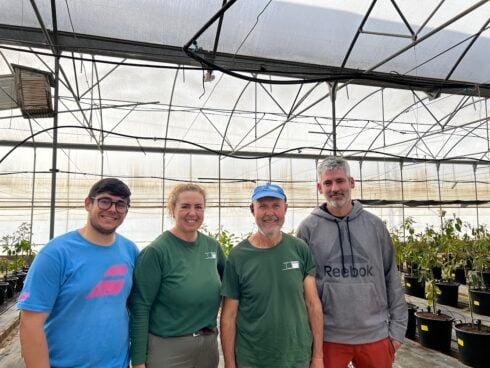
The Malaga centre has one of the world’s largest germplasm collections, a living bank of different avocado varieties, to compare, test, and develop more resilient plants.
One of the main reasons avocados need so much water is because their roots are naturally short and shallow.
It means trees can only absorb water close to the surface and during dry periods, the upper layer dries out quickly, creating water stress.
One solution is the use of fungi, with one type, microzoan, naturally connecting to the plant roots, which then form a large underground network of microscopic threads called ‘hyphae’.
These threads are much thinner than roots and can reach small spaces in the soil that the plant itself cannot access.
The main goal of the project is to identify the most efficient irrigation level possible, while still maintaining healthy avocado production.
Early results suggest that reducing irrigation to around 60% does not significantly affect the size or weight of the fruit, which saves vital water in drought times.
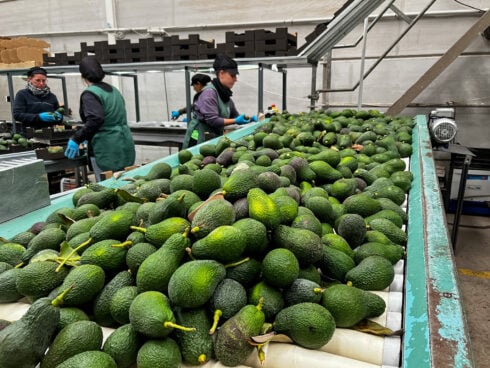
Another solution is the use of sensors, small devices that collect information from the soil and the weather and help farmers to better understand exactly what their trees need.
The aim is to make farming more efficient by using water, fertilizers, and energy more carefully.
Weather stations are also becoming increasingly common to monitor temperature, humidity, sunlight, rainfall, and wind.
Farmers can use this information to respond more quickly to changing weather conditions and adjust irrigation or other farming practices when needed.
Overall, sensor technology allows farmers to rely less on estimation and more on real-time data through an app.
The last innovative solution focuses on water itself, and how farming can adapt to changing availability by rethinking where irrigation water comes from and how it is used.
Click here to read more Spain News from The Olive Press.