
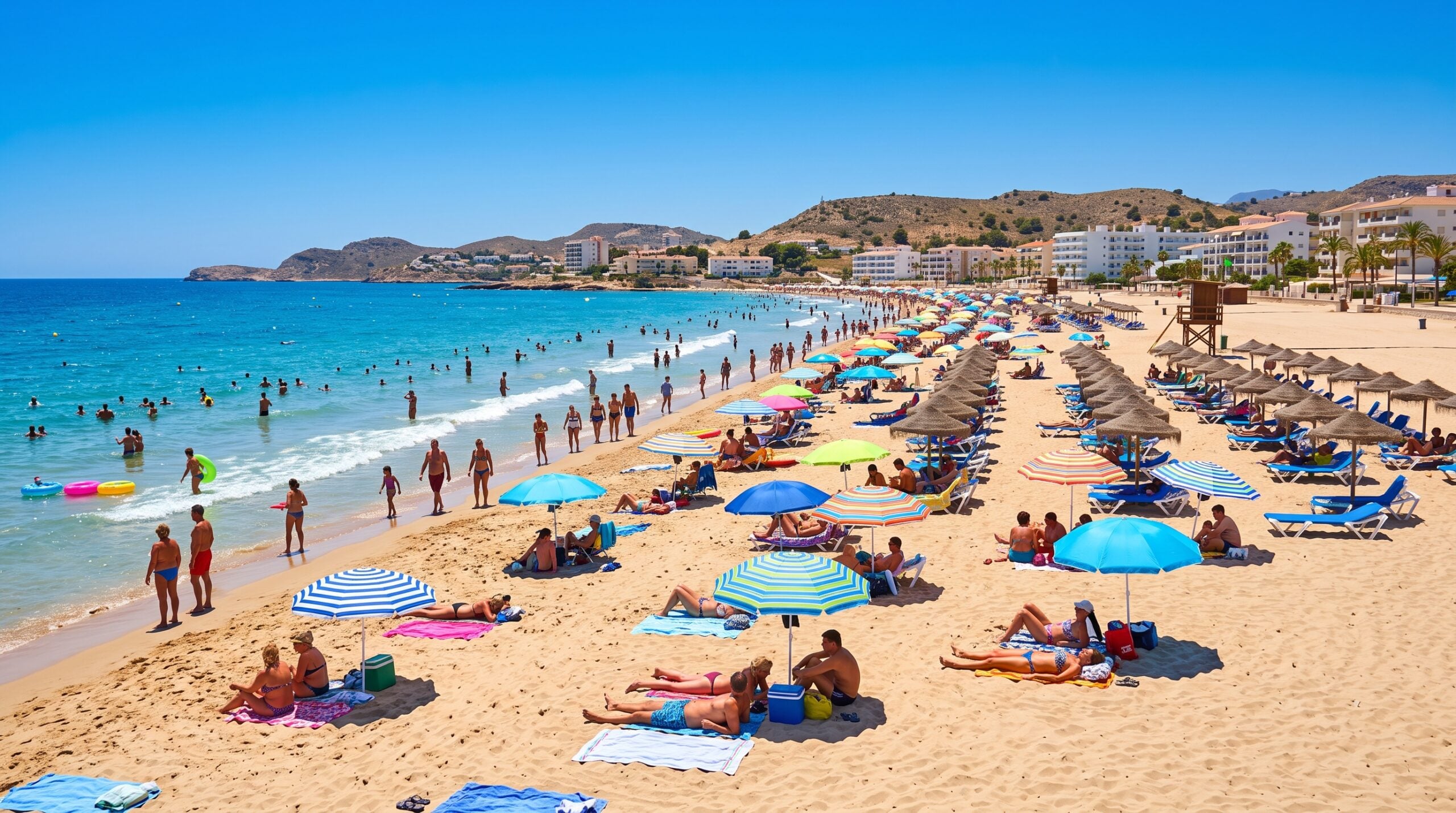
SPAIN has sweltered through its hottest and longest summer on record this year, with blistering conditions stretching across four full months and even in late September showing few signs of easing.
The unseasonal blast has continued into this week, with 12 weather stations reaching or topping 36C on Monday, September 21.
Mercury levels pushed to 37C or higher in parts of Huelva in Andalucia, Tarragona in Catalunya, and Ourense in Galicia.
On Tuesday, one in eight stations across the State Meteorological Agency (AEMET) network exceeded 35C, while parts of Badajoz, Huelva, and Ourense breached 39C.
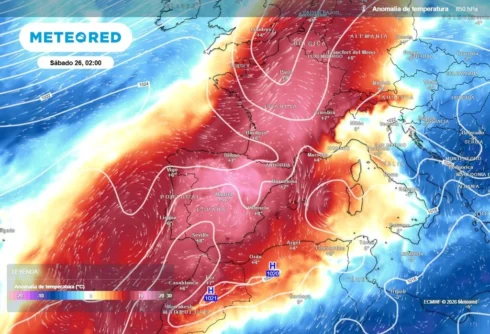
Historic September records also tumbled in Catalunya, where Barcelona’s century-old Fabra observatory logged 33.3C, breaking its previous September peak set in 1983.
Reus airport in Tarragona reached 35.6C, beating its previous record set in 2023 by more than 1C.
And the hot weather is set to continue into the weekend, with traditional furnaces Sevilla and Corboba tipped to hit 39C on September 26.
Jose Miguel Viñas, a weather forecaster with Meteored, has even tipped Spain to see its first day of 40C temperatures in the month of October.
Rather than sticking to the traditional three-month calendar window, summer conditions have effectively lasted for four months, beginning in mid-May and lingering well into late September.
The unseasonable heat began aggressively early, with average temperatures running 5C above normal during a stifling warm spell between May 19 and June 3.
READ MORE: How quickly do solar panels and battery storage pay for themselves in Spain?
June ranked as the second hottest and third driest on record, beaten only by the scorching temperatures of 2025, while August was the sixth hottest ever recorded.
Across the summer, the country endured five distinct heatwaves, including a punishing 23-day scorcher in July and a 24-day marathon running from late July into August.
The highest temperature recorded at a principal weather station was 44.2C in Murcia on July 23.
Granada airport followed closely behind at 43.9C on August 22, matching the Alcantarilla air base in Murcia on August 15, while Valencia airport peaked at 43.7C on August 19.
READ MORE: Spain has a new ‘arty city break’ of choice that Brits are flocking to, according to The Times
AEMET figures confirm the average peninsular temperature between June 1 and August 31 (including nighttime temperatures) reached 24.5C.
That sits 2.4C above the normal average for the 1991 to 2020 reference period, beating the previous record set only last year by 0.3C.
Climatologists who reconstructed climate series stretching back 157 years to 1869 found no hotter summer in Spain’s recorded history.
Every one of the 10 hottest summers on record has now occurred in the 21st century.
The relentless heat was accompanied by severe drought, marking this as the third driest summer since official records began in 1961.
Average rainfall across the mainland reached just 39.6mm — barely 56% of normal levels — with July marking the driest month ever recorded in Spain.
Despite the parched summer, the overall hydrological year currently sits 6% above average, with 643mm of accumulated rainfall recorded across the mainland by September 15.
But this figure masks a severe distortion in how the rain fell, with half of the year’s total dumped in just three months between mid-December and mid-March.
Relief will be slow in coming, with AEMET forecasting a 60% to 70% probability that autumn will remain warmer than normal across the entire country.
Looking ahead, there is a 40% probability of heavier-than-normal autumn rain across northern and eastern Spain, as well as the Balearics.
The Canary Islands face a much drier outlook, with a 40% chance of below-average rainfall expected for the archipelago.
Later in the year, between October and December, predictions suggest a 50% to 70% chance of higher rainfall across the north, centre and west of the peninsula.
Forecasters warned this erratic pattern aligns exactly with climate change projections for Spain, which predict highly concentrated torrential downpours followed by extended droughts.
But AEMET is forecasting a drop in temperatures from the coming weekend.
Click here to read more Weather News from The Olive Press.