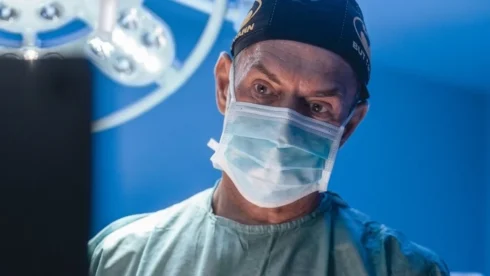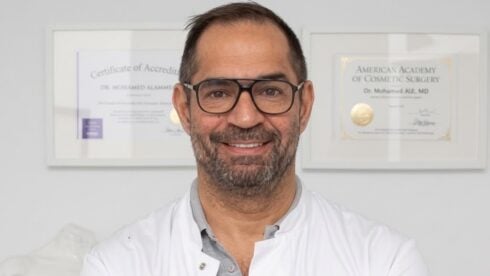

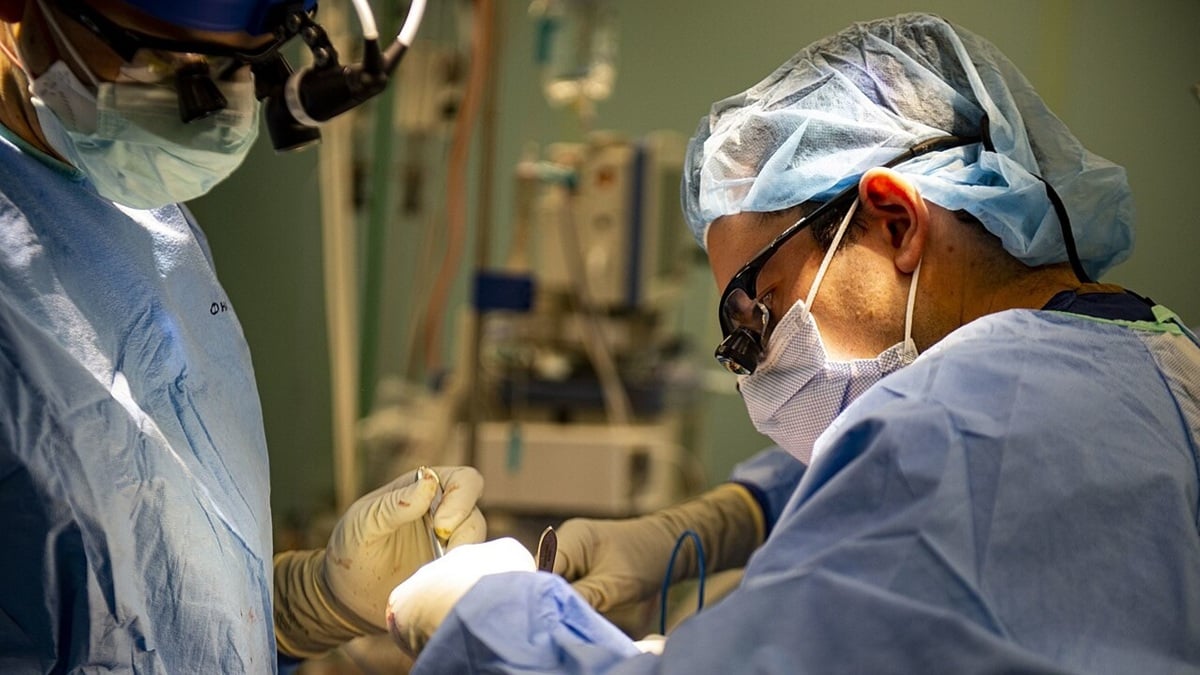
PATIENTS awaiting transplants have been offered new hope after Spanish doctors designed a technique to make donated organs last a lifetime.
Researchers from Madrid’s La Paz Hospital have already used the experimental method on two occasions, with both patients living healthy lives years on from receiving their new organs.
Spain’s National Transplant Organisation (ONT) has hailed the finding as an ‘exciting’ breakthrough, adding that the technique, if verified, could ‘radically change patients’ lives.’
One of the two experimental patients, 15-year-old boy Yassine, said: “I thought I did not have a future, but they saved me and now I can go on.”
The technique aims to prevent the body from rejecting a donated organ by teaching the patient’s immune system to accept it as its own, the researchers have explained.
It combines the organ transplant with an infusion of blood-forming stem cells from the same donor.
Doctors carefully process the cells before giving them to the patient, with the aim of conditioning the immune system to stop attacking the new organ.
Rejection remains a significant problem despite modern anti-rejection drugs, with around 10 to 15% of kidney transplant recipients suffering rejections within the first year, according to NHS figures.
Transplant patients normally have to take immunosuppressant drugs for the rest of their lives to prevent their immune systems from attacking the donated organ.
But these medicines also weaken the body’s defences against infections and other illnesses.
READ MORE: Quirónsalud Marbella becomes first private hospital in city to win ‘Optimal’ quality certification
By establishing tolerance between the two immune systems, the Spanish researchers hope patients could eventually require far less medication – or potentially stop taking it altogether.
Yassine received a complex multi-organ transplant in 2020, aged 15, after two previous transplants had failed.
Doctors replaced his stomach, intestines, pancreas, kidney and liver, making his case particularly challenging because of the risk of another rejection.
Now 21, he remains healthy more than six years later and has suffered no signs of organ rejection.
He takes only a tiny dose of a single immunosuppressive drug.
The second patient, Nora, 55, had already rejected three kidney transplants over two decades before receiving a kidney from her brother in 2021.
READ MORE: Malaga launches water watchdog after a summer of Costa del Sol beaches plagued by bacteria closures
More than five years later, the kidney is still functioning normally and she has been able to reduce her medication from three immunosuppressive drugs to just one.
Doctors say the results are particularly encouraging because both patients had previously been considered extremely difficult transplant cases.
The team has since carried out the technique on two more patients, and is monitoring them closely to see whether they can eventually come off immunosuppressants altogether.
Researchers hope the approach can eventually be used more widely and potentially adapted for other types of transplant.
However, the treatment remains experimental and the results from the first patients will need to be replicated in larger studies before it can become a standard transplant procedure.
The findings have been published in the scientific journal Communications Medicine.
Click here to read more Health News from The Olive Press.