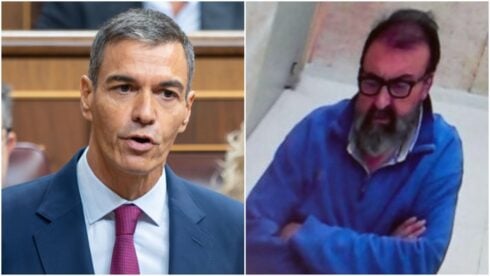

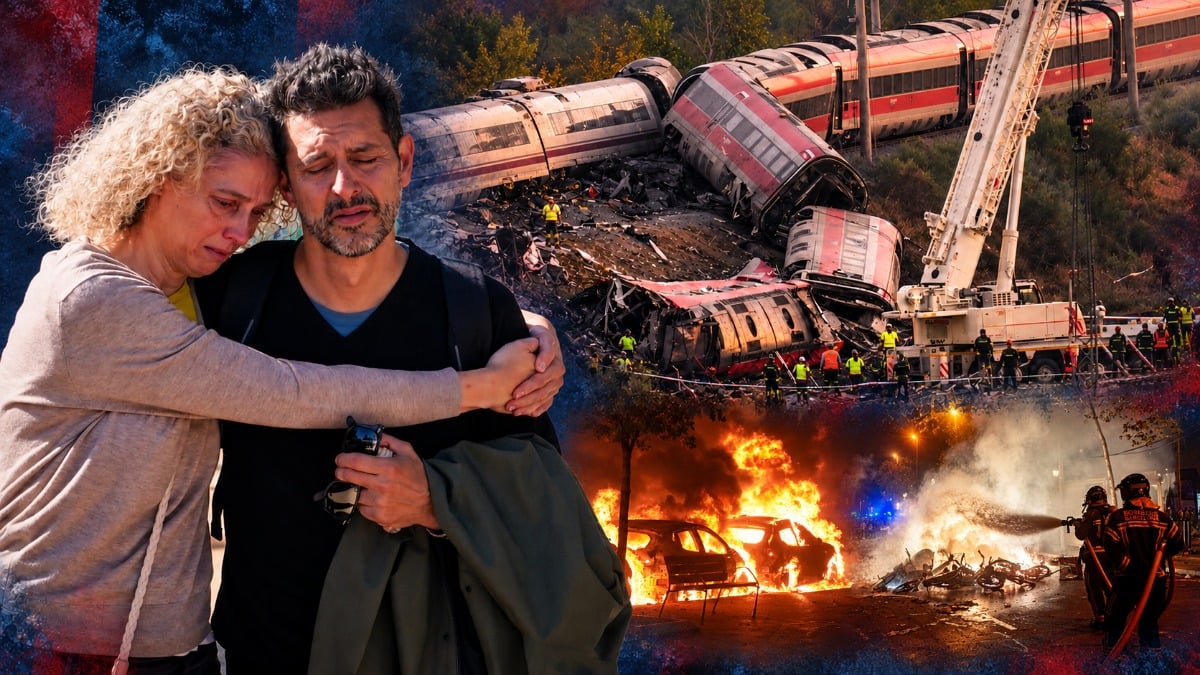
JUST as the week started, Spain’s politicians were choosing candidates and making election deals.
Then came burning streets, a deadly train crash and urgent questions about who could be trusted to keep the country safe.
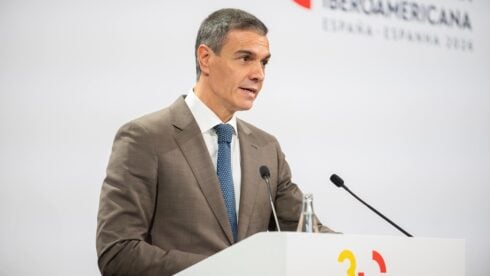
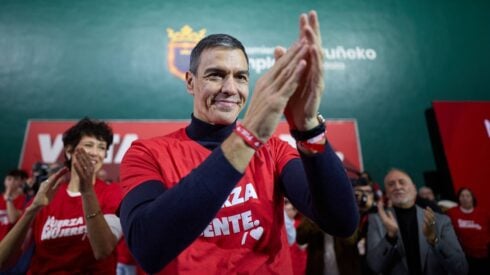
With the November 29 election less than a month away, prime minister Pedro Sanchez faces a difficult run towards polling day.
His government must explain the rail disaster while police investigate violent unrest and unions prepare for a general strike on November 11.
The change in the political mood is perhaps clearest in the fortunes of transport minister Oscar Puente.
On Monday, he was answering questions about whether he might one day succeed Sanchez as Socialist leader.
He said he had no such ambition, while acknowledging that people sometimes end up in roles they never expected.
READ MORE: Spain’s transport minister refuses to resign over Toledo train crash as elections loom
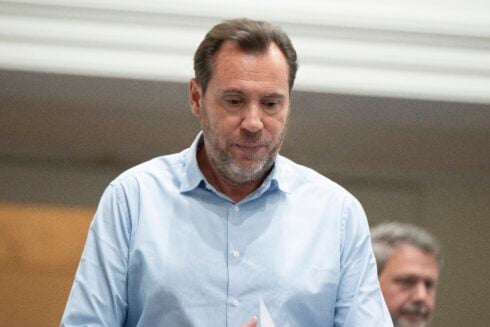
By Friday, the question was whether he would remain a minister.
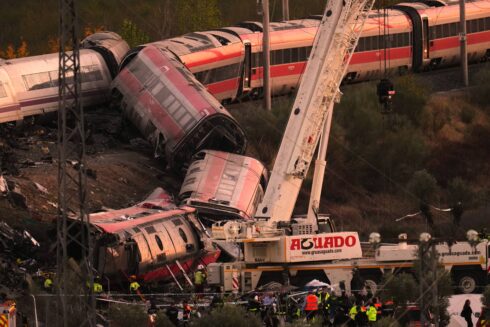
Between those two moments, a Renfe AVE and an Iryo train collided near Urda, in Toledo province, on Wednesday, October 28.
By Friday, the confirmed death toll stood at 69. Officials warned it could rise as work to identify the victims continued.
Sánchez announced three days of national mourning, from October 29 to 31.
“We will get to the bottom of this; if there has been negligence, it will come to light,” he promised.
But the search for answers quickly became a fight over responsibility.
Far-right Vox has filed a criminal complaint against Puente, alleging serious failures in his duty to oversee rail safety.
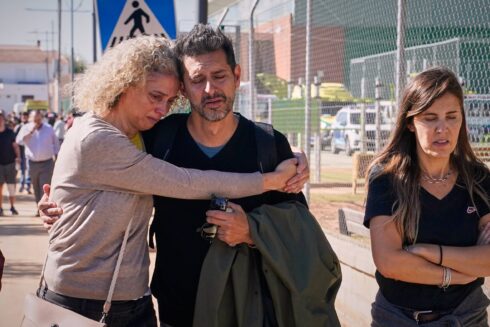
Puente has offered to leave if Sanchez wants him to, according to government sources quoted by EFE, the Spanish news agency. Yet he publicly ruled out resigning on Friday and said he would continue doing his job.
His next major test comes on Tuesday, November 3, when he is due to answer questions before Congress’s standing committee, which continues working while parliament is dissolved for the election. Sanchez has maintained his support for him.
What is Blocus?
Before the crash, it was the unrest in Barcelona that dominated the argument.
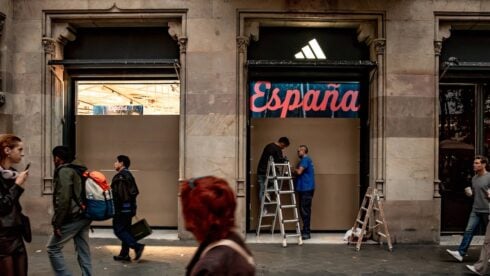
Violence broke out on Saturday, October 24, after an online call for a youth protest. Police reported 128 arrests, including 72 minors. Shops were looted and streets damaged.
Many people were left asking the same question: what was Blocus?
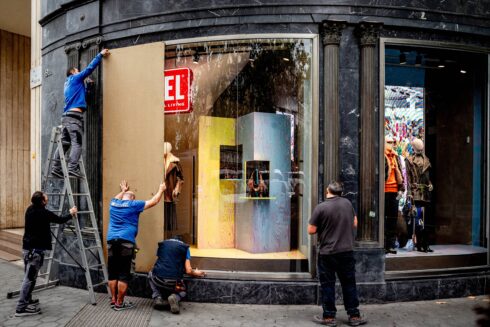
It was an anonymous online platform whose calls spread through TikTok and messaging groups.
It presented the protest as a demand for better schools, taking inspiration from student protests in France.
But its instructions also encouraged people to wear black, cover their faces and, if possible, bring fireworks.
Catalan police said some participants had gathered to commit crimes rather than demand better education.
Politicians offered competing explanations.
Gabriel Rufian, of the Catalan pro-independence party ERC, suggested the far right might be behind the Barcelona violence.
That was his suspicion, not an established police finding.
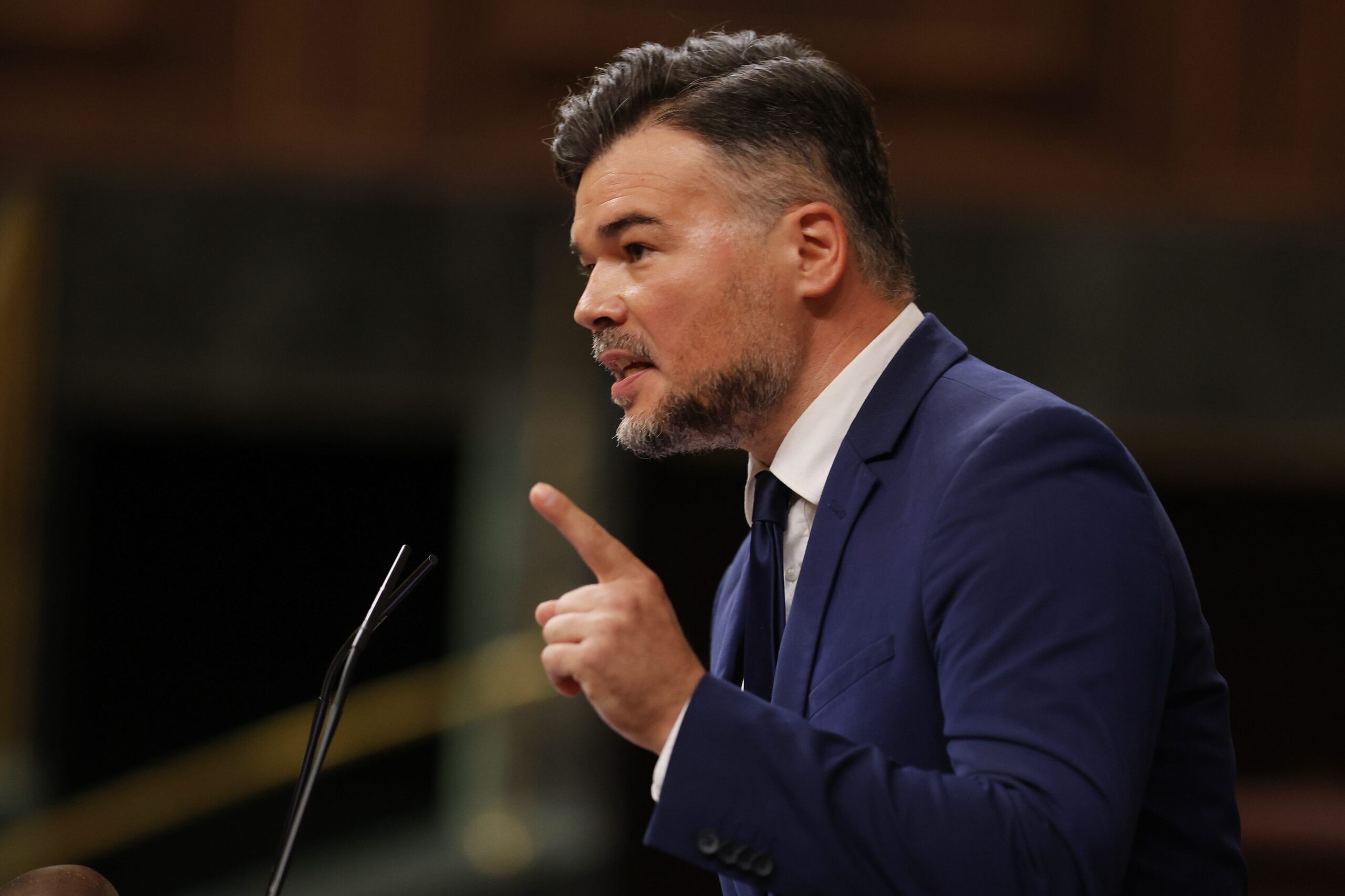
From the right, opposition leader Alberto Nuñez Feijoo accused the government of benefiting from unrest.
By Friday, police had arrested ten people in several provinces, including Malaga, over alleged online incitement linked to Blocus.
Police sources told EFE they had not established any extremist organisation or clear ideology behind the movement.
They suggested imitation of French unrest, amplified by social media, could help explain its spread.
There was also serious violence in Bilbao on Monday, but it followed a separate protest against a planned appearance by political agitator Vito Quiles.
Cars and bins were burned, shops attacked and 19 people arrested.
These different incidents should not be treated as one proven national plot.
All this has pushed the election deals further down the news agenda.
What happened to the upcoming elections?
The conservative PP and Vox agreed to limit competition between their candidates in parts of the country for the Senate, parliament’s upper house.
The arrangement aims to improve their chances against a joint Socialist and left-wing challenge.
In simple terms, parties are trying to avoid splitting votes among candidates on the same side.
But agreements between parties are only part of the election story.
The November 11 general strike will bring another source of anger back into focus: the cost of everyday life.
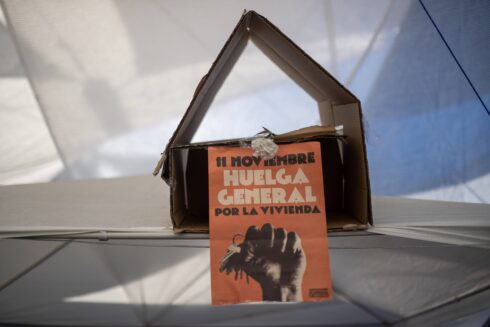
UGT, CCOO and other unions have called the strike over housing, wages and working conditions.
Their demands include action on rents, higher pay and shorter working hours.
UGT says the mobilisation was being prepared before the election was called.
Employers’ organisation CEOE has described it as an ‘electoral strike’ and announced plans to challenge it.
The unions reject the claim that it serves a particular party.
The walkout falls just two days before the official election campaign begins on November 13.
That leaves Spain approaching the election campaigns with several difficult questions at once: whether its trains are safe, whether its streets are under control, and whether wages can cover a home.
For Sanchez, the task is to give convincing answers while managing a national tragedy.
For his opponents, the test is whether their criticism offers voters solutions as well as someone to blame.
Click here to read more Politics News from The Olive Press.