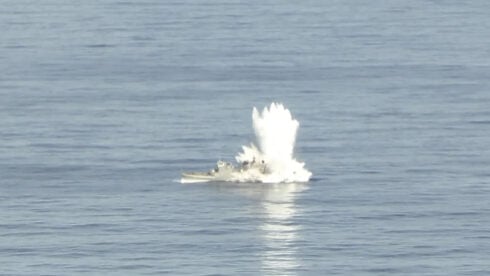


THE European Commission has taken significant steps to keep people prepared during crises.
It aims to help Europe cope with threats ranging from extreme weather and disease outbreaks to cyberattacks and armed conflict.
One of its goals is for households to have enough essential supplies to manage for at least 72 hours during an emergency.
For people in Spain, the risks are familiar. The blackout on April 28, 2025 cut electricity across mainland Spain and Portugal, showing how quickly a service that millions depend on can disappear.
The devastating Valencia floods in October 2024 provided another warning. Thousands of households were left without electricity, drinking water or phone services, while roads, schools and health facilities suffered serious damage.

To keep people vigilant, the European Commission has prepared a guideline which was presented at the European Civil Protection Forum by Commissioner for Equality, Preparedness and Crisis Management, Hadja Lahbib.
“When floods rise, wildfires rage, the ground shakes or in any other disaster, no country should face these alone. In our darkest moments, Europe stands together,” Lahbib said in the European Civil Protection Forum.

The first 72 hours
A Czech Republic guide being used to help develop the European Union’s guidelines warns that during the first 72 hours of a crisis taps may run dry, electricity and heating could fail, and phones, television and the internet may stop working.
But this is not all: Medicines could become unavailable, cooking or heating food may be impossible, and shops could close or run out of supplies.
To this list we must add that card payments may fail, toilets may only flush once, petrol stations could run out of fuel and public transport may stop.
So families need to agree in advance on where to meet if they are separated and cannot contact each other, and where to go if they need to leave.
The situation becomes worse because the emergency services will become overload and won’t be able to provide help as needed.
EU Perparedness Day
Lahbib also announced plans for an annual EU Perparedness Day, with the first edition planned for in October 2027.
The annual event will also recognise the efforts and work of national, regional and local authorities, civil protection organisations and communities in strengthening preparedness across Europe.
What does the new guideline say?
From packing essentials in an emergency bag to knowing how to react when disaster strikes, the new guideline cover four areas:
- 72-hour-self-efficiency
- Preparedness education
- Disability-inclusive preparedness
- Communicating risks and threats
The European Union is aiming to create a culture of awareness. That is why education aimed at children is part of the initiative.
For families, the message is simple: a little planning now could make a difficult situation easier. Keeping essential supplies at home and agreeing where to meet if phones stop working are small steps that could make a big difference when everyday services suddenly fail.
Click here to read more Spain News from The Olive Press.