

IF a friend of yours mentioned in conversation that he or she came from a Jewish family, you’d probably say nothing in response. It doesn’t matter.
That hasn’t always been the case – and certainly not in Spain!
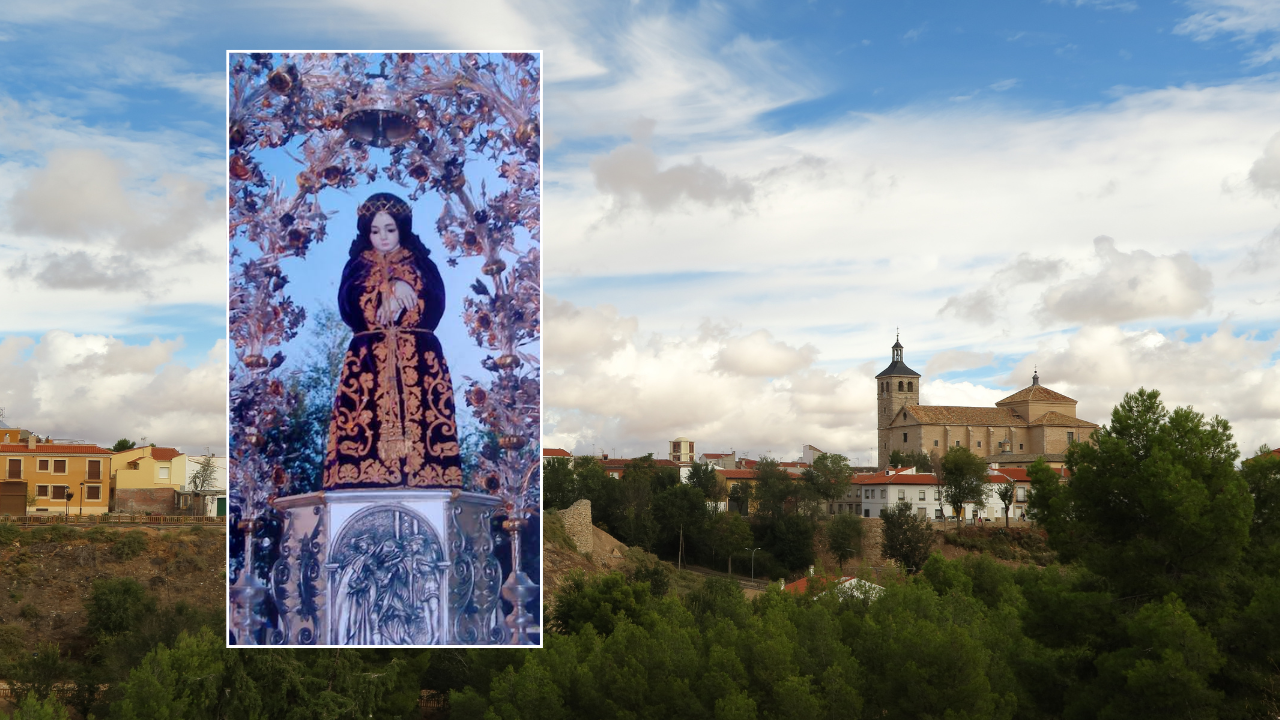
The village of La Guardia is near Toledo, and something bizarre happened there at the end of the 15th century.
Two Jewish people and six ‘conversos’ were condemned to death and burnt at the stake.
Conversos were Christians suspected of being “secret Jews”.
So, on 16 November 1491, eight people died horrible – and utterly unnecessary – deaths. Lamentably, this sort of thing was fairly common throughout Spain at the time.
But the La Guardia case was different. One of the condemned men (Benito García) confessed to having murdered a Christian child.
READ MORE: British photographer David Sims brings Kate Moss and Kurt Cobain portraits to Spanish exhibition
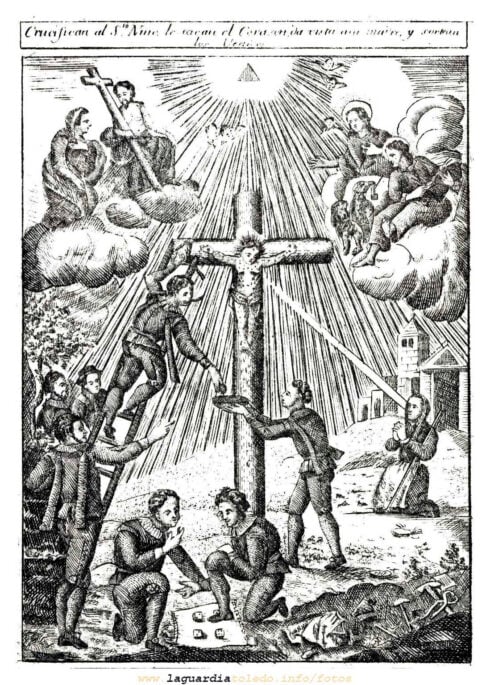
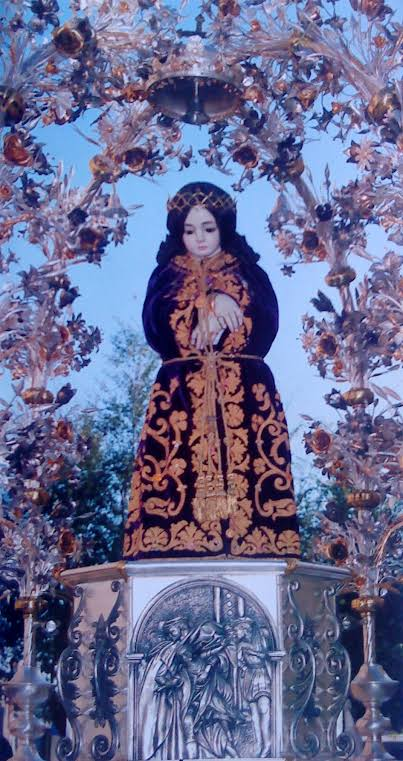
The murdered infant was hailed as a martyr. A child of the village had died in the name of Christianity, and had (according to the beliefs of the time) gone straight to heaven. La Guardia was the scene of a miracle!
There could be no sympathy now for any Jews or Conversos – anyone who belonged to those groups (many people across the land were awaiting trial) was obviously working with Satan, and deserved a painful death.
But…there was no evidence that any child had been mistreated.
The Church Court did not hear any witness say that anyone had been murdered. No body was ever produced. Today, La Guardia has a population of 2,200. Five hundred years ago, that figure was probably nearer 300. Someone might have noticed if an infant had been killed illegally.
Once doubts arise, the case against the Jews and Conversos quickly falls apart.
Benito García, the alleged child-murderer, was a 60-year-old cloth carder. His work involved teasing raw wool into strands, so that it could be used in knitting. He wandered from village to village, looking for employment.
Though he was a native of La Guardia, people didn’t trust him. Even today, Spanish villagers don’t travel much, so a ‘footloose’ stroller attracted gossip.
We don’t know the exact circumstances of his arrest, but the monks (there were no police back then, and ‘being Jewish’ was a religious crime) claimed to have found a consecrated Communion wafer in his knapsack.
Catholics believe that the wafer in itself has no importance – but once it is blessed during the Mass it becomes the real body of Jesus Christ. Clearly, a cloth-carder should not be walking around with such a precious thing in his possession.
But how could the monks tell, by looking at it, that the wafer had been consecrated? The Court felt that monks wouldn’t lie, and anyway, Benito admitted his offence.
This is not very convincing. First, for monks, inquisition work was fun – they got to travel around, accusing people: much more interesting than remaining stuck in the monastery, praying. They had every incentive to ‘find’ Jews to prosecute.
Second, Benito was tortured. He agreed that he was carrying the consecrated wafer, and named various villagers who – he said – joined him in Satanic Jewish ceremonies. Was he revealing the truth, or did he just want the pain to cease?
The questionable practices of the monks didn’t stop there.
When one of the defendants fell ill, he allegedly asked for a rabbi to be summoned. Would you, in that situation, ask for a rabbi, knowing that you were condemning yourself to death? And where could a rabbi be found?

One of the monks dressed up as a Jewish holy man, and came to speak to the sick suspect. According to the fake rabbi, the defendant made all sorts of damning admissions,
When the trial began, one of the ‘Jewish’ men acted as lawyer for the whole group. Given that he was a humble field-worker, he did an excellent job.
He called the charges “dishonest nonsense”, and pointed out that the monks had provided no dates or facts. Regarding the supposed murder, which child had been killed? Where was the body?
Of course, it did no good.
The Court was hell-bent on finding Jews, not on finding the truth.
It’s far too late for us to help the eight accused citizens of La Guardia, but at least we, today, can see what happened there for what it was – a deeply unfair and unpleasant process, whose purpose was sheer victimisation, not justice.
Click here to read more Spain News from The Olive Press.