
WELCOME to the latest edition of This Week in Spanish History, written by Michael Coy.
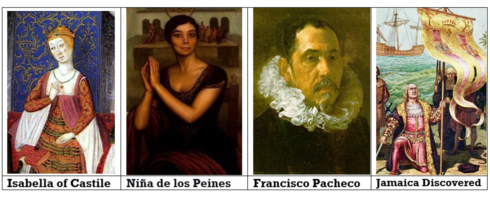
NOVEMBER 26, 1504 – Isabella La Catolica dies
Isabella was Queen of Castile and Leon for thirty years, but it was her marriage to Ferdinand of Aragon, in 1479 (when she was 28) which changed everything.
We can all think of ‘power couples’ who galvanised their generation (John and Jackie Kennedy, Charles and Diana). Ferdinand and Isabella were probably even more important.
In the 1400s, England and France were the dominant political forces, because their territories formed natural ‘nations’.
This wedding instantly made Spain a country, gave it self-confidence, and opened up the new society to Ferdinand and Isabella’s policies (defeating the last Arab communities, discovering America), thus changing the course of history.
NOVEMBER 26, 1969 – La Niña de los Pienes dies
Pastora Pavon Cruz of Sevilla was known professionally as ‘La Niña de los Peines’ (‘The Girl of the Combs’).
Experts say she was the greatest-ever female flamenco singer.
Her name refers to the high combs, traditional Spanish headdress, which she wore onstage.
Her portrait was painted by Julio Romero de Torres.
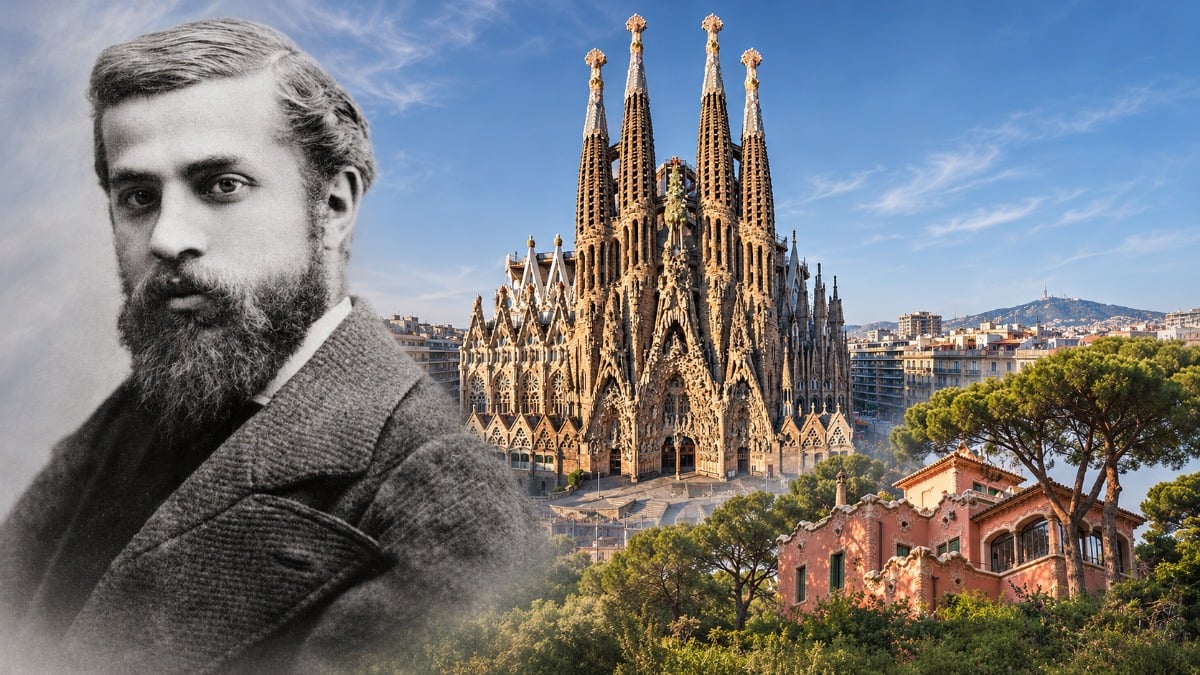
READ MORE: What did Gaudi own when he died? Declassified documents reveals the Spanish architect’s modest life
NOVEMBER 27, 1644 – Francisco Rancisco Pachecho del Rio dies
Though the purists claim him as Spain’s greatest-ever thinker about art, Francisco Pacheco of Seville is not widely-known.
As a theorist and teacher he was revered in his day, but his own art works are very conventional and uninspiring.
His two huge achievements are that he left us a Manual of Painting which is still admired, and he taught the young Velazquez.
NOVEMBER 28, 1493 – Columbus arrives in the New World again
Two things about Christopher Columbus might surprise you.
First, he went to his grave (in the year 1506) unaware that America exists. He was sure that the islands he’d discovered were all part of Japan.
Second, he didn’t simply make one trip: over a period of twelve years, he led four expeditions across the Atlantic.
His second voyage set off from Cadiz in September 1493, and got back to Spain in June 1496. On this journey he explored Cuba, and discovered Jamaica.
NOVEMBER 29, 1852 – Francisco Tarrega is born
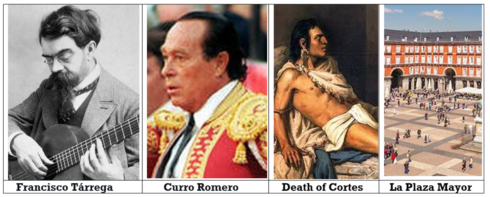
The composer of classical music for the guitar, Francisco Tarrega, was born in Villareal on November 29, 1852 (some sources give a date a week earlier).
As a child, Francisco frequently ran away from home – a trait which shaped his adult life.
On one such adventure he fell into a canal, and nearly drowned. It was thought that he would lose his eyesight.
His father decided to pay for him to train as a musician – blind people can make a living if they can play a musical instrument.
On another occasion he travelled around with a gypsy family – and fell in love with the guitar.
DECEMBER 1, 1933 – Curro Romero is born
It’s hard to know what to make of Curro Romero, the matador.
In Sevilla, his hometown (where he is revered), people will tell you in poetic tones of his beautiful, slow veronica passes.
Everywhere else, he is regarded as a coward and a fraud, with a tendency to keep plenty of space between himself and the horns.
Curro kept putting on the suit of lights and entering the bullring right up to the millennium (by which time he was 67 years old).
When asked by journalists why he hadn’t retired at 30, like everyone else, he said: “If they keep offering me contracts, I’ll keep taking their money!”
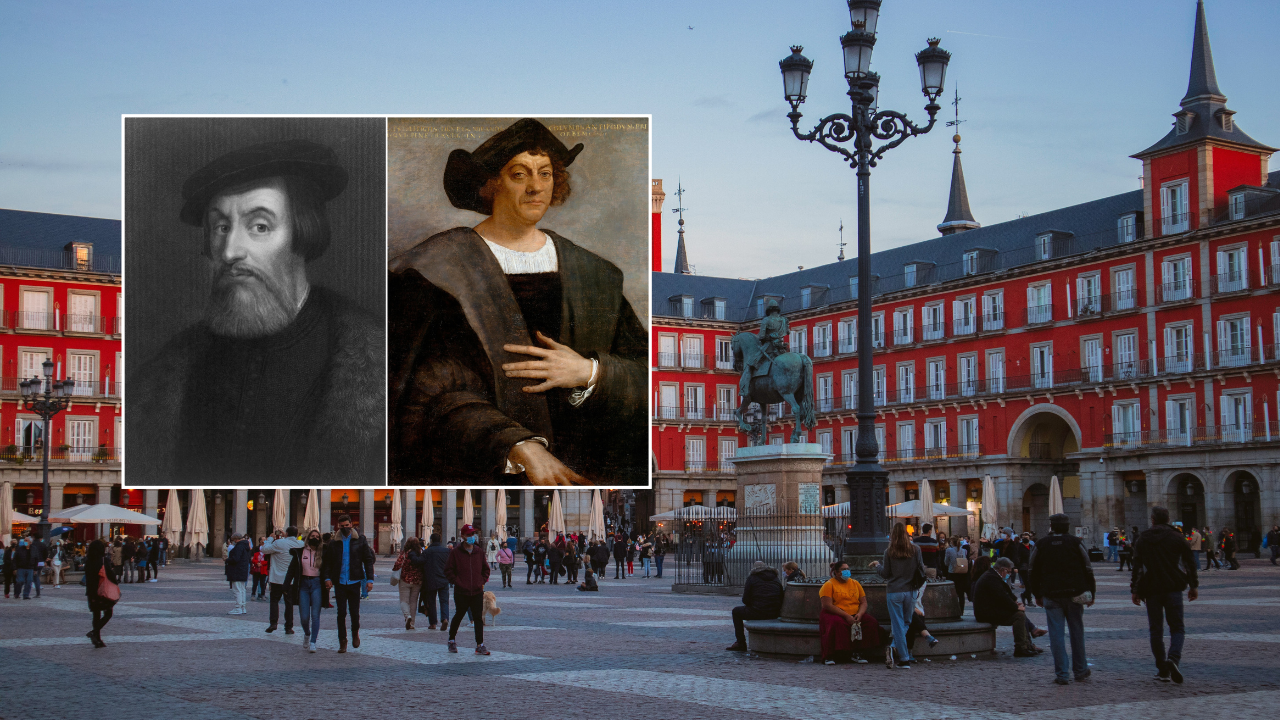
DECEMBER 2, 1547 – Hernan Cortes dies
A mile or two west of Sevilla, just off the main road to Huelva, lies the village of Castilleja de la Cuesta.
It’s unremarkable – essentially a single, long street – but the little monastery at the crest of the rise preserves the mortal remains of Hernan Cortes, conqueror of Mexico.
In his final illness, he asked forgiveness for his many sins.
Should we remember him as the man of courage who shaped the development of the New World, or should we label him a traitorous, cruel abuser of women?
DECEMBER 2, 1617 – Construction of the Plaza Mayor begins
It’s a glorious piece of urban planning. When you stand there, you can easily imagine yourself in the Baroque period.
Though the actual construction phase was rapid, the clearing of the site had been under way for years. Madrid’s Plaza Mayor (‘main square’) is still, today, the city’s focal point.
In its time it has served as the site of “autos de fe” (‘the burning of heretics’).
Click here to read more Spain News from The Olive Press.