
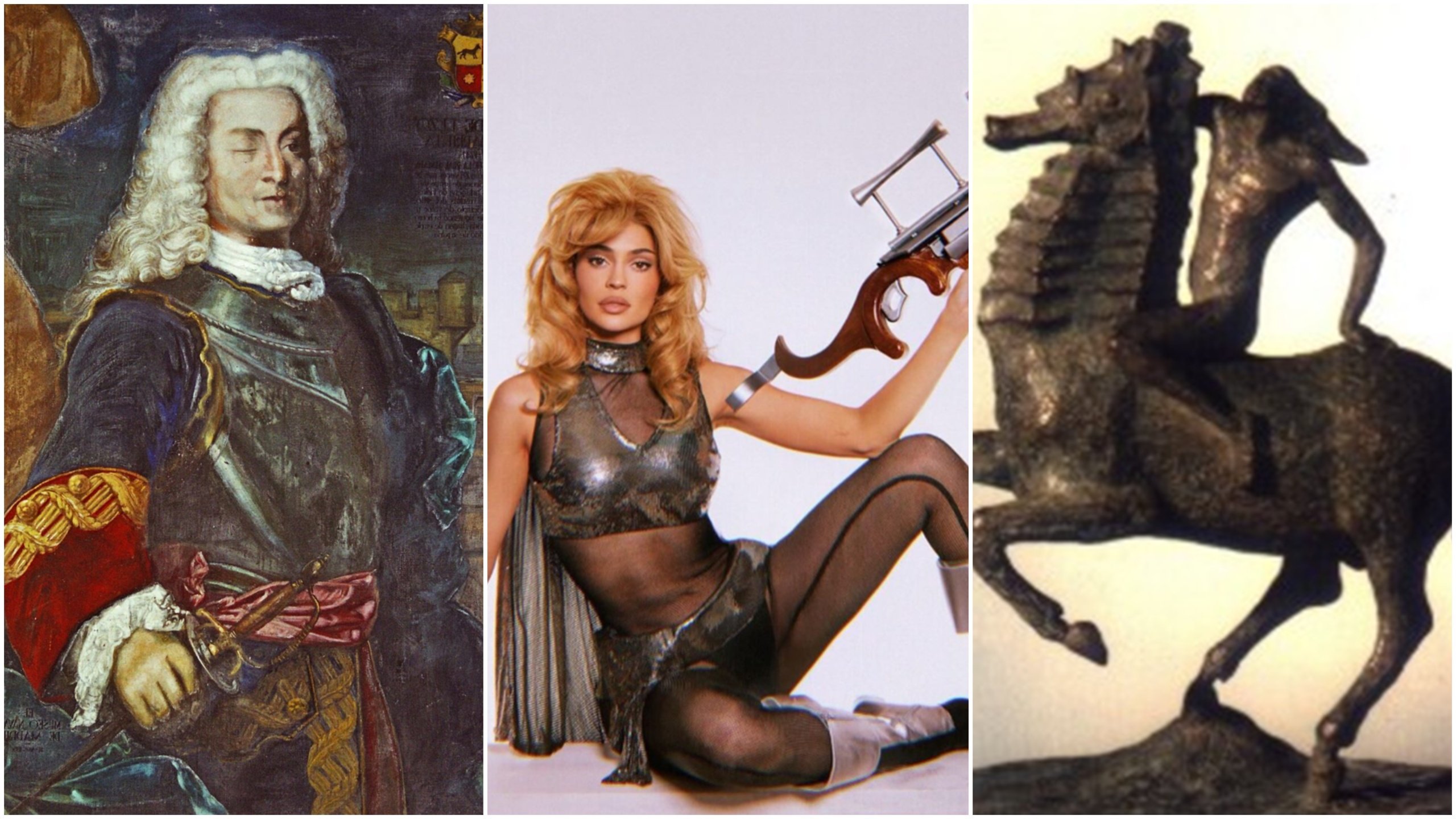
BLAZ DE LEZO
British people of a certain age were brought up on stories of English naval excellence and Spanish incompetence. The Armada was thwarted, wasn’t it? And Spanish treasure galleons lurk dimly in our awareness as the very definition of ‘easy pickings’.
Like many legends, it’s not true.
Spain was the leading world power between 1500 and 1650, and no nation achieves that rank without possessing political, administrative and military prowess.
We British are guilty of ‘airbrushing’ men like Blas de Lezo out of our own history.
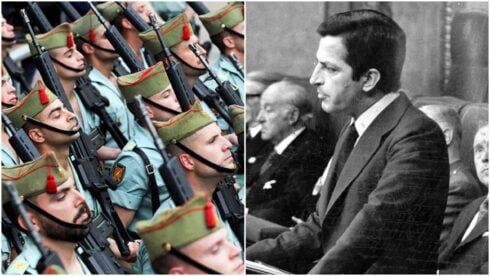
Admiral Blas de Lezo y Olavarrieta was born on 3 February, 1689.
We can think of him as the Spanish Nelson. Like Nelson, he was a sailor of military genius, and also like Nelson, he suffered a multiplicity of battle injuries. He lost an eye, a leg, and couldn’t move his right arm.
Blas died in 1741, shortly after his greatest triumph, but unlike Nelson he didn’t fall in battle – it was typhus that killed him.
The main Spanish naval base in South America was Cartagena de las Indias, located in what is now Bolivia. Britain’s Royal Navy attacked it in a massive onslaught which included 196 ships.
Blas de Lezo fought off the offensive. When the news reached London, the British government resigned!
EVARISTO MÁRQUEZ
Sculpture doesn’t often make the news in Spain, but in fact the nation has a noble tradition of producing important sculptors.
One such artist was Evaristo Márquez Contreras of Sevilla, born on 3 February, 1929. He died in 1996.
He grew up in the Huelva area and was trained as a mining engineer. He came to prominence in 1974 when his sculpture “The Miner” won a major prize in Hungary.
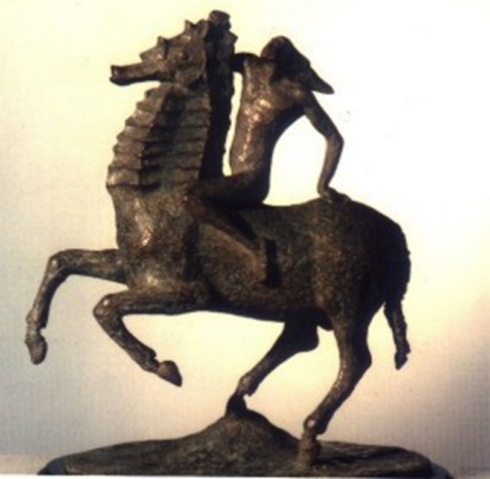
There could be no other choice when, the following year, the town council of Minas (the home of Rio Tinto Zinc) decided to erect a monument to its mining history.
When his sculpture was inaugurated in 1976, Evaristo presented a copy in miniature to King Juan Carlos.
The “Autumn Exposition” is Spain’s annual sculpturefest. Evaristo won first prize in 1987 for his “Bust of a Boy”. Six years earlier, the same gathering had honoured him with a lifetime achievement award.
He also made his mark in intellectual circles, with his writings about fellow sculptor, Carmen Jiménez.
READ MORE: ON THIS DAY: When America atom-bombed Andalucia (by mistake)
SNOW IN HUELVA
Huelva again.
Have you ever noticed that coastal areas never seem to get any snow? Sometimes we hear it said that the salt in the air inhibits snowfall. The scientists say that this is not so – it’s all about temperature.
The sea takes longer to heat up than the land, but once it traps warmth, it tends not to let it go. Consequently, when the coast itself is cold enough for snow, the nearby sea acts as a ‘hot water bottle’, keeping the snow at bay.
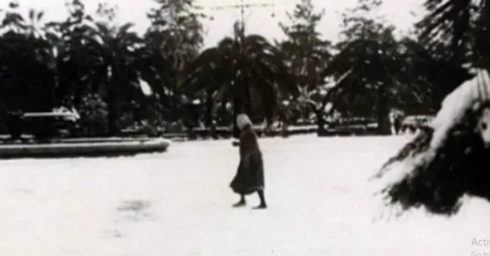
This January, rarely, the people of Huelva are expecting snow (according to the local newspaper, ‘Huelva Hoy’). There is plenty of moisture in the air (as we’ll all see over the next two weeks), and it’s unusually cold.
Senior citizens of Huelva are casting their minds back to the night of 2-3 February, 1954, when the city found itself inundated. It was the first time in living memory that Huelva had ever been snowbound!
PACO RABANNE
The Spanish fashion designer Paco Rabanne died on 3 February, 2023. He was a few days shy of his 89th birthday.
He was a Basque, and his real name was Francisco Rabaneda. When his father was killed in the Civil War, his mother had to become the family breadwinner. Being a gifted seamstress, she found work at a fashion house.
Paco’s first job was designing jewellery for Givenchy and Dior in Paris.
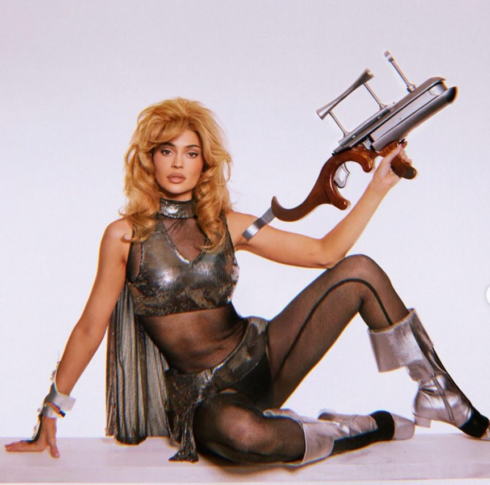
The 1960s was the ideal era for Paco – he was 29 years old when the Mersey Beat erupted – and he had the perfect temperament for such an experimental period.
He started designing outrageous clothes, which he himself labelled as “unwearable”. And he used ‘space age’ materials like metal and plastic.
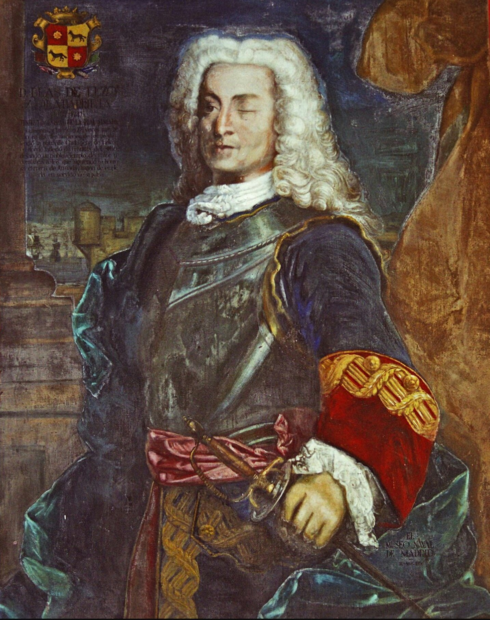
Paco Rabanne hit the big time in 1967, when he was hired to design Jane Fonda’s costume for the blockbuster movie, Barbarella”.
Click here to read more Spain News from The Olive Press.