SPAIN’S capital has been rocked by an outbreak of measles with 24 cases confirmed in the first seven weeks of 2026 – more than the entire total recorded in Madrid during 2025.
Measles spreads easily through coughing, sneezing and close contact.
The virus can remain in the air for up to two hours after an infected person has left the room.
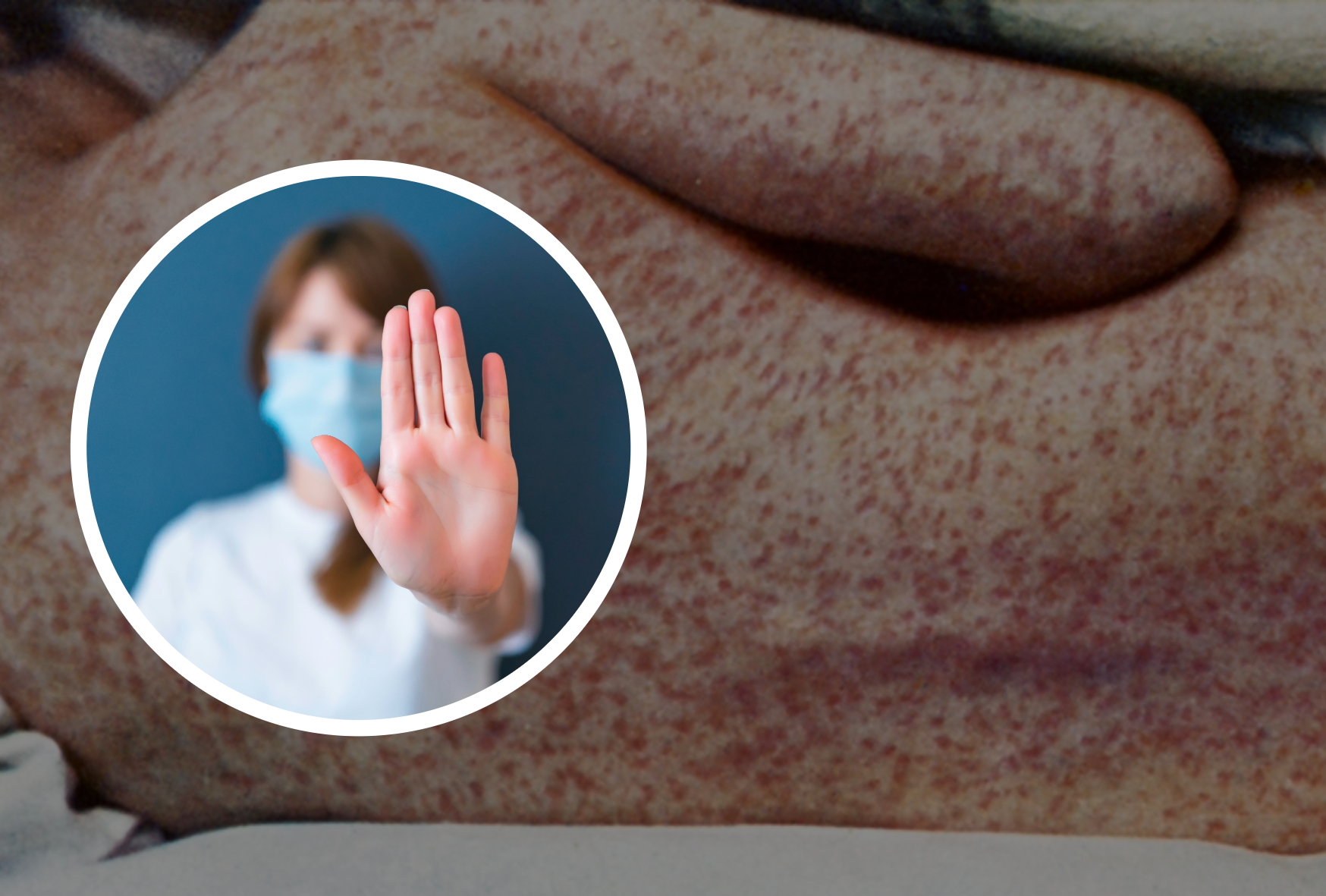
Early symptoms include high fever, cough, a runny nose and red, watery eyes.
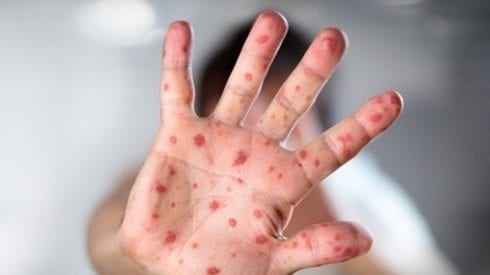
A red rash usually appears several days later, starting on the face before spreading across the body.
Although many people recover, measles can lead to serious complications.
Six of the 24 recent cases in Madrid required hospital treatment.
Health officials stress that vaccination remains the most effective protection, particularly as 16 of the 24 infected people were not vaccinated.
Health experts also recommend basic precautions to reduce the risk of infection.
The MMR vaccine, which protects against measles, mumps and rubella, is given in two doses and provides very high levels of immunity.
Anyone unsure about their vaccination status is being urged to contact their GP or local health centre.
Parents are reminded to ensure children are fully vaccinated according to Spain’s immunisation schedule.
Adults who received only one dose, or who were vaccinated decades ago, may also be advised to check their immunity.
If you are unvaccinated and believe you have been exposed to measles, doctors say you should act quickly.
Receiving the MMR vaccine within 72 hours of exposure can prevent the disease or significantly reduce its severity.
An immunoglobulin injection within six days may also offer protection.
READ MORE: Measles scare in Spain as cases doubled last year – and were virtually zero in 2023
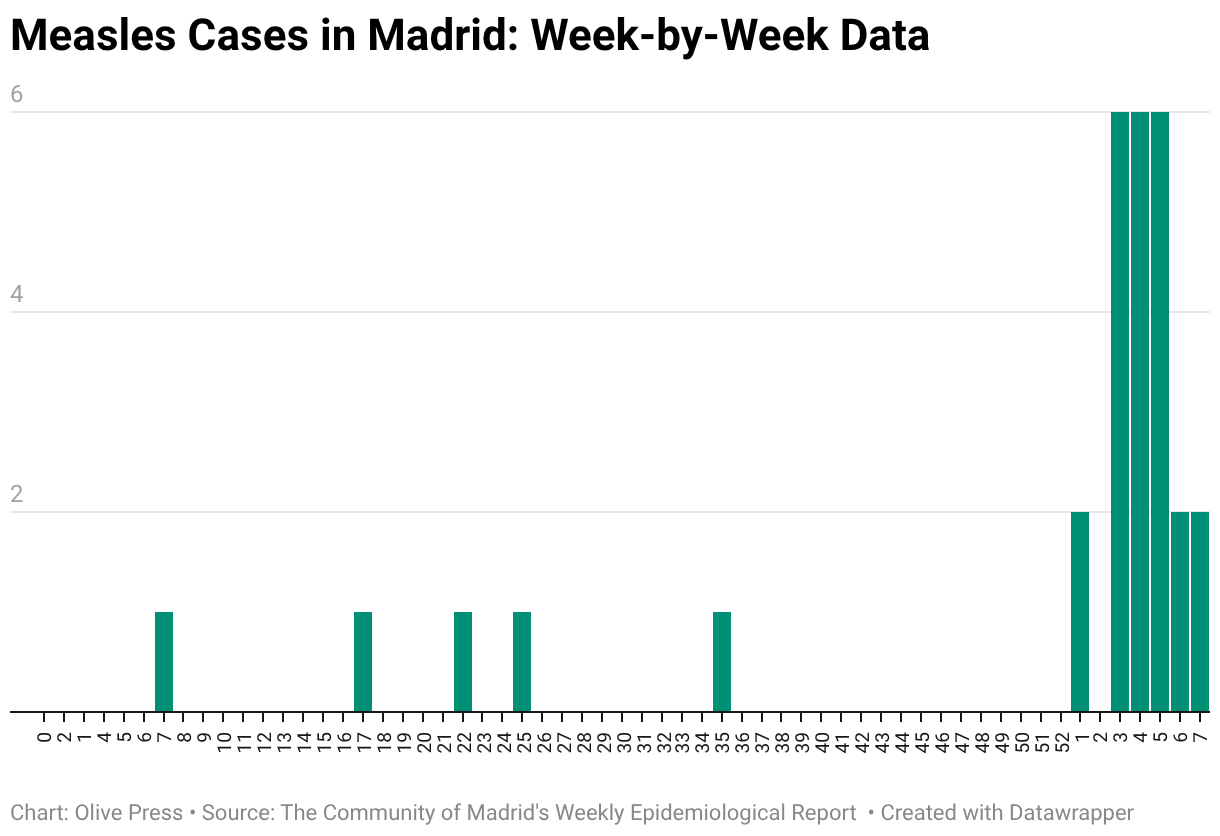
According to the latest epidemiological report, 11 of the 24 cases are linked to each other.
Seven belong to three separate family outbreaks. The majority of those infected are adults.
Sixteen cases involve people aged between 25 and 55, including four over the age of 49.
Only three cases involve children, one of whom is a 10-month-old baby.
Nearly half of those infected were originally from other countries, although most have lived in Madrid for years.
Officials say the outbreak is not primarily linked to travel.
Most patients had not left the region before becoming ill.
Authorities warn that the sharp rise in cases at the start of 2026 places measles firmly back on Madrid’s public health watchlist.
They say maintaining high vaccination coverage and acting quickly on suspected cases will be key to stopping further spread in the capital.
Click here to read more Health News from The Olive Press.