
Today might seem just like any other, but leaf through the Spanish history books and it emerges as a remarkably dramatic 24 hours.
From a historic English footballing disaster at Wembley and a Dutch expat’s open defiance of General Franco, to tales of baby-eating witches in Madrid and a drought-busting miracle in Valencia, today marks the anniversary of some of Spain’s most fascinating cultural touchstones.
Whether you are a football fanatic or a history buff, here is why March 25 is a date worth remembering.
THE DEVIL AND THE COURT PAINTER
On this day in 1789, Francisco de Goya was appointed court painter to King Carlos IV.
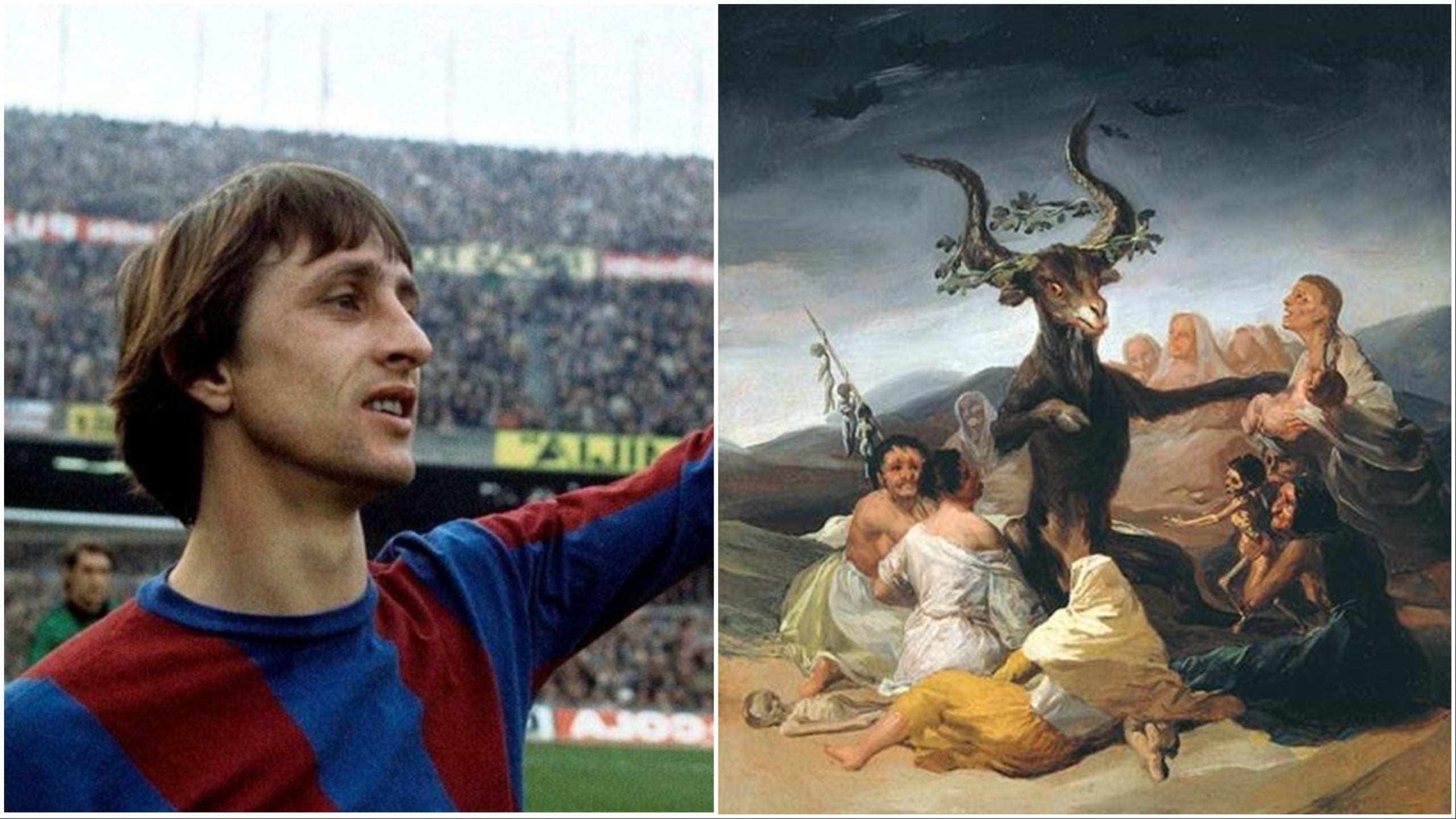
But the madrileño artist had a dark side. The same year he secured his royal appointment, he painted The Witches’ Sabbath, depicting a coven summoning the Devil in the form of a great he-goat.
According to the folklore of the time, the witches were supplying Satan with his favourite food: living babies.
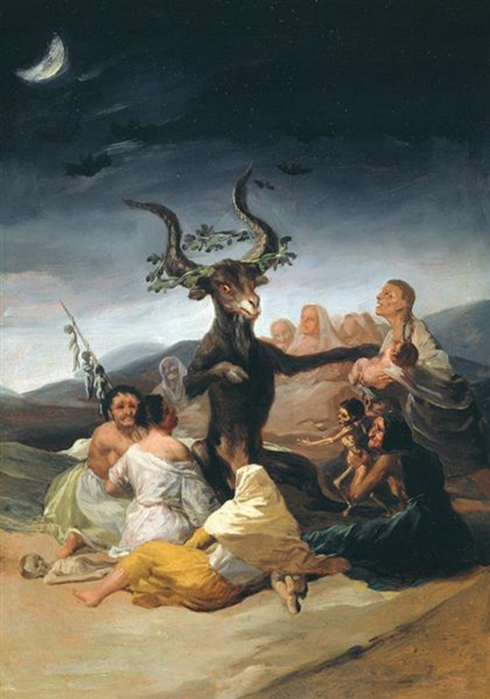
Modern historians argue Goya’s macabre subject matter reflected the uneasy mood in royal circles.
They had a right to be nervous: just 16 weeks after Goya’s promotion, the French Revolution broke out. Napoleon would eventually invade Spain and dethrone Carlos IV.
THE MIRACLE OF ALTURA
In March 1915, the town of Altura near Castellon was gripped by a devastating drought. Desperate locals prayed to the Virgin Mary to save their crops and animals.
According to local legend, on March 25 the Virgin appeared in person, struck a rock, and caused fresh, clean water to flow in abundance.
Incredibly, the Fuente Berro spring is still flowing today. Every year on the anniversary, the Valencian town throws a massive fiesta to celebrate the miracle, complete with fireworks, live music, and a bullfight.
ENGLAND 1 – 2 SPAIN
It was only a friendly, but the Spanish national team sent shockwaves through English football on March 25, 1981, when they defeated England at Wembley.
Despite an England side featuring goalkeeper Ray Clemence, skipper Kevin Keegan, and a goal from Glenn Hoddle, the Spaniards secured a historic 2-1 victory.
Chasing a late equaliser, England manager Ron Greenwood brought on Butch Wilkins and Peter Barnes. It wasn’t enough.
It was the sixth clash between the two nations at the iconic stadium, and the first time England had failed to win. Spain would later return to triumph on English soil in 2007 and 2018.
THE DART THAT NAMED A STAR
On March 25, 2006, Spain lost one of its most beloved singers: María de los Ángeles de las Heras Ortiz.
Fortunately for her fans, she was better known by her stage name, Rocío Dúrcal. Legend has it that as a young girl looking for a catchy moniker, she threw a dart at a map of Spain.
It landed on Dúrcal, a small village south of Granada in Andalucia.
She became the undisputed queen of ranchero – a style heavily influenced by Mexican mariachi – and was a massive star across Latin America.
Her signature tune, Me Gustas Mucho, remains a staple at Spanish fiestas today.
READ MORE: ON THIS DAY: The Madrid train bombings – how Spain’s worst ever terror attack unfolded 22 years ago
CRUYFF’S DEFIANCE
Dutch football legend Johan Cruyff died a year short of his 70th birthday on March 24, 2016. While he is a global icon, he holds a fiercely special place in the hearts of Spaniards—and Catalans in particular.
Cruyff scored 257 goals for Ajax before moving to Barcelona in the 1970s. The Catalan club had not won La Liga for 14 years, but his arrival galvanised the team, winning them the championship in his first season before he returned to manage the club in the 80s and 90s.
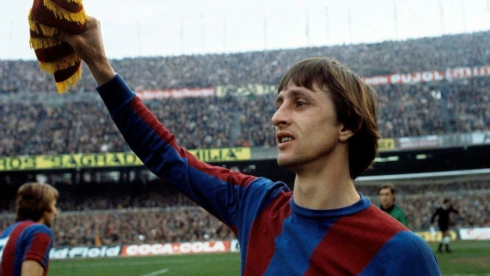
But older Spaniards remember Cruyff for his open defiance of General Franco.
The aging dictator was trying to brutally stamp out Catalan culture, making it a criminal offence to name a child Jordi (the Catalan version of Jorge).
Knowing his immense global fame made him untouchable, Cruyff deliberately named his son Jordi in solidarity with Catalunya.
The Madrid government did nothing, and Cruyff cemented his legacy as a local hero.
Click here to read more La Cultura News from The Olive Press.