
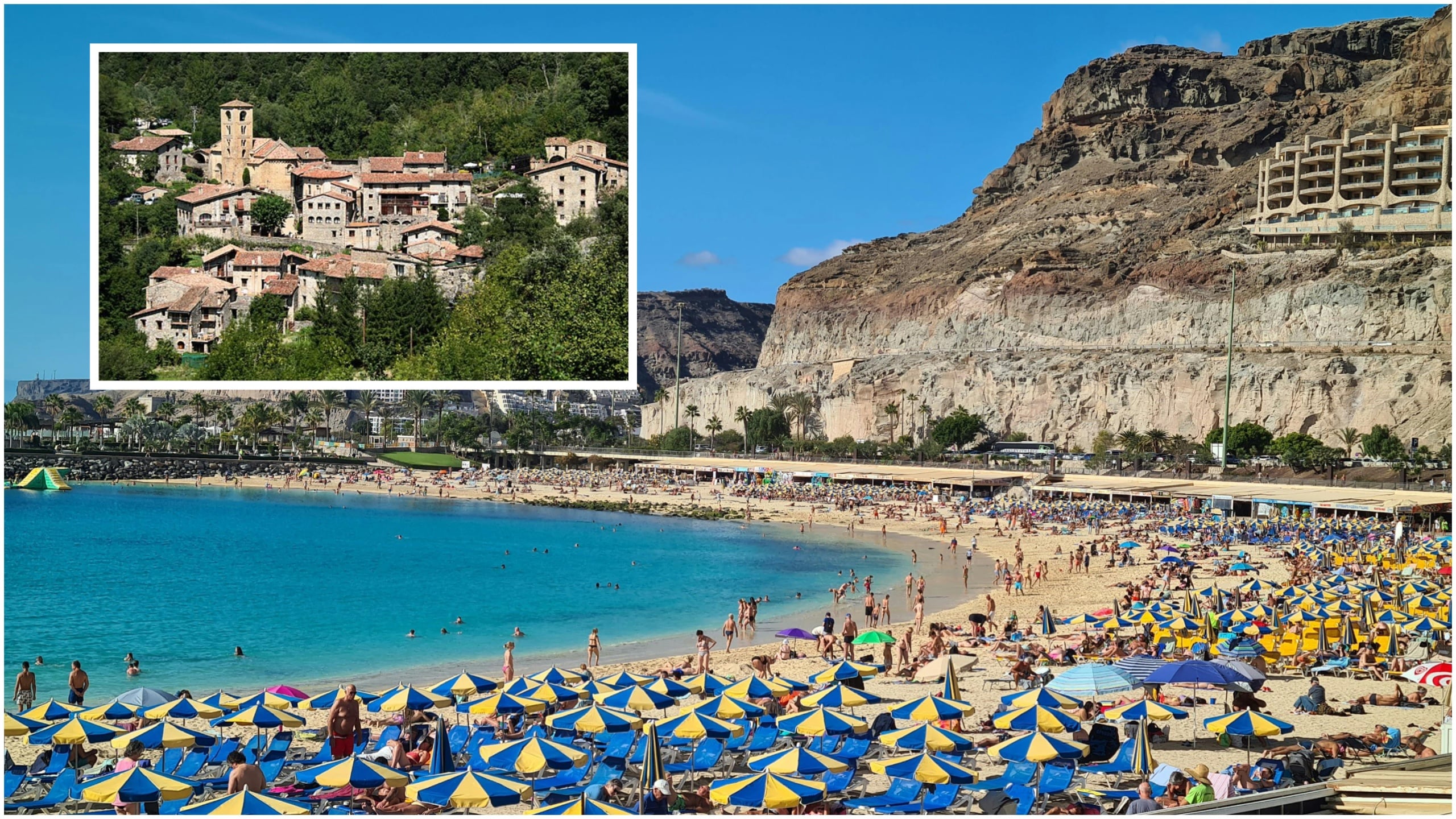
IF you are looking to escape the crowds of Barcelona, Mallorca and Madrid, National Geographic may have the perfect guide to Spain’s best-kept secrets.
Nearly 100 million tourists visited Spain last year, setting a new record and making it the world’s second-most-visited country, just behind France.
Beyond the tourist hotspots of the Costa del Sol and the Balearic Islands, here are the top spots to beat the crowds this spring.
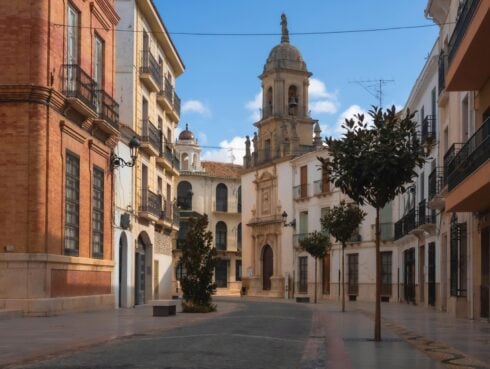
Priego de Cordoba
Just a short bus ride from Cordoba or Granada, Priego de Cordoba is a quintessential Andalusian village, with whitewashed homes and striking hilltop views.
What makes Priego different is its olive oil. For 14 consecutive years this town has been awarded the title of the Best Olive Oil in the World.
Many of the town’s olive oil mills offer tours of their 1,000 year-old groves, including visits to the press to watch the extraction process, tastings, and olive oil-focused meals in the countryside.
If you want to see the press in action, visit during harvest season (November – January).
Combarro
Combarro, a quaint Galician fishing village, is one of the stops on the Camino de Santiago pilgrimage.
It lies, however, on the lesser-trodden Spiritual Variant detour, so you’re less likely to encounter groups of back-packers.
The seaside town, just a stone’s throw from Pontevedra is famed for its horreos – traditional Galician stone structures once used to store grain.
They are best-viewed from the shore at low tide.
Ainsa
Situated in the Aragonese Pyrenees and just nine miles away from the Ordesa y Monte Perdido National Park, Ainsa is the perfect place for keen mountain-bikers, hikers and nature enthusiasts.
With 250km of mountain-biking trails to explore and guided treks to abandoned villages in the national park, Ainsa is the ideal destination for an active holiday.
Huge conservation efforts to protect birds of prey are underway in the Pyrenees and visitors can see the majestic birds in action in their natural habitat at the Pyrenees Bird Center.

Beget
If you’re looking to go off the beaten track, Beget could be the perfect destination.
This remote Catalan village, also in the heart of the Pyrenees, remained inaccessible by car until the 1960s and only gained 5G coverage in 2023.
With a 12th century Romanesque church, and two restaurants to choose from, it is the ideal place to slow down.
Hikers can also begin the Cami de Nord in Beget, a trail that winds through the ancient oak forests of the protected Alta Garrotxa region and traces part of the route taken by Spanish exiles escaping to France during the Civil War.

Trujillo
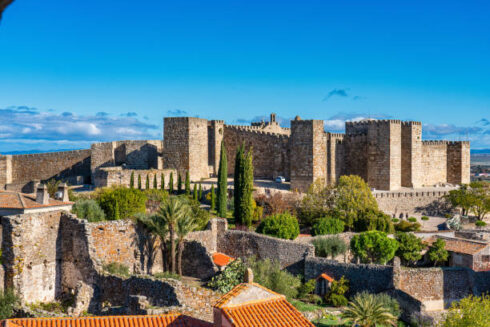
Home-town of conquistador Francisco Pizarro – the man behind the fall of the Inca empire – Extremadura’s Trujillo is a historically rich destination.
Pizarro’s statue stands in the main square, but the history doesn’t stop there.
Local tour guides organise visits to the town’s Moorish architectural wonders including the 10th century alcazaba – also a popular filming location for Game of Thrones.
Equidistant from Madrid and Lisbon, Trujillo is accessible by bus.
San Martin del Castañar
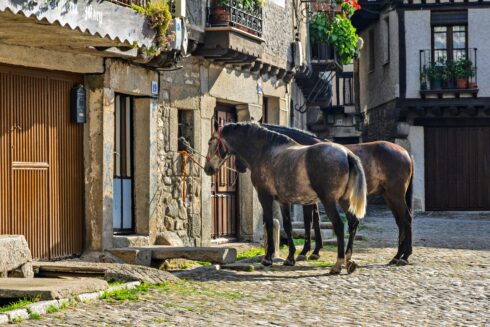
San Martin del Castañar, about 70km south of Salamanca, is a spot for history buffs.
The town’s medieval stone houses with rustic wooden balconies, Roman roads and bridges, the country’s second-oldest bullring, and a 15th-century castle watchtower, now serving as the visitor center, offer a vivid glimpse into its rich history.
Meanwhile, the village’s namesake castaña (chestnut) trees line popular hiking routes in the Sierra de Francia.
Zumaia
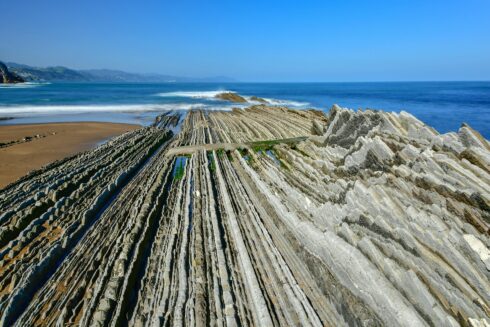
Zumaia, just an hour east of Bilbao, is home to Basque coast’s UNESCO World Heritage Geopark.
This spectacular coastline boasts 13km of cliffs with rock layers known as flysch – rock formations which hold 60 million years of the earth’s geological history.
You can explore the flysch on foot or by boat.
Click here to read more Spain News from The Olive Press.