
THERE is finally some good news for rail passengers on the Costa del Sol, with direct high-speed trains between Malaga and Madrid expected to return by the end of the month.
Private operators Iryo and Ouigo have already begun selling tickets for services starting on Monday, April 27, signalling that the disrupted AVE line will be back in action.
Both companies have made it clear they will only resume once the line is fully operational, with no temporary alternatives planned.
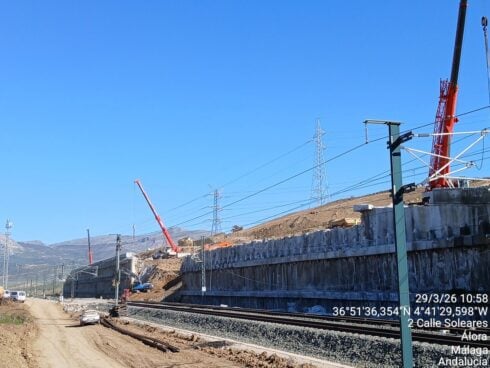
The long-running disruption was caused by the collapse of a retaining wall in Alora back in February, which has blocked access ever since.
Current expectations point to at least one track reopening on the last Monday of April.
Iryo is planning to run three daily services, while Ouigo is offering two, once trains are back on track.
There is no firm reopening date yet, but Adif insists progress is going well and the line should be restored before the end of April.

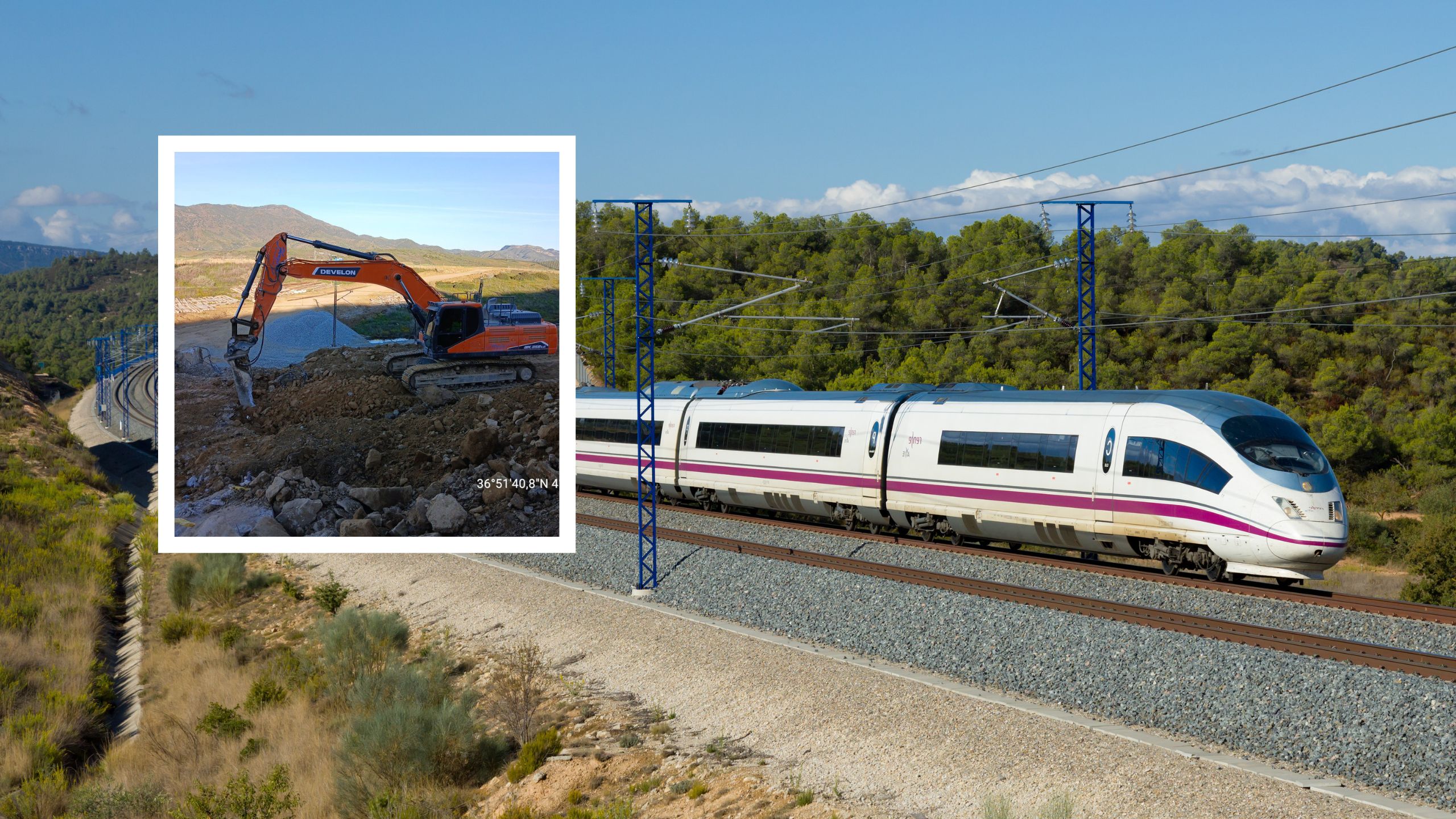
Transport Minister Oscar Puente recently shared images from the site, showing heavy machinery and workers tackling the enormous task.
Crews are removing earth from the embankment before rebuilding the damaged retaining wall, with visible progress already made on the southern section.
According to Puente, work is continuing around the clock.
The scale of the operation is considerable. Around 75 workers are involved, operating in shifts and using various machines.

The collapse of the 15-metre-high wall triggered a landslide that requires the removal of roughly 150,000 cubic metres of earth.
That’s the equivalent of 21 soccer fields or 60 Olympic-sized swimming pools.
The damage has been extensive, affecting not only the wall but also the tracks, electrification systems and key railway infrastructure.
Engineers have had to dismantle sections of track to replace damaged ballast and sub-ballast, while also cutting into the rock behind the remaining wall using specialised drilling equipment.

Heavy rains in the weeks after the collapse made matters worse, halting work for a fortnight and turning the area into a mud pit.
A nearby high-voltage power line also had to be secured before major reconstruction could begin.
Originally, the plan was to repair the affected section of the wall. However, further analysis showed that a much larger portion needed to be removed entirely, contributing to repeated delays.
The project involves reshaping the slope to make it more stable, demolishing large sections of the wall in phases, and eventually rebuilding the track, electrification and safety systems.
For now, the aim is to reopen one track first, allowing limited service to resume, before eventually restoring full operations on both lines.
Adif has already pushed back reopening dates several times since the incident on February 4, first targeting early March, then March 23, and now the end of April.
This time, however, there are signs that trains could finally be back on track.
Click here to read more Travel News from The Olive Press.