

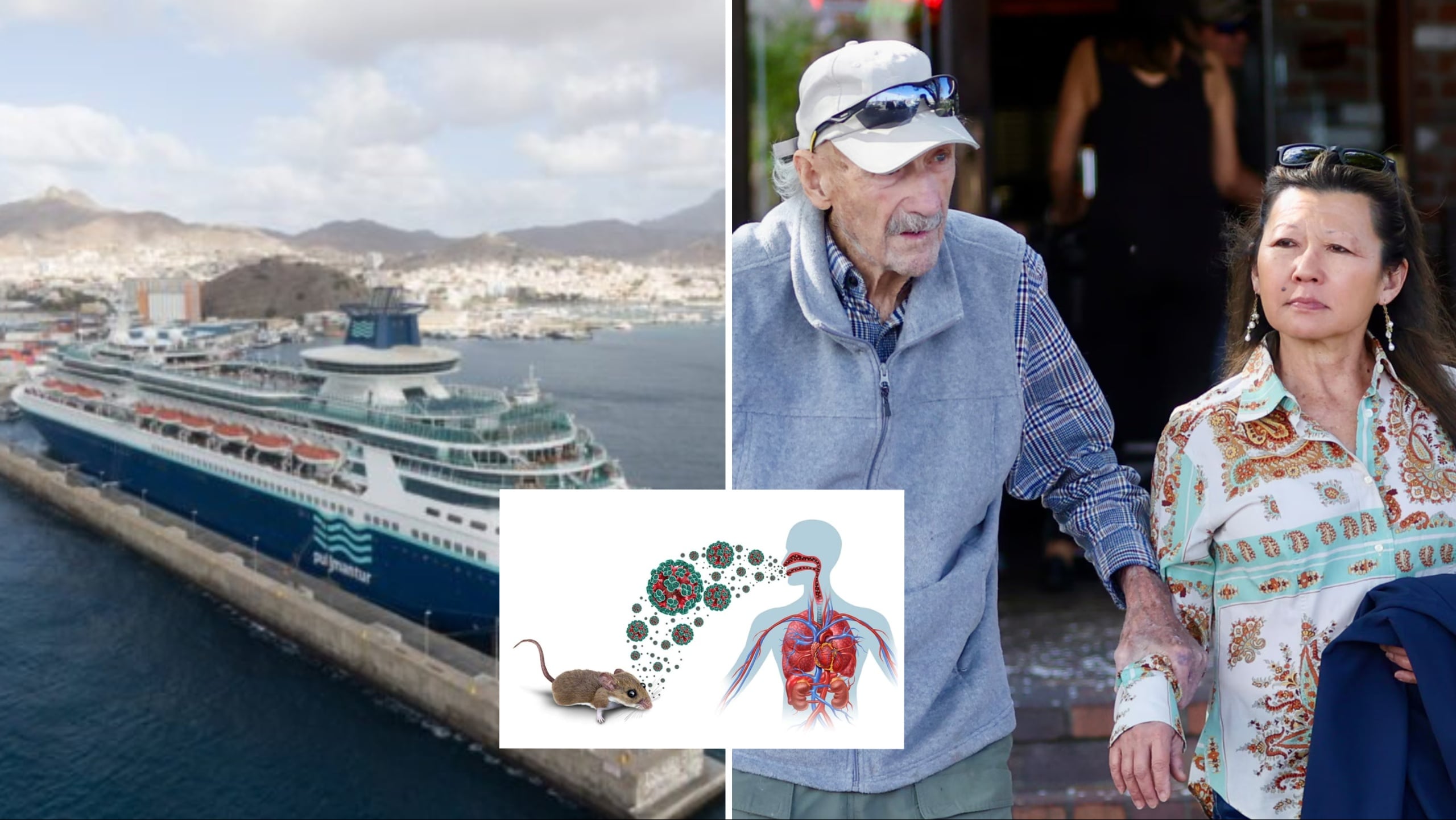
HANTAVIRUS is an incredibly rare but potentially lethal disease transmitted by rodents through their bodily fluids and excrement.
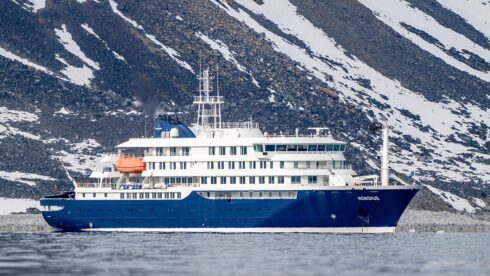
Interest in the pathogen has skyrocketed this week following an outbreak aboard the Dutch cruise ship MV Hondius, which was travelling between Argentina and the Cape Verde Islands off the coast of Africa.
The incident has sparked memories of the sudden death of classical pianist Betsy Arakawa, the wife of Oscar-winning actor Gene Hackman, who passed away from the disease in February last year.
Arakawa, 65, is believed to have succumbed to the virus at her home in New Mexico around a week before Hackman passed away from heart disease, complicated by his advanced stage of Alzheimer’s disease.

What is hantavirus? Humans are usually infected by inhaling particles of dried rodent droppings.
This typically occurs when someone tries to sweep up the droppings, causing the deadly particles to become airborne.
Infections can also occur by touching contaminated objects and then touching the mouth or nose.
Hantavirus can be transmitted through rodent bites or scratches, although this is almost unheard of.
Only one type of the virus, the Andes strain originating in South America, is known to have been transmitted from person to person.
It is this strain that has been confirmed to be aboard the Hondius, triggering fears of a possible new – and even more deadly – pandemic.
Symptoms
What are the symptoms? Hantaviruses cause two distinct types of serious illnesses.
Strains found in Europe and Asia can cause haemorrhagic fever with renal syndrome (HFRS).
Headaches, stomach pains and vomiting can lead to low blood pressure, internal contusions and kidney failure.
Around one in ten cases of this syndrome proves fatal, with the disease taking around two weeks to build to a crisis point.
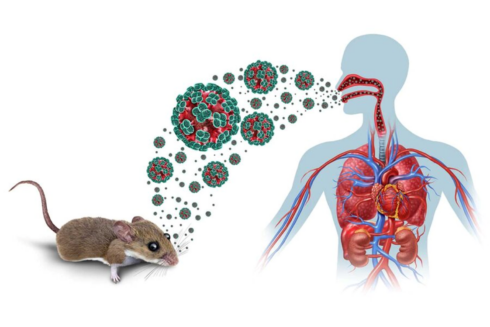
Strains found in the Americas cause hantavirus pulmonary syndrome (HPS), which initially presents with flu-like symptoms.
Over time, patients may experience shortness of breath and chest tightness due to fluid building up in their lungs.
Symptoms can take between one and eight weeks to develop following initial exposure.
This form of the virus is significantly more dangerous and kills approximately four in ten patients, (38%) and was the variant that claimed the life of Arakawa in 2025.
Cruise ship outbreak
How did the cruise ship outbreak start? The World Health Organisation has confirmed multiple cases of hantavirus aboard the MV Hondius, including at least three deaths.
Experts currently suspect the outbreak involves the highly unusual Andes strain, pointing to the horrifying possibility of human-to-human transmission among passengers in close quarters.
Dr Charlotte Hammer, an adjunct professor and epidemiologist at the University of Cambridge, noted there are several possible scenarios for how the virus first boarded the vessel.
“It’s not surprising that rodents sometimes sneak onto a ship, which could be a possibility,” she explained.
Because the incubation period for the disease is between one and eight weeks, Hammer added that some people may have been infected when the ship first departed from Ushuaia in Argentina.
Is there a cure? There is currently no specific treatment or cure for any strain of hantavirus.

Patients who contract the disease can only be treated with hydration, rest, and medical management of their specific symptoms, often requiring intensive care.
Prevention remains the only truly effective defence.
The best way to protect yourself is to keep rodents out of your home and away from living areas.
When cleaning up droppings, you should wear gloves, spray the area with a bleach solution, and wait five minutes before wiping it up with paper towels and disposing of the waste safely.
How common is it? According to recent studies, an estimated 60,000 to 100,000 cases of HFRS occur worldwide each year, with approximately half of those recorded in China.
Click here to read more Health News from The Olive Press.