
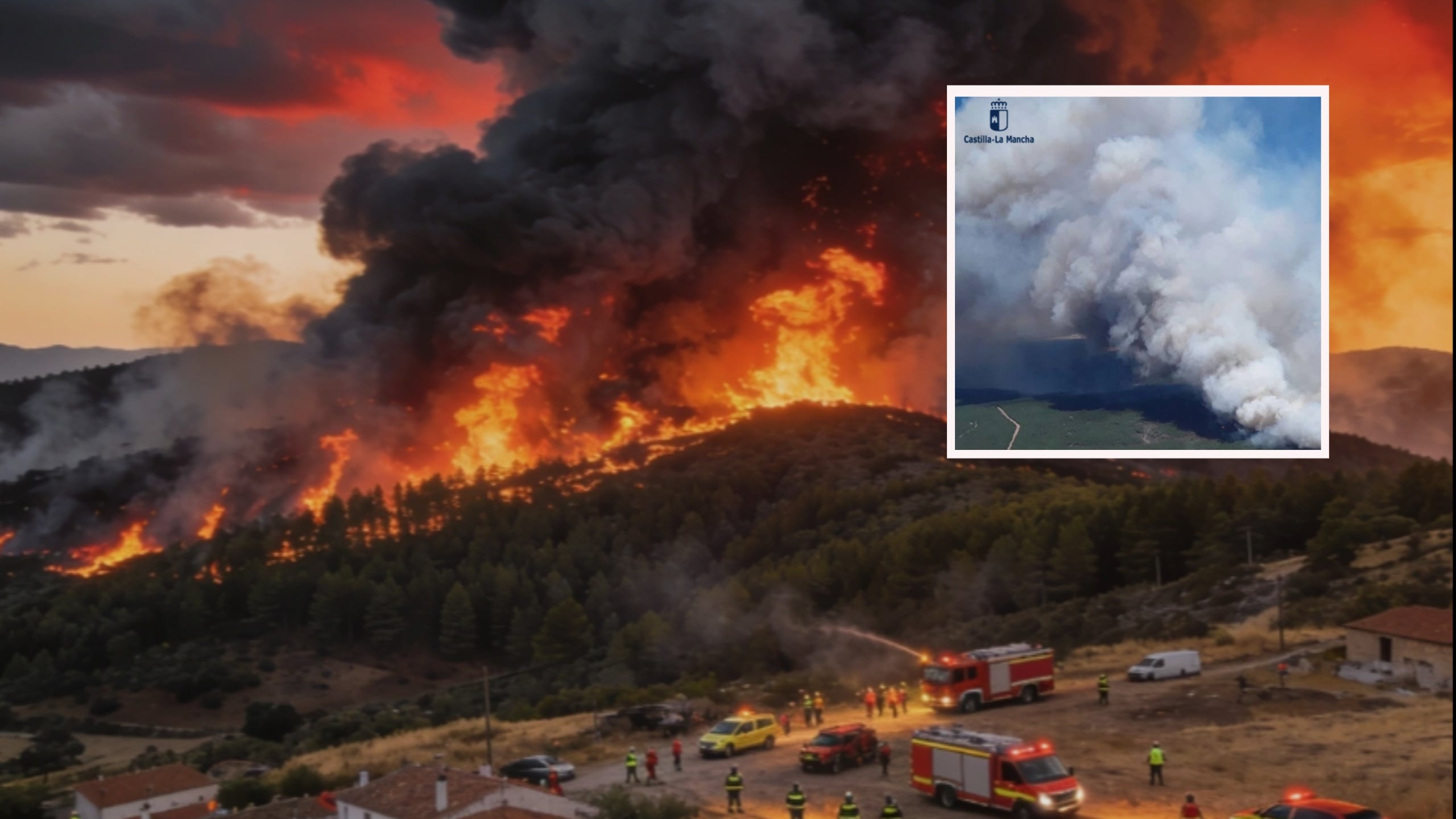
GUADALAJARA province has experienced its biggest fire since 2005, with more than 30 towns evacuated and – so far – costing the nation over €50 million in damages.
It is the most devastating fire since the 2005 La Riba de Saelices wildfire that killed 11 and destroyed 13,000 hectares.
The perimeter of the most recent wildfire has surpassed 120 kilometers (74.5 miles), with the expectation of worsened weather conditions that could spread the flames even further.
Although there haven’t been any reported deaths so far, Juan Jose Fernandez with the Infocam firefighting operation has admitted that the fire ‘is far from being under control.’
The newest wildfire raging across Spain is costing the country around €20,000 per hectare, nearly reaching €50 million as the flames continue to rip across the nation.
READ MORE: Andalucia records more than 40% of last summer’s wildfires as high-risk season continues
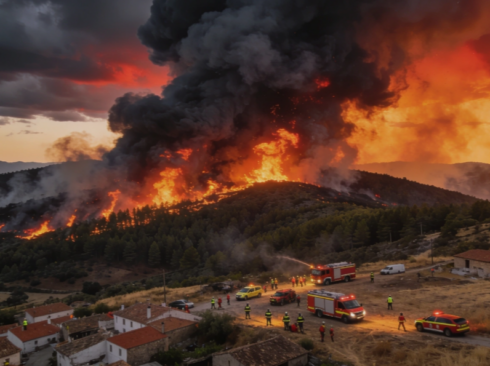
Flames first broke out on Thursday in the Sierra Norte Natural Park area, with regional president Emiliano Garcia-Page holding an emergency coordination meeting to determine how to handle the situation.
Garcia-Page compared the most recent natural disaster to the deadly fire that took place over two decades ago.
“There have even been fireball phenomena like those we had many years ago in Guadalajara,” Garcia-Page said in the Toledo-based meeting.
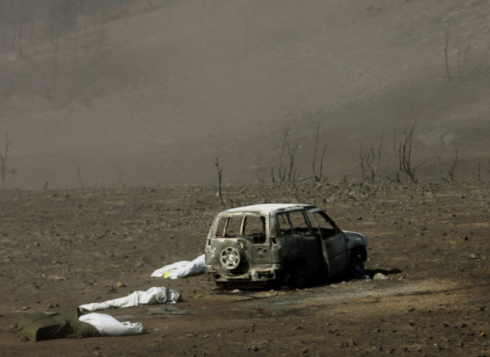
So far the evacuation of 32 towns has seen the displacement of 1,200 residents.
Many were evacuated during Spain’s World Cup win last night while others were placed on lockdown.
One of the most affected areas so far is the Sierra Norte de Guadalajara Natural Park.
Alto Rey is currently being attacked by the fire with the flames reaching its 1,900 metre peak.
READ MORE: Five Brits confirmed dead in Andalucia wildfires as families mourn loved ones
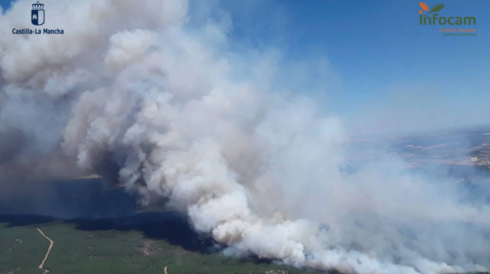
Garcia-Page’s insisted the priority was to ensure all human lives are safe, then to ‘protect urban areas.’
Castilla La Mancha’s sustainable development minister, Mercedes Gomez, announced that the fire was being ‘managed’ by planes and helicopters as it was unsafe to access the fire directly.
Members of the Military Emergency Unit (UME) meanwhile have now joined forces with regional firefighters and forest fire crews, with more than 20 aircraft deployed.
A number of local farmers have also been on the scene assisting authorities with the operations.
Although the continued weather conditions may complicate the fire management, Gomez says they are ‘hopeful that the work we are carrying out will be successful.’
The aftermath of the wildfire is expected to have an intense ecological and economic impact on the Sierra Norte region.
This area of Guadalajara depends on a combination of forestry, farming and tourism.
Visitors set to travel to Guadalajara have supposedly changed or cancelled their holiday plans due to the ongoing fires.
The region is set to have one of the best views of the upcoming solar eclipse in August, but local accommodations are already reporting a loss for the summer.
Authorities have reported their plans for a recovery and restoration program once the wildfires have been brought under control.
The most recent fires are continuing Spain’s concerning acceleration of summer wildfires, where regions like Andalucia have experienced already almost half the number of wildfires recorded during the entire season last year.
Click here to read more Spain News from The Olive Press.