
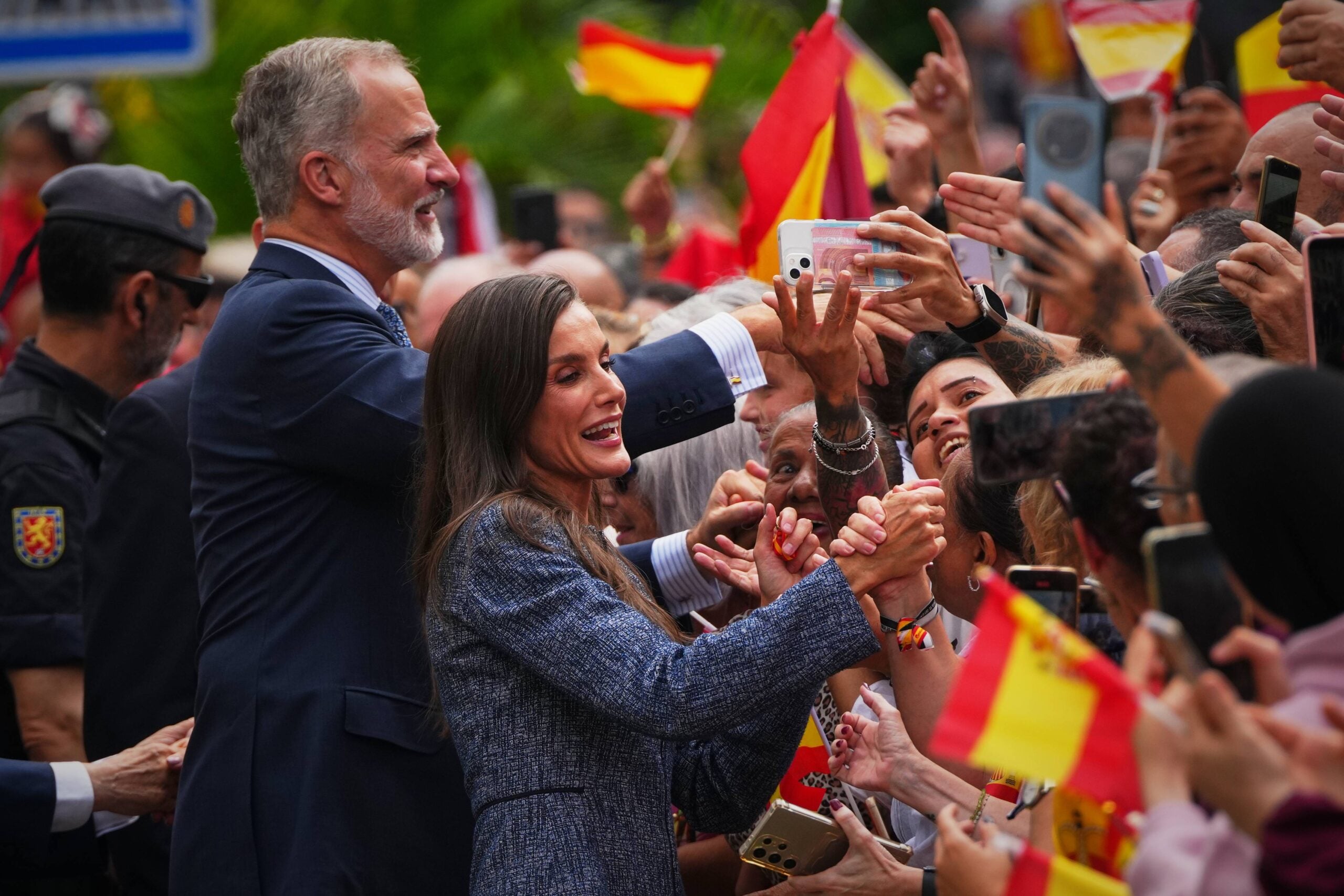
CEUTA was decked out in the yellow and red of the Spanish flag on Tuesday as thousands lined the streets to welcome the city’s first royal visit in nearly 20 years.
King Felipe and Queen Letizia were greeted with cheers and thunderous chants of ‘Long live the King!’ as they arrived in the tiny north African enclave.
The historic occasion marked Felipe’s first visit as monarch of his 12-year-long reign and the first by any member of the royal family since Juan Carlos in November 2007.
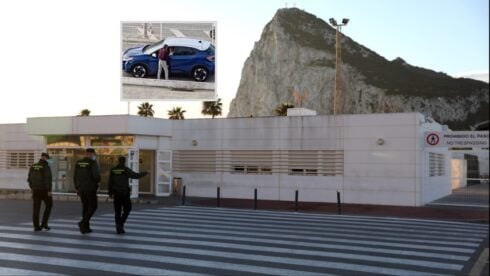
It also comes little more than two months since Ceuta was thrown into the international limelight after more than 80,000 migrants poured into the city from neighbouring Morocco in just a single day.
The royals landed by helicopter at the port around midday, before walking up the Gran Via for 45 minutes shaking hands with residents.
They then arrived at the town hall and appeared on the balcony to thunderous applause and shouts of ‘Ceuta is Spain!’
The city’s president Juan Jesus Vivas appeared alongside the pair to further cheers – but government minister Angel Victor Torres was met with a chorus of boos.
Vivas handed Felipe the baton of command on arrival and later gave the royals the golden key to the city.
In the city’s honour book, the King and Queen wrote that they were ‘grateful for the warmth of Ceuta’s people on a long-awaited and overdue visit’, adding: “There was a debt that today we settle, while conveying the closeness and affection of all of Spain.
They said they had been ‘very attentive and aware of the extremely difficult circumstances’ endured by Ceuta’s residents and wanted to show ‘the commitment of the whole country to the future of Ceuta’s people, which is the future of Spain’.
The royals are set to spend the night in Ceuta – the first time a Spanish head of state has done so during the democratic era – before tomorrow travelling to Melilla, Spain’s other enclave on the north African coast.
They also paid a visit to the Sidi Embarek cemetery to pay their respects to the hundreds of migrants who died in July’s unprecedented border breach.
The high-stakes visit is expected to ruffle feathers in Morocco, who have historically opposed Spanish sovereignty in the region and may well view the royal visit as evidence of Madrid flexing its muscles.
It also comes just a day after it was revealed that Moroccan warships entered Spanish waters on the same day the Ceuta migrant crisis began to unfold.
At least one Moroccan frigate and several patrol boats entered waters claimed by Spain without authorisation on July 30 and 31, risking a major confrontation.
According to El Pais, the naval incursions allegedly continued into early August, bringing Spanish and Moroccan military vessels dangerously close to a collision.
The Spanish navy eventually deployed additional vessels to deter further incursions.
READ MORE: ‘Questions to answer’: Pedro Sanchez finally points finger of blame at Morocco for Ceuta crisis
Speaking to journalists during National Day celebrations in Madrid on Monday, Sanchez acknowledged the incidents – despite previously remaining tight-lipped about Rabat’s involvement in the crisis.
But he sought to play down their significance, telling reporters: “We are geographical neighbours and these kinds of incidents happen. It did happen, but it was resolved through dialogue at the highest level.”
The prime minister said communication between the two countries had been ‘very fluid’ and insisted there had been no repeat incidents since.
Spain deployed the navy patrol vessel Rayo to the region on August 3 to aid the official response, followed quickly by the frigate Santa Maria, which was later replaced by the Navarra after suffering a breakdown.
Click here to read more Spain News from The Olive Press.