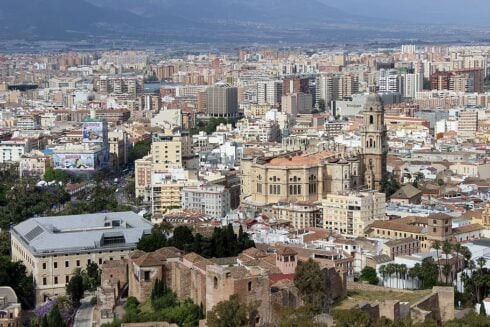

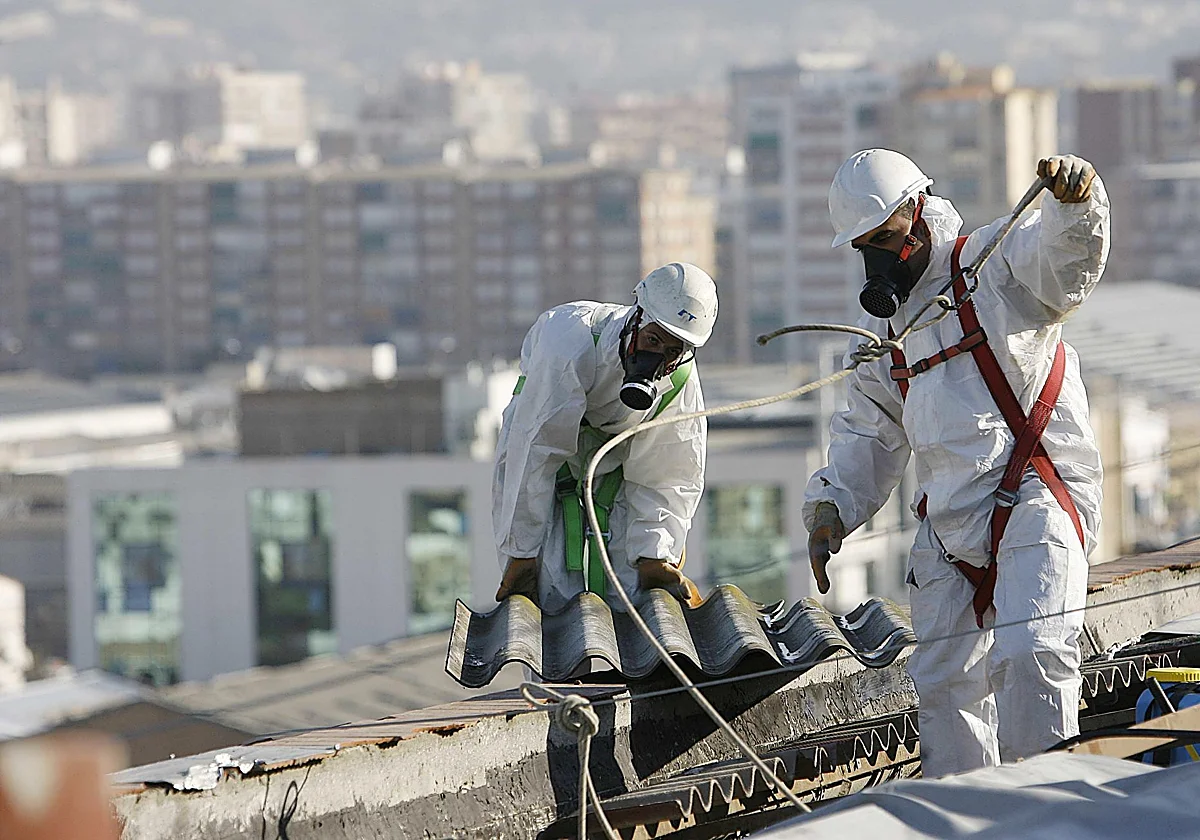
MALAGA is preparing to tackle a toxic legacy hidden across the city’s rooftops.
The council has launched a six-year plan to find and remove asbestos from buildings by 2032.
However, officials still do not know how many properties contain the dangerous material.
A four-month survey will inspect homes, warehouses and public buildings to reveal the true scale of the problem.
AI to help find asbestos roofs
Technicians could use satellite images and artificial intelligence to spot roofs that may contain asbestos cement.
The contract requires the system to identify at least 90% of affected roofs.
Asbestos, known as amianto in Spanish, became popular in construction because it was cheap, strong and resistant to fire.
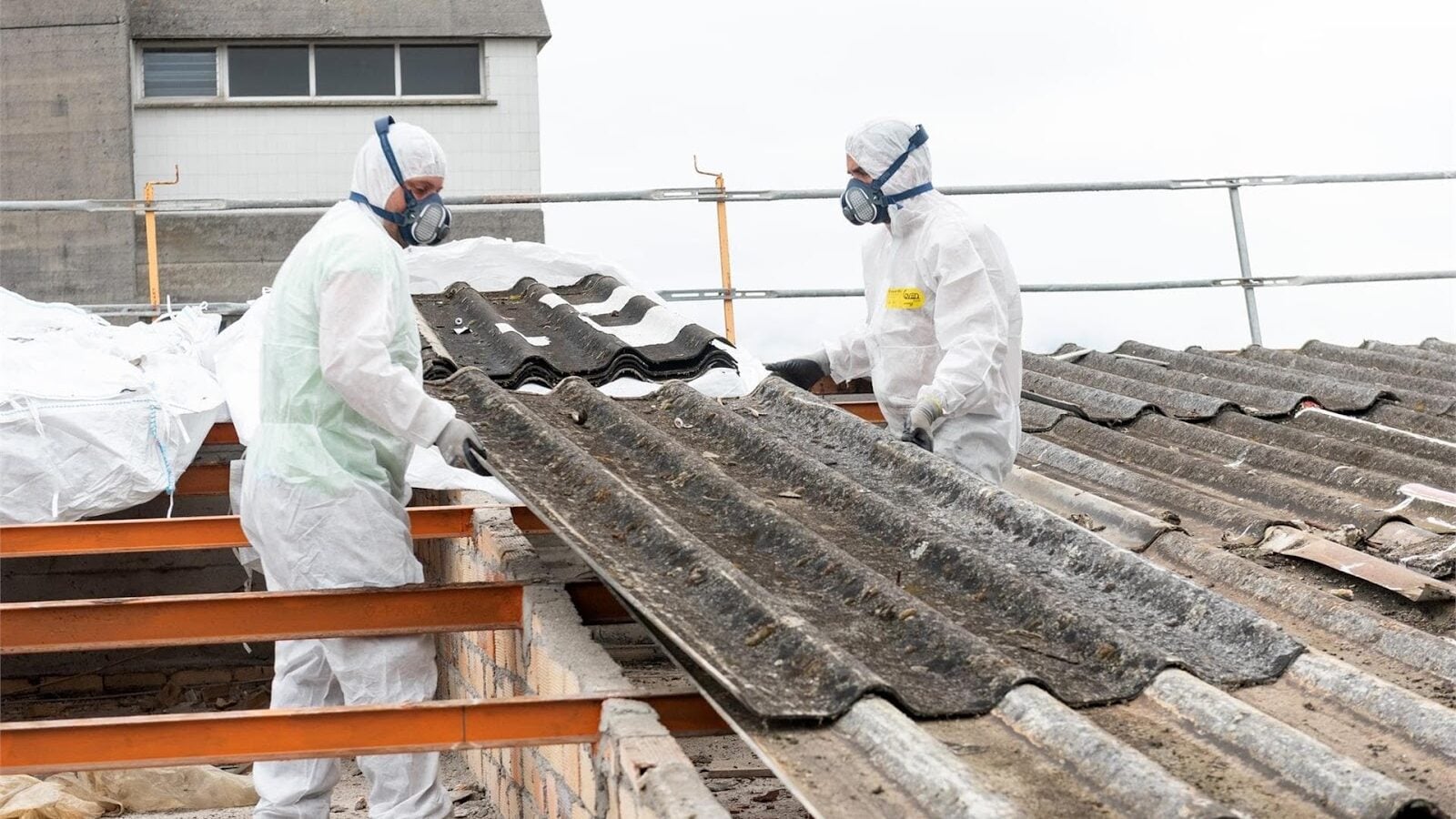
Builders often used it in corrugated roofing panels known as uralita, as well as in old pipes and insulation.
The material does not usually pose a danger while it remains sealed and in good condition.
However, old panels can crack or break and release tiny fibres into the air.
People can breathe in these fibres without seeing or feeling them. The fibres may then remain in the lungs for decades.
Exposure can cause lung cancer, mesothelioma and asbestosis, a serious condition that permanently damages the lungs.
Residents should never drill, cut or remove suspected uralita themselves.
Malaga’s planning department has awarded the €29,282 survey to specialist company Labore Innova.
The company will map suspected asbestos sites and rank them by their condition and the risk they pose to the public.
Inspectors will give priority to buildings near schools, hospitals and care homes.
They will also carry out physical tests on roofs and water pipes at ten council-owned properties.
Experts will then decide whether workers should remove the asbestos, seal it or safely contain it.
READ MORE: Spain’s Malaga reactivates ambitious plans to have largest urban forest in Mediterranean Europe
Asbestos remains in older buildings
Spain banned asbestos in 2002, but large amounts still remain in older buildings.
A national law introduced in 2022 ordered councils to create public asbestos registers and set removal deadlines.
Malaga’s survey will now show where asbestos remains, which sites pose the greatest danger and how much the clean-up will cost.
The findings will mark the first step towards removing a toxic material that has remained hidden above the city’s streets for decades.
Click here to read more Andalucia News from The Olive Press.