BRITAIN’S attempts to salvage a treasure trove of gold sunk off the coast of Gibraltar centuries ago were foiled by Spain and the Guardia Civil, leaked cables show.
The cables, released by WikiLeaks and uncovered in a Telegraph investigation, detail a decade-long British attempt to recover the wreck of HMS Sussex, a Royal Navy flagship that sank off Gibraltar in 1694.
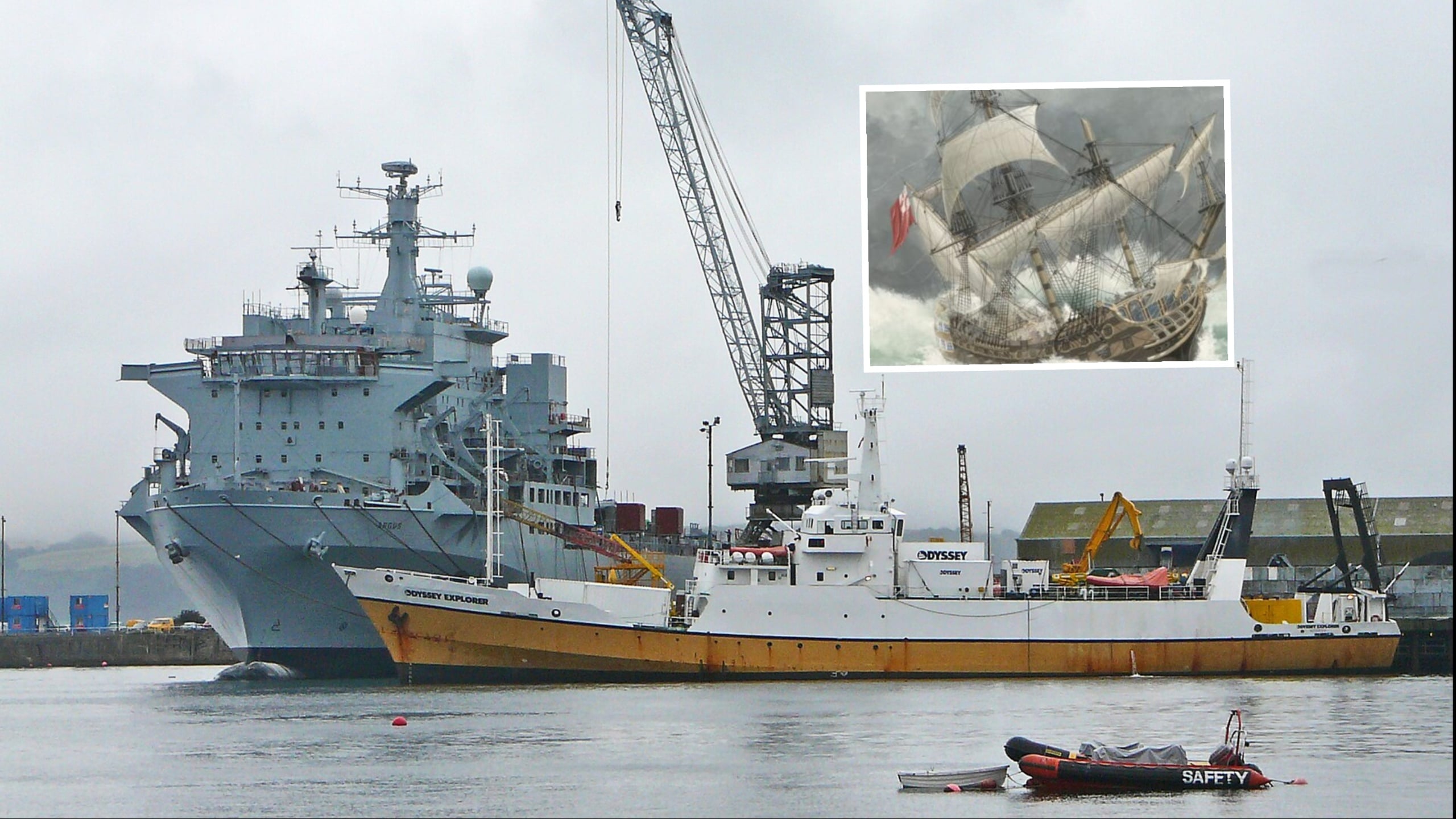
A US salvage company was even brought in to search for it in 2002, working under a formal deal with the British government in which the two parties would split the booty.
However, Spain never accepted the operation due to its dispute with the UK over the sovereignty of Gibraltar’s waters.
READ MORE: Arrest of Spanish ‘burglar’ in Gibraltar sparks row with Chief Minister over post-treaty security
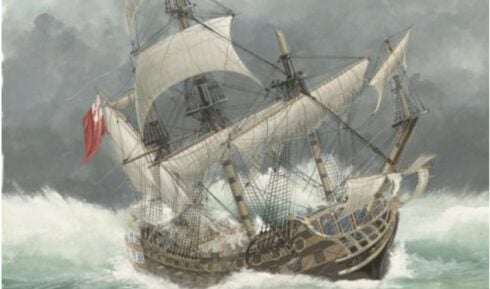
Fear of damaging relations with Spain ultimately led the UK to back down in its search for the wreck of HMS Sussex, thought to harbour sunken treasure worth a stunning €6.4 billion.
All efforts to approach the wreck location, which US company Odyssey Marine Exploration announced in 2001 that it was ‘99%’ certain it had located 821 metres down in international waters in the western Mediterranean, were subject to harassment by the Guardia Civil.
Guardia Civil patrol boats would intercept the salvage crew’s ships, board them, and demand passports, only to do it again days later.
“For some reason, Spain didn’t like us and would terrorise us at every opportunity,” marine archaeologist Neil Cunningham Dobson, who worked on the project, told the Telegraph.
The wreck is thought to hold 10 tonnes of gold coins, intended to pay Victor Amadeus II, Duke of Savoy, to keep fighting Louis XIV’s France during the Nine Years’ War.
That cargo would be worth up to €6.4bn (£5.5bn) today, though the estimate is unconfirmed and the wreck itself has never been conclusively proven to be the Sussex.
Britain signed a deal with Odyssey in 2002 to recover it and split any treasure found.
READ MORE: Gibraltar claims that sales are rocketing since border opening – but small business owners disagree
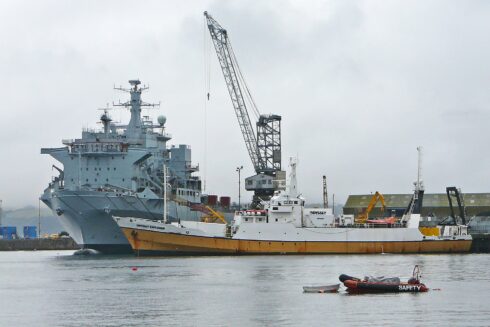
But cables show the pressure on Britain to abandon the project came from the top of the Spanish government, not just from patrol boats on the water.
Then-culture minister Carmen Calvo told the US ambassador in 2005 that Odyssey would search for the Sussex ‘over her dead body.’
Tom Dettweiler, one of the project’s managers, said the team repeatedly urged Britain to formally extend its claim over the waters around Gibraltar to shield the operation from exactly this kind of interference.
But ministers refused every time.
“The government didn’t want to cause a major incident, so they continually backed down,” he said.
The dispute collapsed the operation entirely in 2007, after Odyssey recovered a separate, unrelated haul of silver coins from a wreck it code-named Black Swan and flew it out through Gibraltar without first briefing Spanish officials.
Madrid felt blindsided and suspended all cooperation on the Sussex project as a result.
READ MORE: Gibraltar makes first arrests for entering the Rock illegally since border opened up
Dame Denise Holt, then deputy head of the British embassy in Madrid, warned London that the row posed ‘an unnecessary threat’ to relations with Spain, according to a confidential cable from that period.
She said Britain would review its contract with Odyssey with a view to terminating it, and confirmed the government would not assist Odyssey’s ships once they sailed out of Gibraltar.
Without that support, the recovery agreement quietly expired.
Britain’s own choices had already left the operation exposed.
International law lets a coastal territory claim up to 12 nautical miles of territorial sea, giving it full legal control over policing and salvage rights in that water.
Britain has only ever formally claimed three nautical miles around Gibraltar – yet even these minor territorial waters are disputed by Spain as part of their claim to the soveriegnty of the Rock.
The outer stretch, including the wreck site itself, sits outside Britain’s own legal authority and open to Guardia Civil interference.
Sir David Davis, the former Conservative Cabinet minister, wants that changed.
“It seems to me a classic piece of British Foreign Office pusillanimity not to extend it,” he said. “It should be done.”
HMS Sussex sailed from Portsmouth in 1694 at the head of a 214-ship fleet bound for the Mediterranean.
It was anchored off Gibraltar when a violent storm hit in February that year, sinking the ship with all but two of its 550 crew.
Its commander, Admiral Sir Francis Wheeler, drowned trying to swim ashore. His body was found two days later, still in his nightshirt.
Modern technology could make a fresh attempt far easier than the one that failed between 2001 and 2007.
Autonomous underwater vehicles and improved salvage tooling did not exist when Odyssey first surveyed the site, according to Cunningham Dobson.
Dettweiler, now president of American Ocean Minerals, a firm in the process of merging with Odyssey, said he would consider going back if British ministers backed a new attempt.
“It’s possible,” Dettweiler said.
Click here to read more Gibraltar News from The Olive Press.