
SALES are rocketing since the frontier opened up, according to the Gibraltar government – but two-thirds of small businesses reported no change in euro takings in a recent survey.
Since the treaty came into force on July 15, formal immigration controls at the land frontier with Spain have stopped, meaning visitors can walk or drive into Gibraltar without passing through a passport check.
Traders and small businesses were expected to be among the most exposed to the change, with the new customs arrangements causing considerable nervousness on the Rock in the weeks beforehand.
Two weeks in, the Gibraltar government declared the early signs encouraging.
READ MORE: Gibraltar makes first arrests for entering the Rock illegally since border opened up
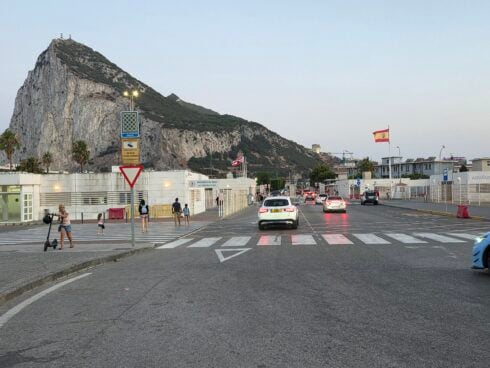
A number of local traders reported a sharp rise in sales, and that the money was arriving in euros rather than sterling, which it took as proof that the spending was coming from visitors crossing the frontier.
Chief Minister Fabian Picardo said the deal was doing exactly what it was designed to do, seeing euro-denominated sales rising by more than 240% against the two weeks before July 15.
“We are hearing directly from traders that more visitors are coming into Gibraltar and, importantly, that they are spending money in our shops, restaurants and businesses,” he said.
“While it is still early days, the initial signs are extremely positive.”
But when the Gibraltar Federation of Small Businesses (GFSB) asked its members the same question, the answers did not match.
Most of the businesses that responded said nothing much had changed at all, and two in three said the first fortnight under the treaty had been bad for them.
In its July 31 statement, the government said some traders had recorded euro-denominated sales rising by more than double, and by more than 150% on the same fortnight last year, generating an estimated €933,000 in Transaction Tax and €1.14 million in import duty.
The GFSB ran a flash survey — a quick poll of members, open for a single day — and got 114 responses.
Of those, 67.5% had seen no noticeable change in euro-denominated sales since July 15.
Only 12.2% reported any increase at all, and just three of the 114 recorded euro takings more than doubling.
Two in three respondents, 66.7%, described the treaty’s impact on their business so far as somewhat or very negative, against 7.0% who called it positive in any degree.
On a year-on-year basis, 31.6% said July 2026 had been worse than July 2025 — three times the 10.5% who said it had been better.
But the most one-sided finding had nothing to do with the tills.
A total of 81.5% said getting stock into Gibraltar had become harder since July 15, with 67.5% calling it ‘much more difficult’, and not one respondent said it had become easier.
More than three-quarters, 76.3%, had hit customs, freight or border problems, over half of them frequently.
That is the half of the treaty the sales figures do not capture.
Immigration checks on people came off the frontier on July 15, but goods crossing into Gibraltar became subject to new customs paperwork and product codes, and traders say their suppliers were not ready for it.
One respondent said merchandise dispatched before the deadline still had not turned up.
“We have packets of merchandise that have been sent to us before the 15th of July and at the day of today we have not yet received them. We have lost various sales due as we have not been able to deliver.”
The Government’s own release carried a clue to the same disruption, noting that fewer goods vehicles had been arriving in Gibraltar, with volumes running at around two-thirds of normal levels.
However, visitor numbers have definitively increased since the border opened, with 31.5% reporting more customers from outside Gibraltar against 10.5% seeing fewer.
More people are coming. They are just not spending more.
Gibraltar’s opposition, the GSD, has questioned whether the tax receipts prove anything at all.
The Transaction Tax is a flat 15% charge applied across the board on goods sold in Gibraltar, brought in under the treaty to replace an import duty system that charged 0%, 3%, 6% or 12% depending on the product.
Because almost every rate went up, receipts can rise even when the number of items sold falls — a point the GSD made in arguing that higher tax alone demonstrates neither higher sales nor stronger economic activity.
Traders raised the same tax as their single biggest grievance.
The GFSB said the most frequently raised issue in written comments was the Transaction Tax, which respondents described as non-reclaimable — meaning they cannot claim it back the way a business reclaims VAT — and a direct hit to cash flow and margins.
READ MORE: Three Spanish nationals arrested in brawl at Gibraltar outdoor swimming pool
Retailers described rising landed costs feeding through to higher shelf prices, and the federation’s summary of that theme was stark.
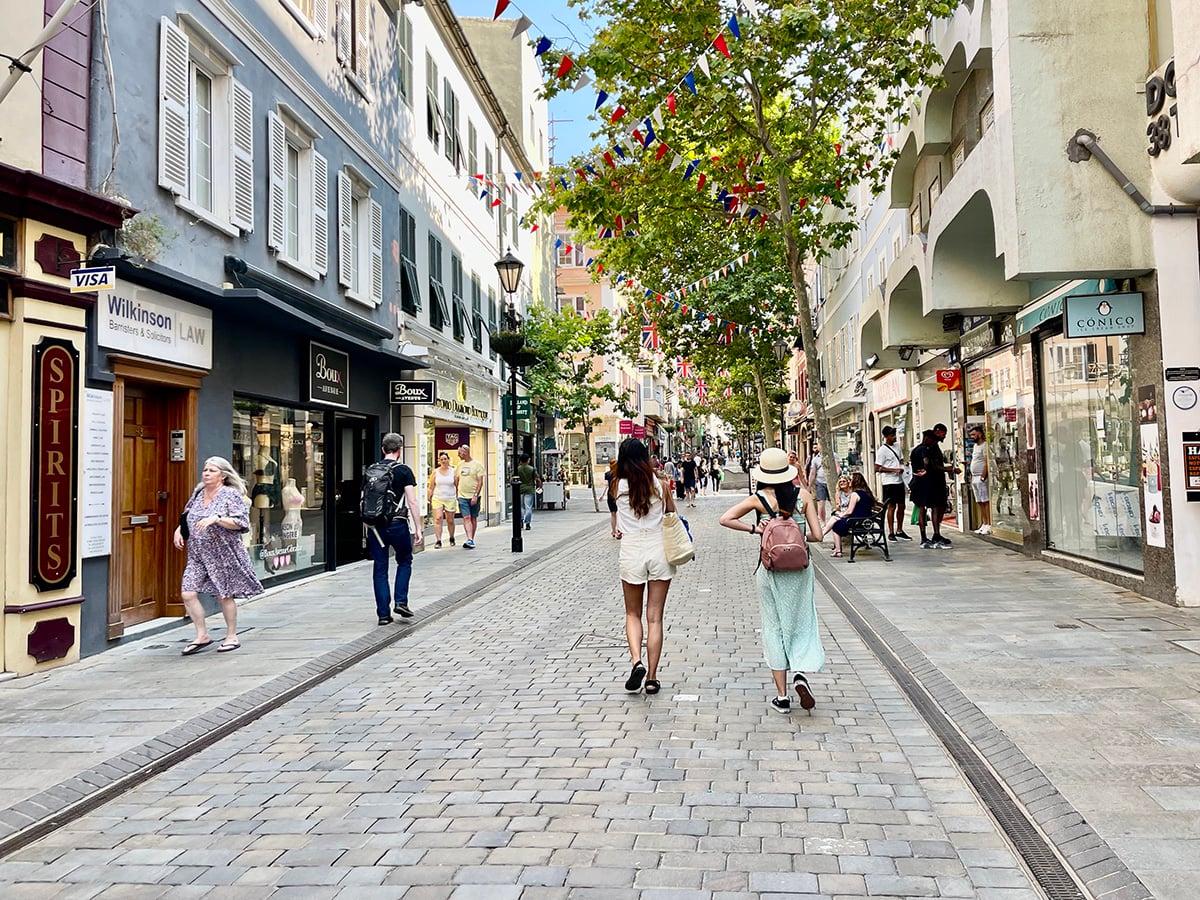
Rising prices meant fewer customers buying in Gibraltar, and the duty-free shopping of Main Street, the Rock’s central shopping strip and the traditional draw for cut-price spirits, tobacco and perfume, had fundamentally changed.
The survey is not a scientific poll.
Members opted in rather than being sampled, and 76.3% of respondents were retailers, which is why the GFSB itself said the findings should be read as principally reflective of retail.
No business in freight, logistics or customs clearing responded at all, despite the frontier being the survey’s dominant complaint.
The GSD had already asked the government to show its workings before any of it landed, demanding to know how many businesses were consulted, which sectors they came from, and whether isolated examples were being presented as the overall picture.
Craig Sacarello, the Shadow Minister for Business, said the government should publish the full evidence behind its statement.
“This way, traders and the public can properly judge whether the benefits being claimed are genuinely being felt across Gibraltar’s retail sector and are not solely based on Government spin, so we can all share in the Government’s optimism,” he said.
The Government has not said how many traders it spoke to.
Click here to read more Gibraltar News from The Olive Press.