

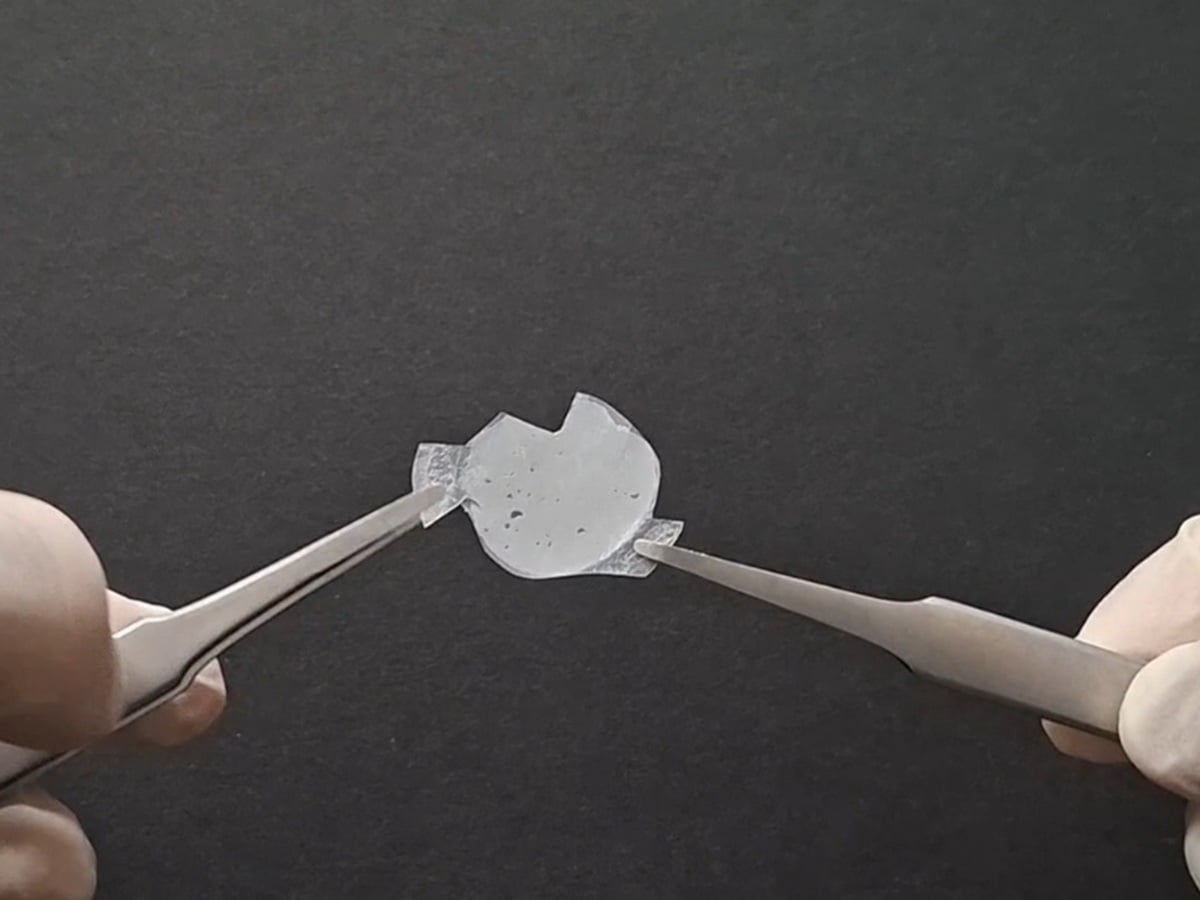
SPANISH researchers have created a new material capable of cooling buildings by more than 10C without electricity, potentially leading to huge cost and energy savings amid rising temperatures worldwide.
Developed by scientists at Madrid’s CSIC research centre, the nanomaterial kept coated surfaces 13C cooler than uncoated areas during tests in Madrid last summer.
Experts say the compound could be used on buildings, roofs, electronic devices and even cars, slashing emissions and the costs linked to air conditioning.
Cristina Vicente, leader of the COOLed project that developed the material, said: “It is cheap to make and can be adapted to industrial processes … This could help reduce the need for active cooling and, in turn, energy consumption and emissions associated with the use of air conditioning.”
The technology works by reflecting heat off of a surface rather than using electricity to remove it.
The material is designed to reflect most of the sun’s rays, preventing the surface from heating up in the first place.
At the same time, it releases any heat it does absorb as infrared radiation.
The researchers used a polymer called PVDF, which is particularly good at releasing heat as infrared radiation.
It is also resistant to ultraviolet radiation and moisture, which means its water-repellent surface can help it stay clean outdoors.
To improve its ability to reflect sunlight, the researchers treated the material with ultraviolet radiation, effectively turning it whiter and increasing its reflectivity.
The researchers say the technology is still at an early stage, with more work needed before it can be used commercially.
Cooling currently accounts for almost 20% of global electricity consumption, with demand expected to continue rising in the coming decades as temperatures increase.
Click here to read more Technology News from The Olive Press.