
SPAIN’s football federation will pay for its female stars to freeze their eggs as efforts grow worldwide to help players balance their sporting careers with family life.
The RFEF is currently working on a deal with a fertility clinic, El Pais reported, with the agreement set to be finalised later this month.
The move will give Spain’s top female footballers an opportunity to push pregnancy back until after their careers have finished, taking pressure off the choice between their careers and personal lives.
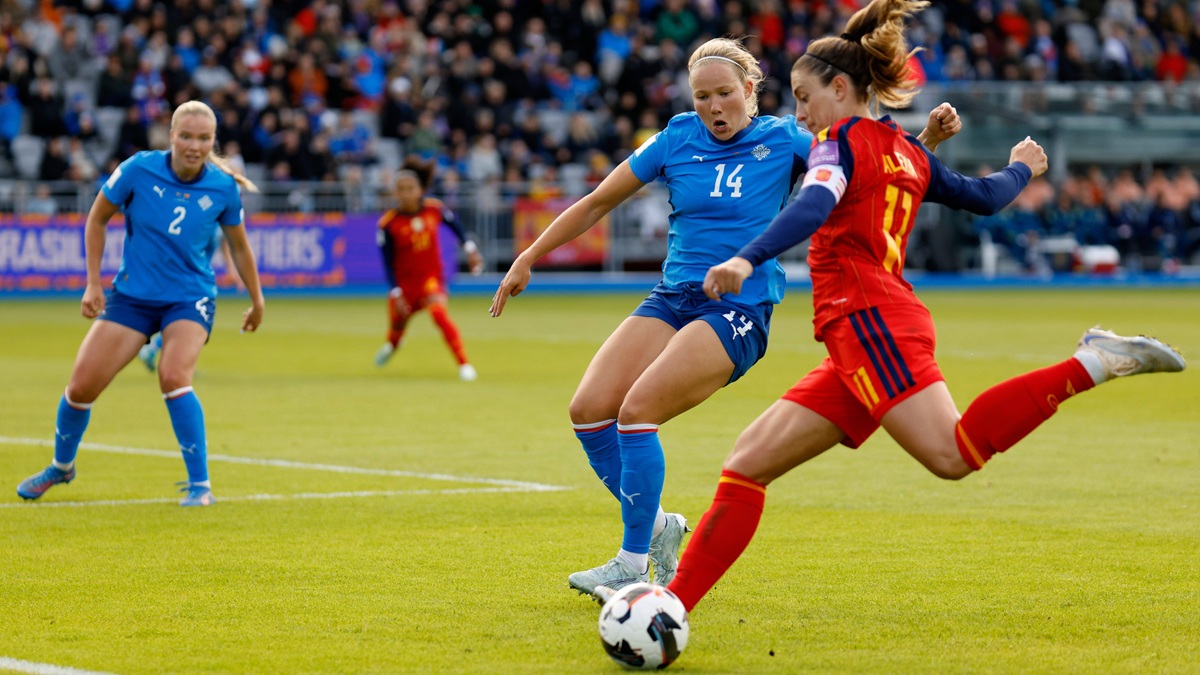
Spanish striker Alexia Putellas, a two-time Ballon d’Or winner and a player for London City Lionesses, told El Pais: “It is enormous progress, because the Federation understands that you are serving your country by going against your biological clock.
“You cannot stop and you cannot become a mother because you need your body in order to work.”
European football federation UEFA first championed the policy earlier this year, with clubs and organisations such as Chelsea and England’s PFA also announcing deals with fertility clinics throughout 2026.
In Spain, the RFEF’s decision follows a raft of other policies introduced from 2025 onwards to support professional footballers in reconciling their careers with family life.
According to a collective agreement for Spain’s Primera Division, signed last year, clubs in the women’s league must provide a breastfeeding room at facilities used for training or matches.
If a player becomes pregnant during the final season of her contract, she has the right to choose an automatic one-season renewal on the same terms or not to renew.
Clubs must also offer childcare during training and matches until the player’s child is at least three years old.
Spain’s women’s league, Liga F, must also make specialist doctors available on request while a player is pregnant or after childbirth to help her return to sport.
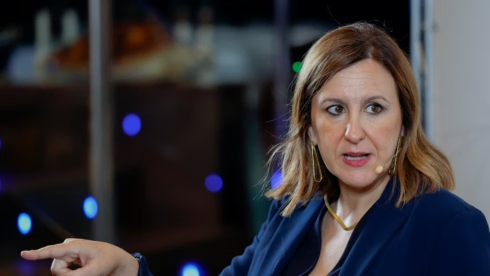
Marta Perarnau, the president of players’ association FUTPRO, praised the upcoming RFEF deal with the fertility clinic, adding that returning to competition after becoming a mother can be ‘very difficult.’
She said: “Many players postpone the decision to become mothers and, when they make it, it may already be too late. We try to ensure they are not conditioned by their careers.
“Returning to compete after becoming a mother is very difficult; we don’t have scientific studies on female footballers, we don’t have recovery protocols, we don’t know what they need to do to recover and perform at their best.”
Click here to read more Sport News from The Olive Press.