
FEARS are growing for the future of iconic Spanish car brand Seat after its German parent company Volkswagen admitted that deciding whether to continue investing in the marque beyond 2030 is becoming ‘increasingly complex’.
Volkswagen said on Friday that the future of Seat will depend heavily on how European emissions regulations develop, although it stressed that ‘no decision has been taken yet’.
The company said that increasingly strict regulations, combined with the cost of electrification and the investment required to develop a new generation of electric models, had made the case for continued investment in the brand more difficult.
It nevertheless insisted that Seat ‘has an important role to play’ within the Volkswagen Group, pointing to its vast industrial base in Martorell, Catalunya, and the ‘unstoppable growth’ of sister brand Cupra.
The comments come just days after German media reported that Volkswagen was considering ending the historic Spanish brand as part of its wider restructuring.
According to German business magazine WirtschaftsWoche, Seat could disappear as early as 2029.
Volkswagen has now poured cold water on that claim – but only partially.
“Several scenarios beyond 2030 remain possible,” the company said, adding that Seat’s future would be assessed according to changes in regulation, customer demand and market conditions.
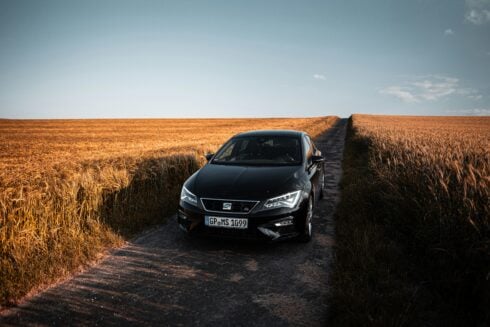
The company will continue with planned updates to the Ibiza and Arona models, including mild-hybrid versions due to hit the market in 2027, both of which are manufactured at the huge Martorell factory near Barcelona.
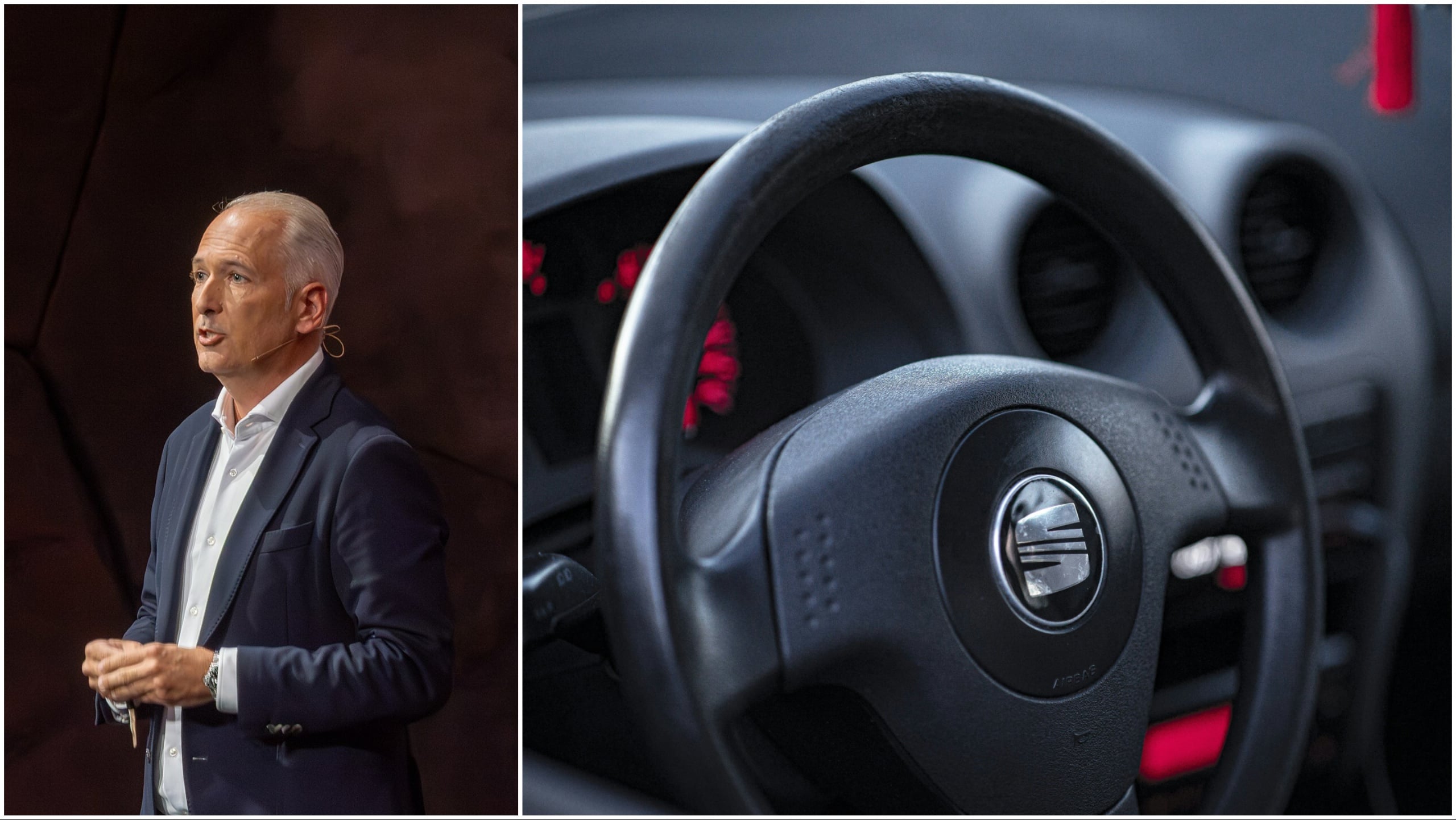
Meanwhile, Seat and Cupra boss Markus Haupt said the company was ‘building a strong future for Seat SA and Martorell’, pointing to a €10 billion sum Volkswagen has invested in Spain to electrify production.

Martorell already produces electric vehicles including the Volkswagen ID. Polo and Cupra Raval, while Volkswagen is also investing in battery production in Spain.
The problem is that Seat itself has no fully electric model currently in the pipeline.
Instead, investment has increasingly flowed towards Cupra – the sportier, more premium brand born out of Seat in 2018.
Cupra has enjoyed rapid growth and higher profit margins, with the profits made on each vehicle sold increasing by 35% between 2019 and 2024.
The future of the historic brand is therefore likely to hinge on whether Volkswagen believes it still has a place alongside its increasingly successful offspring.
Seat, which employs more than 14,000 workers across Spain, was founded 76 years ago and became synonymous with Spain’s post-war industrialisation.
The brand was acquired by German giant Volkswagen in 1986.
Click here to read more Spain News from The Olive Press.