
ANDALUCIAN divers have set out to unravel a century-old naval mystery as they explore a shipwreck off the coast of Marbella for the first time.
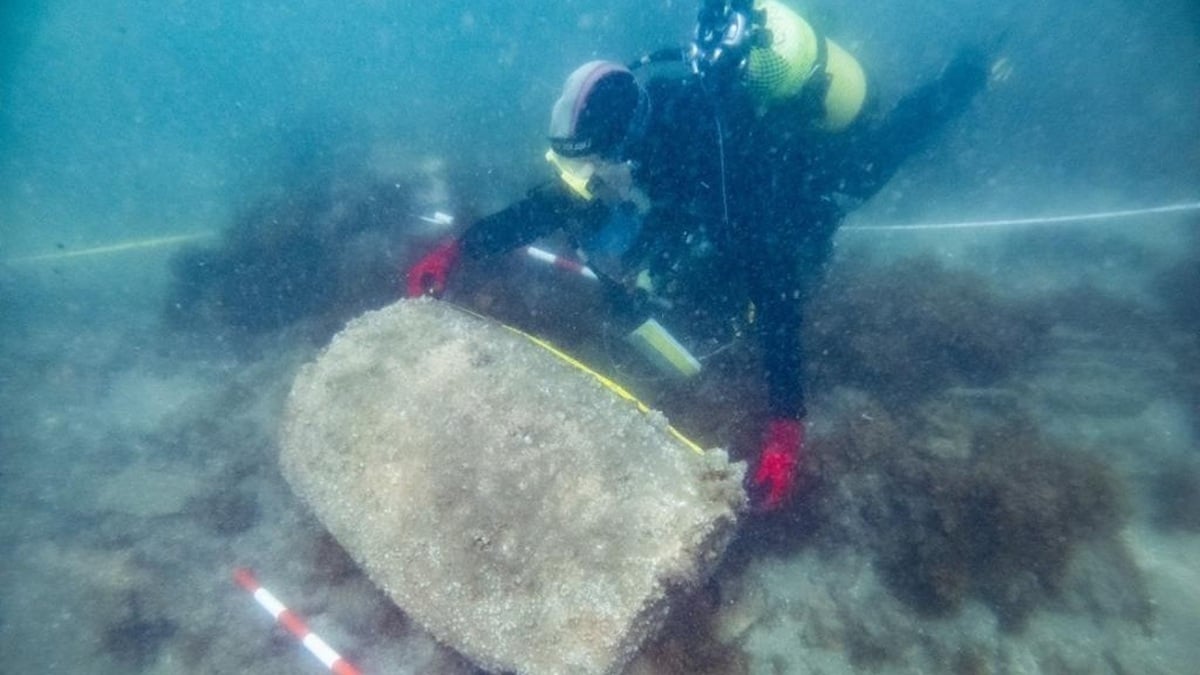
The 39-metre vessel, which was first spotted in 2022, lies at an average depth of just six metres off Cabopino, with its structure and parts of its cargo still well preserved.
Researchers are trying to determine whether the wreck is that of an Italian sailing ship that likely sank in November 1887, in what they say could mark a milestone in historians’ understanding of 19th-century maritime trade.
READ MORE: British actress Naomi Watts to receive prestigious Donostia Award at San Sebastian Film Festival
Andalucian culture minister Patricia del Pozo said: “[This shipwreck is] a first-rate material testament to contemporary maritime history.
“The study of the Cabopino shipwreck site will help advance our understanding of the history of transoceanic trade during the 19th century,” she added.
The exploration is due to begin today (Tuesday) and run until September 30.
Divers from the Andalucian Institute of Historical Heritage (IAPH) have been tasked with investigating the archaeological site and gathering evidence to help historians identify the ship.
As part of the project, the IAPH will also map the vessel before making a 3D model available to the public.
During a preliminary probe in 2022, researchers found that the wreck had preserved a remarkable glimpse of its lost cargo, including French-made roof and floor tiles stamped with the marks of Marseille manufacturers.
There were also several barrels containing wood, suggesting the ship was carrying construction materials across the Mediterranean.
Investigators are now working on the hypothesis that Cabopino may be the wreck site of an Italian two-masted ship called Gagliano or Garegliano.
Historians believe the vessel, known as a brig-barque, foundered somewhere in the Mediterranean while transporting construction materials from Marseille to Buenos Aires.
The link has yet to be confirmed, but the historical records and archaeological evidence appear to match ‘closely’, the IAPH has said.
Click here to read more Marbella News from The Olive Press.