
GIBRALTAR is taking its complaint to Brussels after finding some of its residents have been forced into the EU’s new biometric border checks despite being exempt.
Officers at Malaga airport, Barcelona airport and the northern ferry ports of Santander and Bilbao have all scanned passports into the EES on arrival, even after being shown their Gibraltar ID cards, according to local residents.
Some describe officers who openly admitted they were unsure of the rules, one of whom checked the regulations on his phone before registering the entry regardless, while others had a registration cancelled on the spot after pointing the officer to the relevant article of the treaty.
The result, residents complain, is that whether the exemption is honoured depends largely on which officer they happen to get.
The problem is compounded at home, because there is no longer a border post at La Linea to log residents leaving Schengen, meaning anyone registered on arrival in Spain has no exit on record once they cross back into Gibraltar and the system’s 90-day clock keeps running.
The government is now calling on every Gibraltar resident wrongly registered on the Entry/Exit System (EES) since July 15 to come forward.
The case will then be raised with the European Commission, with the intention of removing those Gibraltarians and residents wrongly registered.
The EES takes fingerprints and a facial scan from non-EU travellers and logs every entry and exit to make sure they comply with the rule limiting them to 90 days in any 180 inside the Schengen zone.
It means that Gibraltarians wrongly registered may end up being flagged as having overstayed and be in line to face bogus penalties.
Under the post-Brexit treaty, which came into effect on July 15, holders of Gibraltar identity cards and civilian registration cards are exempt from those checks at Gibraltar’s airport and at every external Schengen border, covering ‘airports and ports in all Schengen States including Spain’.
Deputy Chief Minister Joseph Garcia said last week the Gibraltar government had received ‘a number of reports’ from residents who had not been able to use that exemption ‘at different entry points into the Schengen area’.
“In some cases they have been directed to register on the EES, even though they are exempt from it, and in others an entry into the Schengen area has been recorded, without a corresponding exit,” he said in comments carried by the Gibraltar Chronicle.
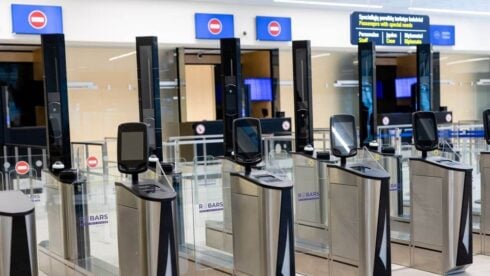
Although the Commission has told the Schengen zone’s roughly 1,500 crossing points about the new arrangements, Garcia admitted ‘the message will not yet have trickled down to every single border guard everywhere’.
But while the Gibraltar government named no countries, Gibraltar residents say most of their brushes with the system have come at the hands of Spanish border police.
One resident, logged at Malaga days before the treaty came into force and then refused an exit record by Spanish officers at the frontier, says the EU’s own online calculator now shows no days left in the bloc at all.
Spain is still applying the EES in full at all its external entry points, according to the Sunday Times, even as France, Germany, Italy and six other Schengen states have reportedly eased the checks while technical faults with the system are ironed out.
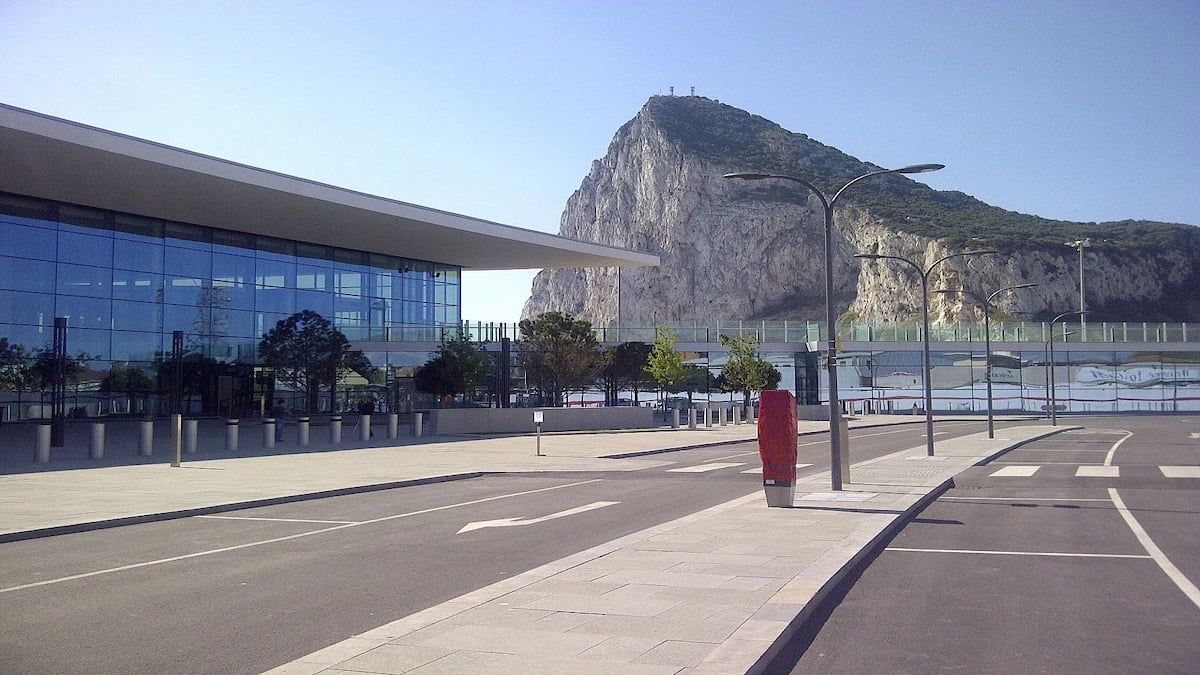
Since July 15, Policia Nacional officers have also carried out the Schengen check at Gibraltar’s own airport, straight after Gibraltar’s immigration control.
The government’s advice is for residents to carry both their passport and their Gibraltar card, show both at the border and, if an officer still tries to register them, ‘politely explain’ that they are exempt.
It admits there is no public tool to check whether a registration exists, though it says the EU’s online ‘How long can you stay?’ calculator showing fewer than 90 days remaining is a sign that one does.
The government acknowledges that being wrongly registered can be ‘upsetting, frustrating and inconvenient’, but insists responsibility lies with ‘the relevant Schengen State, and its border authorities’.
Until those authorities act, it concedes it ‘cannot intervene in or reverse decisions made by individual border officials’.
Gibraltar has now issued a technical notice asking any residents registered since July 15 to email eesinfo@gibraltar.gov.gi with the date, the crossing point and whether their fingerprints or face were scanned, so that each case can be raised ‘through the appropriate channels’.
Click here to read more Gibraltar News from The Olive Press.