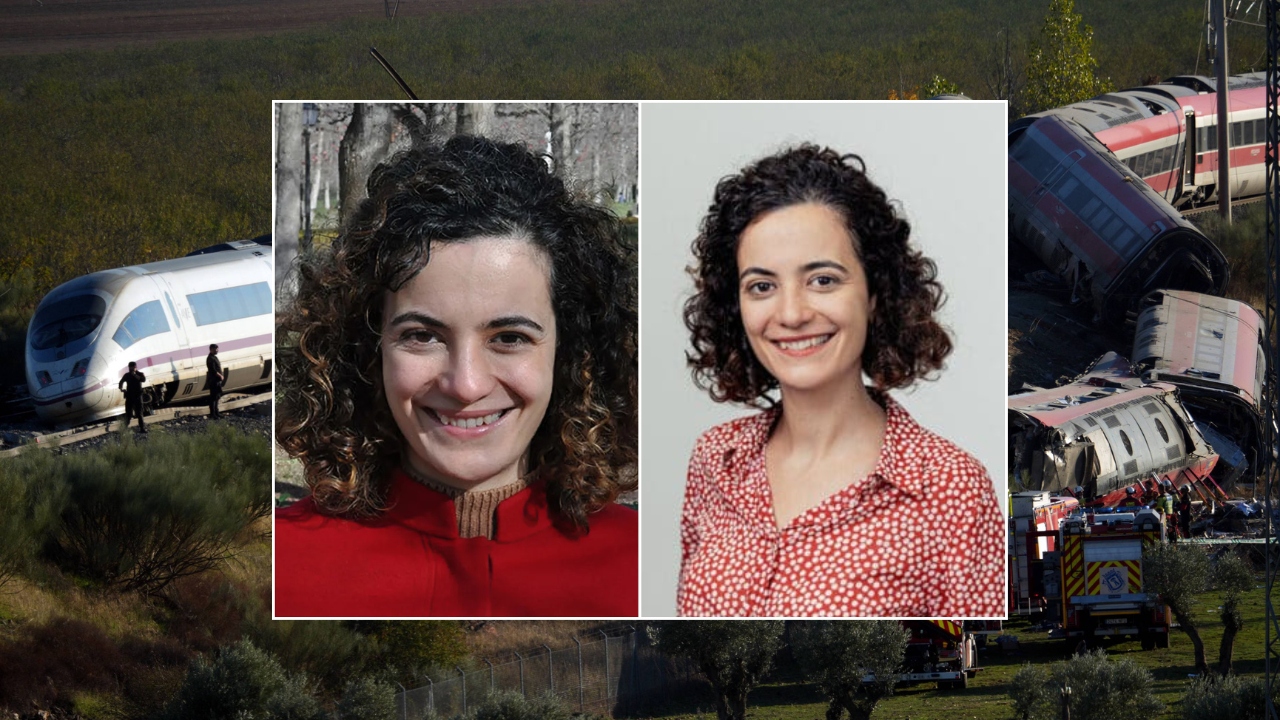
A CAMBRIDGE University scientist travelling to the south of Spain to receive an award for her pioneering research on IVF has been confirmed as one of the victims of the Toledo train disaster.
Dr Marta Shahbazi, 41, was travelling in the front carriage of the doomed Renfe AVE high-speed service when it slammed into the back of a stationary Iryo train near Urda on Wednesday morning, sending four carriages plummeting off the tracks and down an embankment.
Marta, who was born in Leon in northern Spain, was on her way to collect the prestigious scientific excellence prize from the Spanish Society of Developmental Biology when tragedy struck.
The award was due to be presented at the society’s conference in El Rompido on the Huelva coast.
The mother-of-two, who lived in Cambridge with her husband Mirco Petruzzelli and their children, aged three and seven, had spent the night before the crash having dinner with her family at her brother’s home in Madrid.

Her children had been due to travel to Huelva on Friday to join her.
Speaking to El Pais before her death was confirmed, her brother said: “The odds are very slim but we are clinging to a final shred of hope.
“My sister Marta is a wonderful, affectionate and happy person, and a tireless worker.”
Shahbazi led her own research group at the MRC Laboratory of Molecular Biology (LMB) on the Cambridge Biomedical Campus, and was an affiliate associate professor at the University of Cambridge’s Stem Cell Institute.
Her team studied the critical stage when an embryo implants in the womb, when the basic body plan forms and when around 30 per cent of human pregnancies fail.
Using spare embryos donated by IVF patients, she investigated how embryos with chromosome errors, found in around 80 per cent of early human embryos, can sometimes overcome them and develop normally.
READ MORE: Remarkable tale of passenger who walked away unhurt from both Adamuz and Toledo train disasters
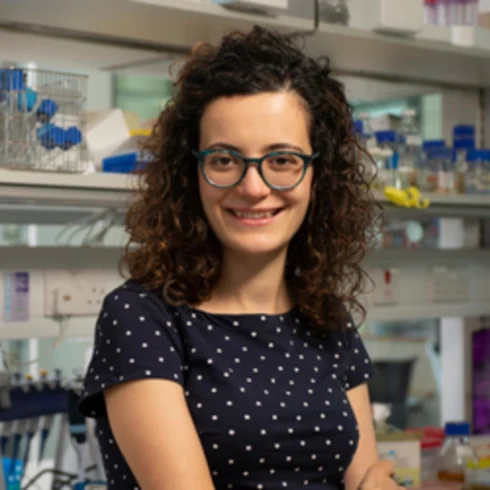
She completed her PhD at the Spanish National Cancer Research Centre (CNIO) in Madrid before moving to Cambridge as a post-doctoral fellow, and joined the LMB in 2020.
The LMB said it was ‘deeply saddened’ by the death of its colleague.
A statement read: “Marta was an inspiring, talented and passionate scientist. Her death is a profound shock and a huge loss.
“Our thoughts are with her family, friends and colleagues at this extremely difficult time.”
Her death was confirmed by the CiMUS research centre in Santiago de Compostela , where her aunt Maria Jose Alonso is a principal investigator.
“The CiMUS community would like to express its support and deepest sympathies to our dear PI Maria Jose Alonso, following the death of her niece, Marta Shahbazi, in the railway accident that occurred on October 28,” the centre said.
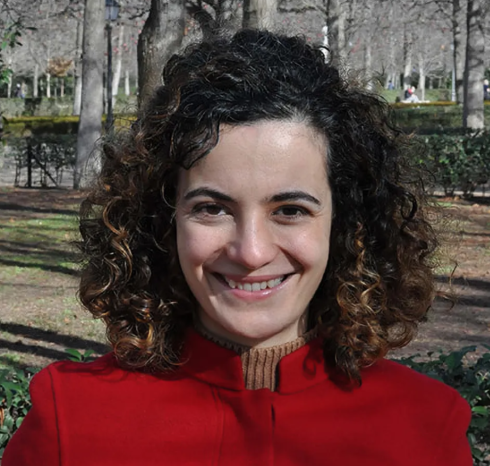
“Marta was a brilliant young researcher, Group Leader at the MRC Laboratory of Molecular Biology and Affiliate Associate Professor at the Cambridge Stem Cell Institute, University of Cambridge.
“At this difficult time, we extend our heartfelt condolences to Maria Jose and her family, as well as to Marta Shahbazi’s colleagues and collaborators.
“Our thoughts are with them all, and we wish them strength and comfort as they come to terms with this profound loss.”
As of Sunday afternoon, the death toll from the disaster stood at 69 – making the crash Spain’s deadliest rail accident since 80 people died in Santiago de Compostela in 2013.
56 victims have been formally identified, with the remaining 13 all understood to be foreign nationals.
A total of 41 people remain in hospital, 16 of them in intensive care.
Click here to read more Spain News from The Olive Press.