
THERE is no single, nationwide tourist tax in Spain, but several tourist hotspots have opted to charge its visitors a per-night fee to mitigate the impacts of over-tourism in its regions.
The revenue from these charges are reinvested into the community, funding public services and infrastructure, as well as projects that protect cultural heritage and local environment.
Often called a ‘sustainable tourism tax’ or ‘ecotax’, the levies are implemented regionally by autonomous communities, so the sightseer contributes to preserving the destination they are visiting.
For years, only two autonomous communities had a widespread tourist tax, Catalunya and the Balearic Islands were the only two autonomous communities that had a widespread tourist tax.
Catalunya introduced the charge in 2012, including a significant additional charge for those visiting Barcelona, known as the city-specific surcharge.
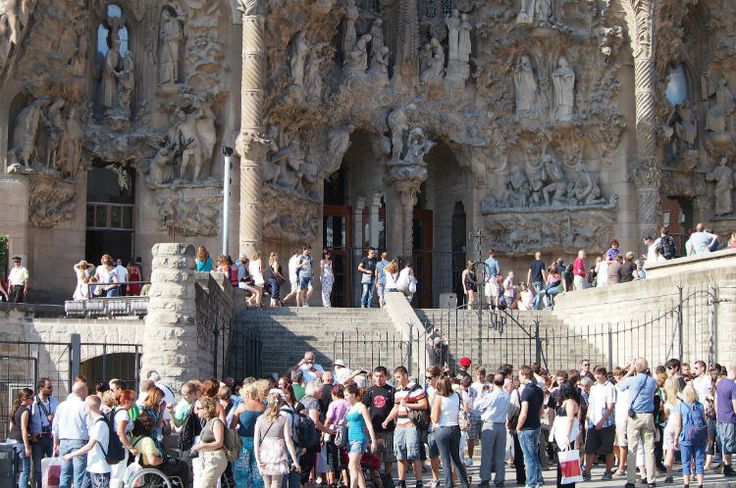
Tourism in Catalonia’s most visited city has led to increasing tensions between residents and visitors, as tourism has come to dominate the city.
While visitors are currently charged €4 per night, its City Council voted to double its tax to €8 by 2029. Only on July 29, officials agreed that ‘the more tourists pay, the less residents will have to.’
This vow to increase the Barcelona charges is an addition to Catalan’s tourism tax and means tourists staying in a five-star hotel could face a combined charge of up to €15 per night by the end of the decade.
In 2016, the lands making up the Balearic Islands, Mallorca, Menorca, Ibiza and Formentera, began charging a sustainable tourism tax known as an ‘ecotasa.’
These charges are applied regulated tourist accommodation and vary from €2-4 depending on the accommodation type. These taxes add a 10% VAT, which is included in the final amount paid.
The mayors of Granada, Sevilla and Malaga have recently voiced their support for introducing a tourist tax in Andalucia, to regulate and finance the services that have been facing increasing demand.
While these taxes are often presented as a way to balance tourism with reinvestment, it’s increasingly evident that Spain’s regions are adopting a more hostile stance toward tourists.
Years of anti-tourist protests, soaring house prices, alleged loss of local culture and complaints of tourism behaviour have made holidaymakers opt for more welcoming destinations.
However, spending by international tourists is projected to hit €260bn, making up 16% of its national economy in 2025. So, despite local resentment, the country does undeniably rely heavily on the tourism industry.
Barcelona is often at the heart of the anti-tourism debate, with graffiti-covered walls in tourist hotspots bearing slogans like “Tourism kills cities” and “Tourists go home,” being especially visible during the high season.
The city collects around €100 million a year raised from taxes on overnight stays in tourist accommodations, making it its third-largest source of government revenue.
However, to deter anti-tourism protests, Barcelona’s officials are no longer using these taxes to finance the tourism sector, and now deliberately focusing on projects that benefit the general public.
Once framed as a way to solely manage tourism, is it fair that the raising taxes we must pay now feel almost like an apology for visiting at all, especially when the local economy depends on it so heavily?
It is important to say that not all Spaniards are anti-tourist. Its positive effect on their local economies and job crisis far outweigh the trouble caused by the small number of tourists who misbehave.
However, locals frustrated by the sheer number of tourists should prepare for disappointment, as the tax hikes are unlikely to deter visitors from flocking to Spain’s hotspots every summer.
Click here to read more Olive Press Travel News from The Olive Press.