
SPAIN’S birth rate has gone up for the first time in a decade according to the National Institute of Statistics coupled with a rise in ‘older’ new mothers.
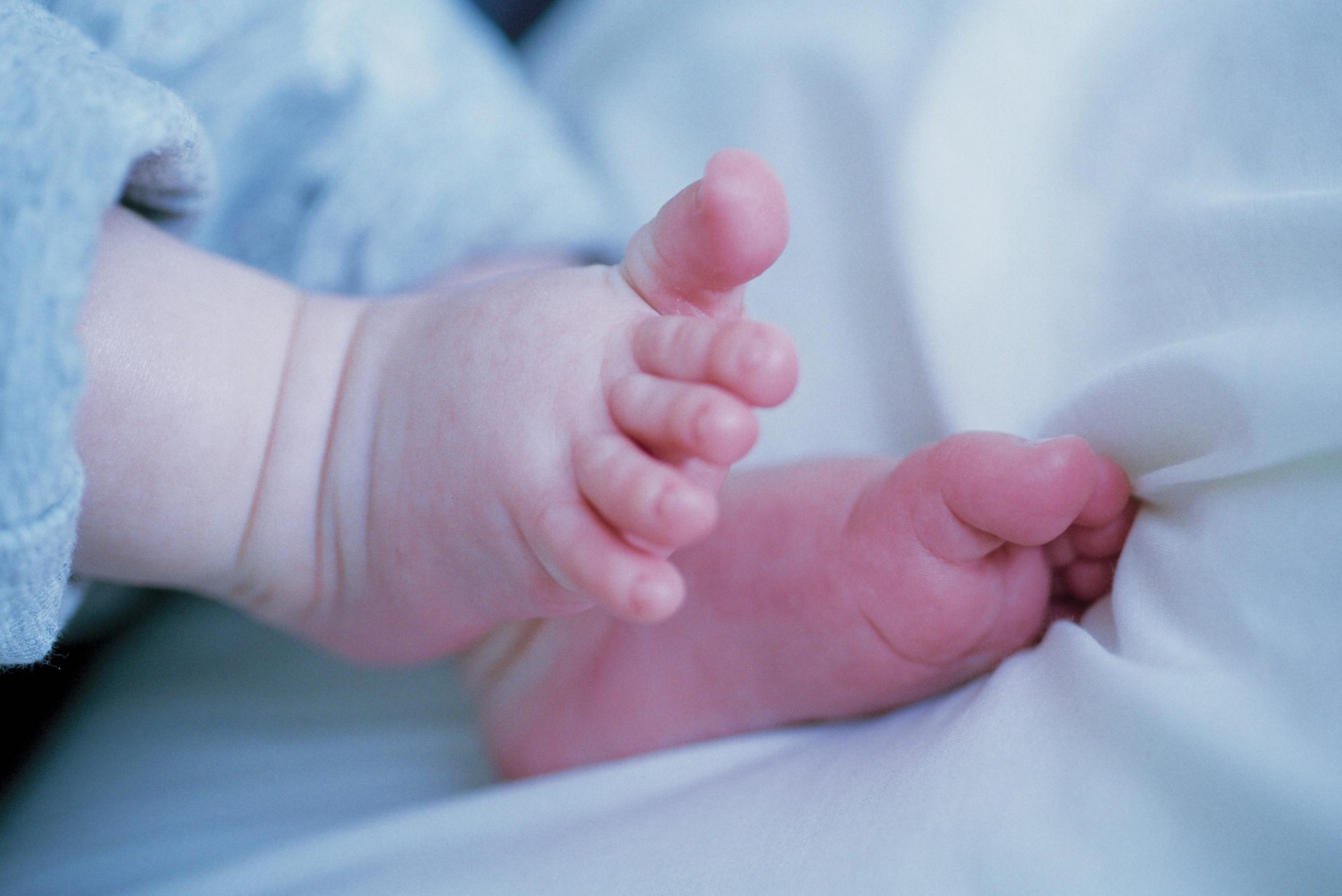
In figures published on Wednesday, the INE said 321,164 babies were born last year- 3,159 more than in 2024.
The total comes from registrations in the computerised civil registries and the final confirmed figure may show a slight change.
READ MORE:
- Spain’s birth rate has plummeted by 25% over the last decade, figures reveal – so why are fewer people having babies?
- Spain’s growing army of only children ‘not lonelier’ despite birth rate crisis, study shows

During the last decade, the birth rate has been falling steadily with a cumulative reduction of 23.5% between 2015 and 2025.
Deaths have increased by 2.5%, so the net total is on the negative side.
The downward trend in newborn numbers comes with a delay in the age of motherhood.
In 2015, 7.8% of births were to mothers aged 40 or over, but last year that age category went up to 10.4%.
Broken down by regions, the largest increases in births last year were registered in the Madrid (3.3%) and the Basque Country (3.0%).
The biggest falls were in the North African enclaves of Melilla (-10.1%) and Ceuta (-6.6%), plus the Balearic Islands (-2.6%).
A rise in the birth rate compared to 2024 was anticipated but the INE data does confirm the dramatic downward trend over 12 years.
In 2014, 427,595 babies were born, while 318,005 babies were born in 2024- a year with the fewest-ever registered births in Spain.
Despite the fall in birth rate, Spain’s population has continued to increase.
Last year, there were over 49.5 million inhabitants, of which over 20% were born abroad.
Click here to read more Health News from The Olive Press.