
TODAY marks a poignant anniversary for two vastly different young Spanish women whose legacies have echoed through the centuries.
One was a tragic princess immortalised in paint, while the other was a fierce, cannon-firing rebel who stopped a French invasion in its tracks.
The story of the first heroine, Infanta Margarita, is inextricably linked to two of the greatest artists in history.
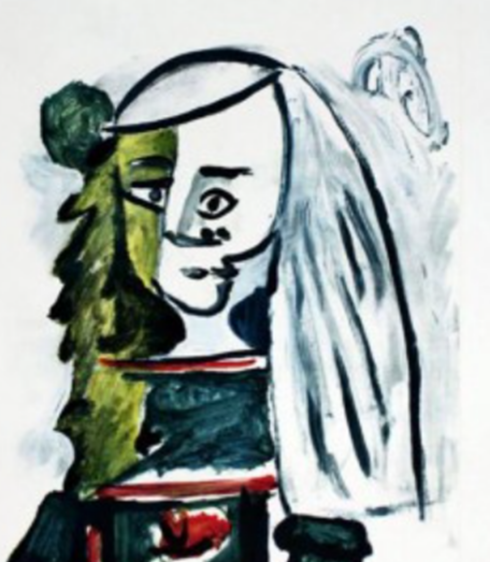
On this day March 4, in 1968, an 87-year-old Pablo Picasso donated a complete set of 58 paintings to the city of Barcelona.
Despite being born in Malaga and living in French exile, the 20th-century master considered himself a ‘spiritual citizen’ of the Catalan capital.
This monumental collection is the only full set of Picassos held by any museum in the world, consisting of his ‘studies’ based on Diego Velazquez’s 1656 masterpiece.
That original canvas, ‘Las Meninas’, depicted the children of the royal household and featured a five-year-old Margarita as its central star.
Yet behind the glamorous portrait of the young heiress to the Spanish throne lay a grim reality.
Margarita was a victim of her era, living in a time when women were treated as little more than political pawns.
To strengthen Spain’s alliance with Austria, she was packed off to Vienna as a teenager to marry a prince she had never met.
Her sole royal duty was to produce a male heir.
Tragically, after enduring seven pregnancies in just five years, the exhausted young woman died at the age of 21.
Picasso’s 1957 reimagining of Margarita freed her from the strict royal representation, depicting the doomed girl in a dizzying variety of styles that can still be seen in Barcelona today.
If Margarita represents a quiet, suffering stoicism, the second woman remembered on March 4 represents explosive, bloody defiance.
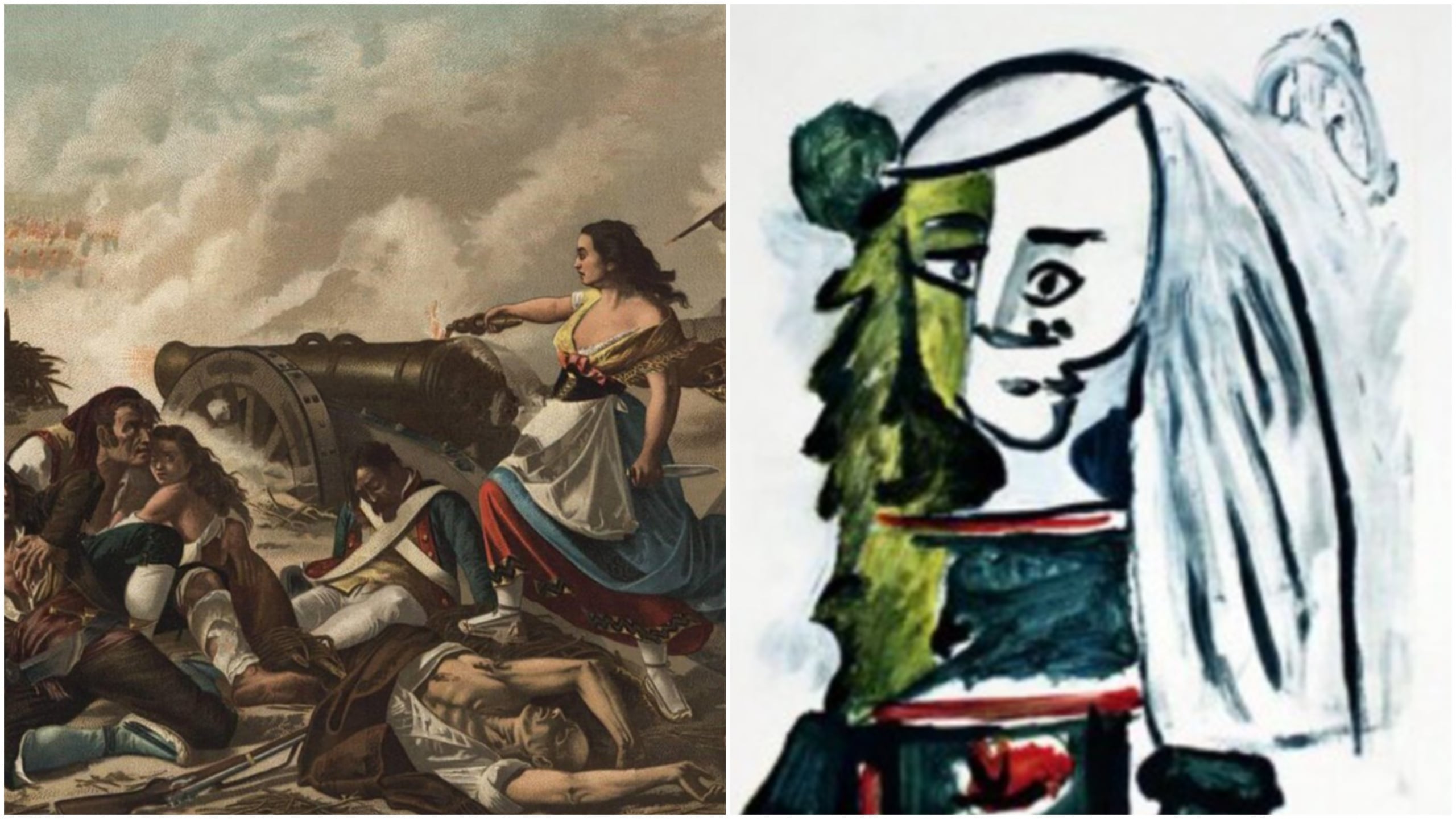
Agustina Domenech was born on this exact date in 1786.
By the time she turned 22, her peaceful hometown of Zaragoza was facing a brutal assault from Napoleon’s armies.
The French emperor used a devastating tactic of menacing the countryside to drive terrified refugees into the nearest city, overwhelming its resources and breaking down its defences.
Zaragoza had been peaceful for five centuries and its tiny military garrison was buckling under the sudden influx of fleeing locals.
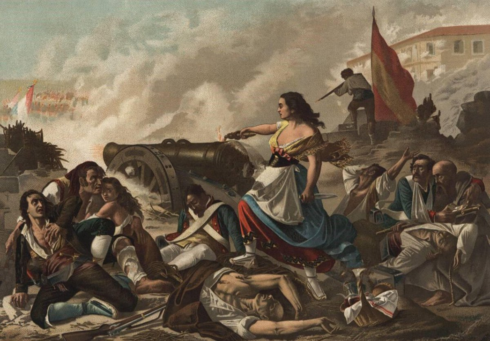
At one of the city gates, the thin line of Spanish defenders finally collapsed and French troops began to pour through.
This was Agustina’s defining moment on the world stage.
She had originally come into town carrying a simple basket of apples, hoping to boost the morale of the weary Spanish soldiers with some fruit and a few kind words.
Suddenly finding herself entirely alone as the French frontline advanced towards her, she dropped her apples and took decisive action.
Agustina loaded an abandoned cannon with grapeshot, a lethal mixture of rusty nails and scrap metal designed to tear through enemy ranks at hundreds of kilometres an hour.
She lit the fuse and the resulting blast completely destroyed the French vanguard, forcing Napoleon’s forces to call off their immediate assault on the city.
The fearless young woman survived the brutal siege and went on to live a remarkably long life, eventually dying in Ceuta in her seventies.
She remained a famously colourful and flawed character to the end, marrying and then abandoning a soldier while proudly wearing her military medals whenever she went out in public.
She was no saint, but this ordinary young woman armed with nothing but a basket of apples and raw courage successfully halted the world’s most feared army.
Click here to read more La Cultura News from The Olive Press.