


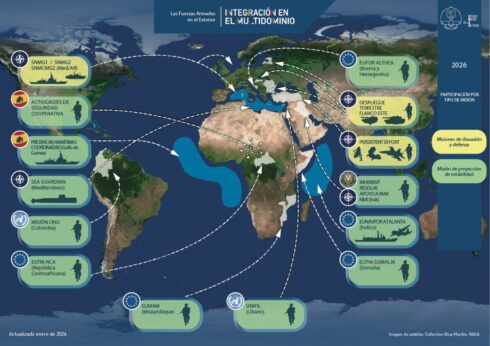
FROM Mozambique to Slovakia via Colombia, Spain maintains a robust global footprint, with roughly 4,000 military personnel deployed overseas until the end of the year.
The figures may come as a surprise following Spanish Prime Minister Pedro Sanchez’s firm stance against Trump’s war against Iran.
Calls have grown for Spain and other European countries to join the fray – but Sanchez has instead taken the opposite tack, explicitly forbidding the United States from using military bases in Andalucia.
It has even prompted Donald Trump to brand Spain a ‘loser’ and an unreliable ally.
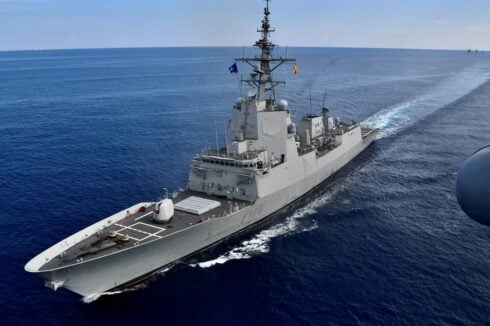
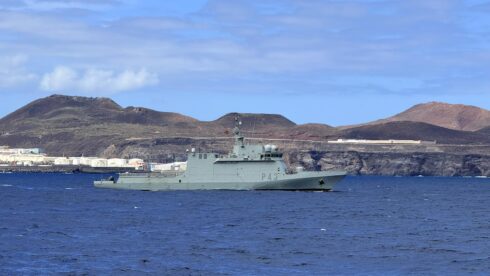
Despite Sanchez’s dramatic ‘no to war’, the first chink in his anti-war stance may have appeared after Spain decided to deploy the advanced frigate Cristobal Colon to Cyprus following Iranian drone strikes on the EU member.
The warship was sent to reinforce air defences after a drone struck the Royal Air Force (RAF) base at Akrotiri.
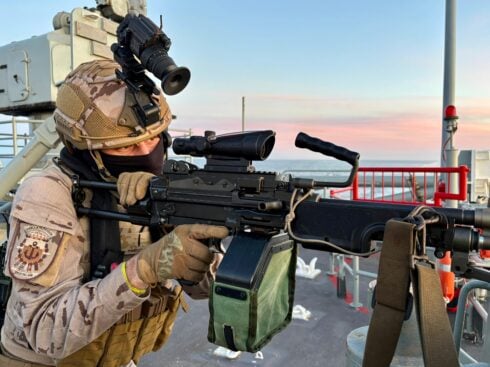
Meanwhile, Spanish forces have already played an active role in the crisis, with a Patriot missile battery operating in Turkey recently supplying critical data to US forces.
This intelligence sharing enabled the Americans to successfully shoot down an Iranian ballistic missile.
In fact Spain is far from a shrinking military violet. The country boasts around 120,000 active personnel across its armed forces.
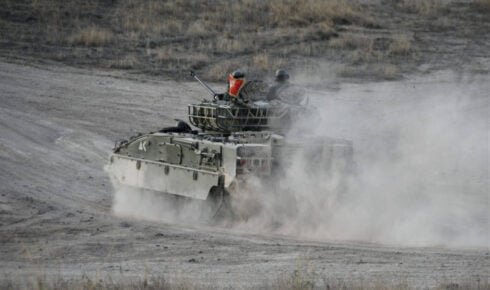
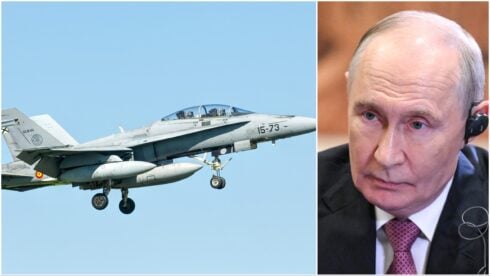
The Spanish army operates over 300 tanks, while the Ejercito del Aire can call on roughly 136 combat aircraft.
The Armada commands nearly 80 vessels, spearheaded by the Juan Carlos I aircraft carrier.
Wider regional instability in the Middle East is deeply concerning for Spain’s largest and most volatile deployment, which is part of the United Nations Interim Force in Lebanon (UNIFIL).
Nearly 700 troops stationed at the Miguel de Cervantes base are caught in the crossfire, patrolling the Blue Line border with Israel as their mandate counts down to its expiration at the end of 2026.
Back home in Andalucia, the fallout from the Iran dispute has seen US aircraft depart the Rota and Moron bases.
READ MORE: EU leaders close ranks around Spain after Trump’s furious threat to cut trade over Iran tensions
However, Rota remains a crucial nerve centre for global security, as it directly commands the European Union’s Operation Atalanta anti-piracy mission off the Horn of Africa.
Further north, Spain continues to hold the line on the eastern flank of the North Atlantic Treaty Organisation (NATO) to deter Russian aggression.
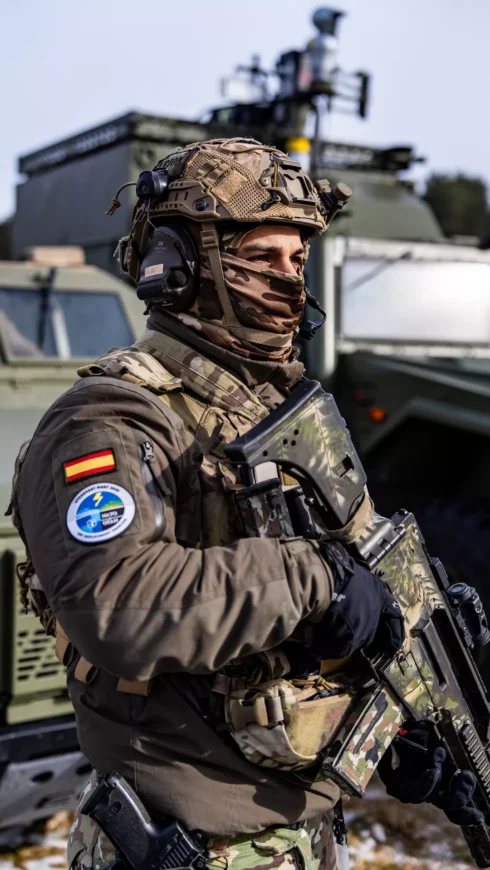
A significant presence of Leopard tanks is stationed at the Adazi base in Latvia, alongside new deployments in Slovakia and Romania.
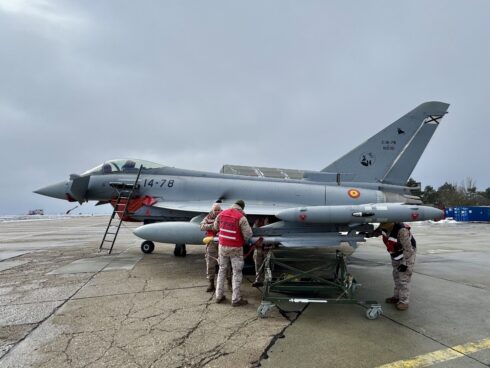
Spanish fighter jets also continue to carry out routine air policing missions over the Baltics.
Further afield, Spanish trainers are working to build local army capacity in Mozambique, Somalia, and the Central African Republic.
Meanwhile, a contingent of military observers remains in Colombia to oversee the fragile peace process.
Looking ahead, Madrid has signalled it remains steadfast in its European commitments despite the turbulence in the Middle East.
Spain is scheduled to expand its presence in Slovakia later this year, taking a leading command role in the new multinational NATO battlegroup.
Further rotations of Eurofighter jets are also locked in to continue the vital Baltic air policing mission over the coming months.
READ MORE: WATCH: Trump threatens to ‘fly in and use’ air bases in Andalucia to bomb Iran despite Spain veto
Yet, the elephant in the room remains the unpredictable fallout from Trump’s war with Iran.
Despite prime minister Pedro Sanchez’s staunch resistance to US pressure, there is a growing consensus in Madrid that the cascading consequences of the conflict may eventually force Spain’s hand.
Military planners are already quietly preparing for unintended but necessary deployments to the region if the situation deteriorates further.
@Armada_esp
This could involve dispatching emergency extraction forces to rescue Spanish nationals trapped in the crossfire.
Additional naval assets may also need to be hurriedly deployed to secure vital energy shipping lanes disrupted by the wider conflict.
Most concerning of all is the potential need for a rapid reaction force to reinforce the 700 troops currently exposed in Lebanon, should the UNIFIL mandate collapse or pivot to active peacemaking.
Click here to read more International Affairs News from The Olive Press.




Based on your reporting, it appears that Sanchez is holding Spain to its international commitments for peacekeeping and regional security. He’s not offering up Spain’s citizens and resources to prolong an unprovoked attack that breaches the code of every international statute and every fibre of human decency. And thank you for your coverage; it was interesting and comforting to know that Spain has the capacity to protect itself.