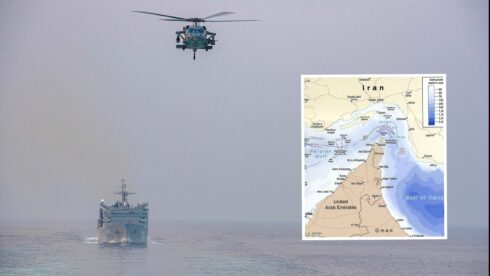


SPAIN is bracing for a severe economic shock as the escalating crisis in the Middle East effectively shuts down the Strait of Hormuz.
The critical 34-kilometre-wide maritime chokepoint between Iran and Oman has been paralysed by military conflict and drone strikes on commercial vessels.
This deadly escalation has completely halted ship traffic, with the Joint Maritime Information Center confirming that only two commercial vessels and zero oil tankers have passed through the strait in the last 48 hours.
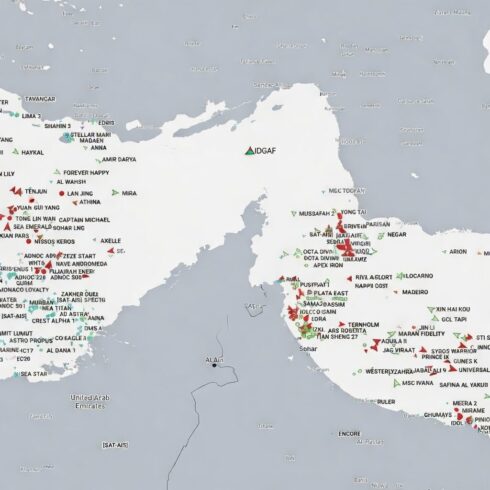
A UAE-flagged tug, the Mussafah 2, was struck by two missiles about 33 kilometres off Khasab this week, with all eight crew members a killed.

The small vessel was attempting to assist the abandoned container ship Safeen Prestige, which has been adrift in the Strait of Hormuz since March 4 after being struck above the waterline.
Normally, about 20% of all global oil passes through this key energy artery, equating to a loss of up to 20 million barrels per day.
Experts are now warning that this paralysis, if prolonged, is expected to produce a 1970s-style oil shock, potentially sending prices soaring to $150 per barrel.
This severs critical trade corridors and threatens severe shortages of fresh produce, meat and dairy in regions that rely heavily on near-daily imports.
Faced with this looming global economic tsunami and the threat of crippling inflation, Spain’s labour minister Yolanda Diaz has proposed reviving measures last seen during the Covid crisis.

She has convened an urgent crisis meeting with major trade unions and employer associations to draw up preventative measures and shield the economy.
The government is now actively dusting off its pandemic emergency playbook, preparing a raft of drastic interventions.
These include the return of ERTE furlough schemes and legally banning redundancies for companies that receive state financial aid.
ERTEs (Expedientes de Regulacion Temporal de Empleo), are temporary schemes that allow companies to suspend contracts or reduce working hours while the state steps in to pay a portion of wages.
Widespread remote working is also firmly on the table as a priority option to combat potential petrol shortages and supply chain disruptions.
The most crucial proposals involve expanding the electric social bonus and introducing strict energy price controls to stop utility bills from ruining households.
Despite the severe nature of the blueprints, Diaz has urged the public to remain calm while the government finalises its diagnostic phase.
“Absolute calm and tranquility,” the minister said following the meeting on Thursday.
“We have experience and we are going to do it again if necessary.”
The major workers’ unions, the CCOO (Workers’ Commissions) and UGT (General Union of Workers), are backing the state intervention to protect jobs.
However, union leaders have demanded that Prime Minister Pedro Sanchez personally step up to lead a broader crisis committee.
They also insisted on a strict report detailing the fiscal impact of the aid, arguing that it is unacceptable to use public money to bail out companies who then complain about paying taxes.
The crisis is being compounded by global insurance companies cancelling coverage for commercial tonnage across the Persian Gulf, the Gulf of Oman and all Iranian territorial waters due to the military risks.
Fuel flows from the Strait of Ormuz have already plummeted by 90%, triggering an energy crisis in Asia where bunker fuel prices in Singapore have spiked by more than 40%.
Data from Kpler also highlights that major Gulf supply chains and container hubs, such as Dubai’s Jebel Ali, are completely blocked.
Click here to read more International Affairs News from The Olive Press.